
NBA
OPINION: Beasley’s Planned Guilty Plea Demands Answers From Adam Silver
Malik Beasley plans a December 9 guilty plea, his lawyer says. The NBA’s new integrity agreements deserve scrutiny alongside the federal case.
Malik Beasley plans to plead guilty on December 9 in his federal betting case, his attorney Steve Haney told ESPN and The Athletic on Tuesday, according to Reuters’ report. That is the latest development as of October 27. The plea hearing is still ahead.
For NBA commissioner Adam Silver, the case demands a public explanation of how the league investigates threats to competition. Fans deserve to know what its safeguards can detect, where they fall short and who is responsible when an alert requires action. A statement that integrity matters cannot answer those questions by itself.
Where the Beasley case stands
The Justice Department announced the indictment on June 29. Prosecutors accused Beasley and five other defendants of participating in a scheme involving manipulated performances and wagers on his statistics while he played for Milwaukee. The charges included sports bribery, wire fraud conspiracy, honest services wire fraud conspiracy and money laundering conspiracy. Prosecutors alleged that bribes sometimes took the form of reducing or paying off gambling debts Beasley owed former teammate Ed Davis.
Those are the government’s allegations. Beasley initially pleaded not guilty. ABC News reported on October 24 that a court notice referred a change of plea to a federal magistrate, but did not identify which charge or charges Beasley would admit. The sources reviewed for this column do not establish a final sentence or the full terms of a plea agreement.
A plan to plead guilty is a significant change in the case, but reporting must describe the stage reached. The FBI investigates; a court accepts a plea or enters a judgment. Calling the announcement an FBI guilty verdict would misstate both the institution’s role and the timing. The allegations against other defendants must also be assessed separately.
What the earlier clearance reports actually meant
The history needs the same care. In August 2025, Beasley’s lawyers said he was no longer a target of the federal investigation. Front Office Sports subsequently reported that he remained a subject and could still face charges. Its report also described an NBA investigation into possible violations of league rules. A change in federal investigators’ description of someone was never a guarantee against a later indictment.
After the June 2026 indictment, NBA spokesman Mike Bass told Front Office Sports that the league was reviewing it and would continue investigating and cooperating with authorities. Those statements do not establish that the NBA exonerated Beasley of the performance-manipulation allegations. Any claim that Silver cleared this specific conduct needs evidence of the finding, its scope and its date.
That distinction strengthens the criticism worth making. Silver should explain the league’s own process rather than leave fans to reconstruct it from lawyers’ statements, criminal filings and fragments of public comment. Publishing a careful chronology would help people understand what was known at each stage without confusing an unresolved investigation with a clean bill of health.
The new protections need a public test
The NBA has announced concrete steps this week. On October 26, the Commodity Futures Trading Commission confirmed an information-sharing agreement with the league intended to protect basketball’s integrity in prediction markets. The agency said the arrangement would support regular communication about integrity and fair, transparent markets.
The Associated Press reported that the NBA also made Kalshi and Polymarket preferred prediction-market exchanges. The league described restrictions on available markets, obligations to share suspicious-trading information and a ban on league and team personnel trading on NBA events. The agreements also provide commercial benefits, including NBA branding and access to statistical data. The league’s stated argument is that regulated relationships create visibility and give it influence over which markets are offered.
Those measures deserve to be judged on results. Announcing a reporting channel says little about how quickly a warning reaches someone empowered to act. A restriction also needs a clear enforcement process. Fans should be able to understand whether a troubling pattern produces an investigation, a suspended market, a disciplinary referral or no action, and why.
Silver should publish an account of the Beasley review when doing so will not prejudice the court proceedings. It should identify when the league received relevant alerts, what categories of evidence it examined and how its inquiry related to the federal investigation. It should also explain the limits of any earlier review. Protecting witnesses and confidential evidence does not require keeping the entire decision process opaque.
The commercial side needs scrutiny too. The league should disclose how integrity staff can recommend restrictions that may reduce a partner’s business, who approves those decisions and how disagreements are resolved. An independent assessment of whether the promised controls work would be more persuasive than another assurance from the organizations selling the relationship.
None of this establishes that Silver knew about an alleged scheme or concealed evidence. The record reviewed here does not support either accusation. It supports demanding a fuller account of the NBA’s safeguards and its response. Due process for a player and accountability for a commissioner can both be maintained.
Beasley’s reported plea plan will be tested in court. Silver’s responsibility is to show fans how the league intends to protect the basketball they watch, with evidence they can assess. The NBA has announced new tools. It now needs to demonstrate what those tools accomplish.
Related coverage: TSP’s earlier column on Silver’s handling of the Clippers.
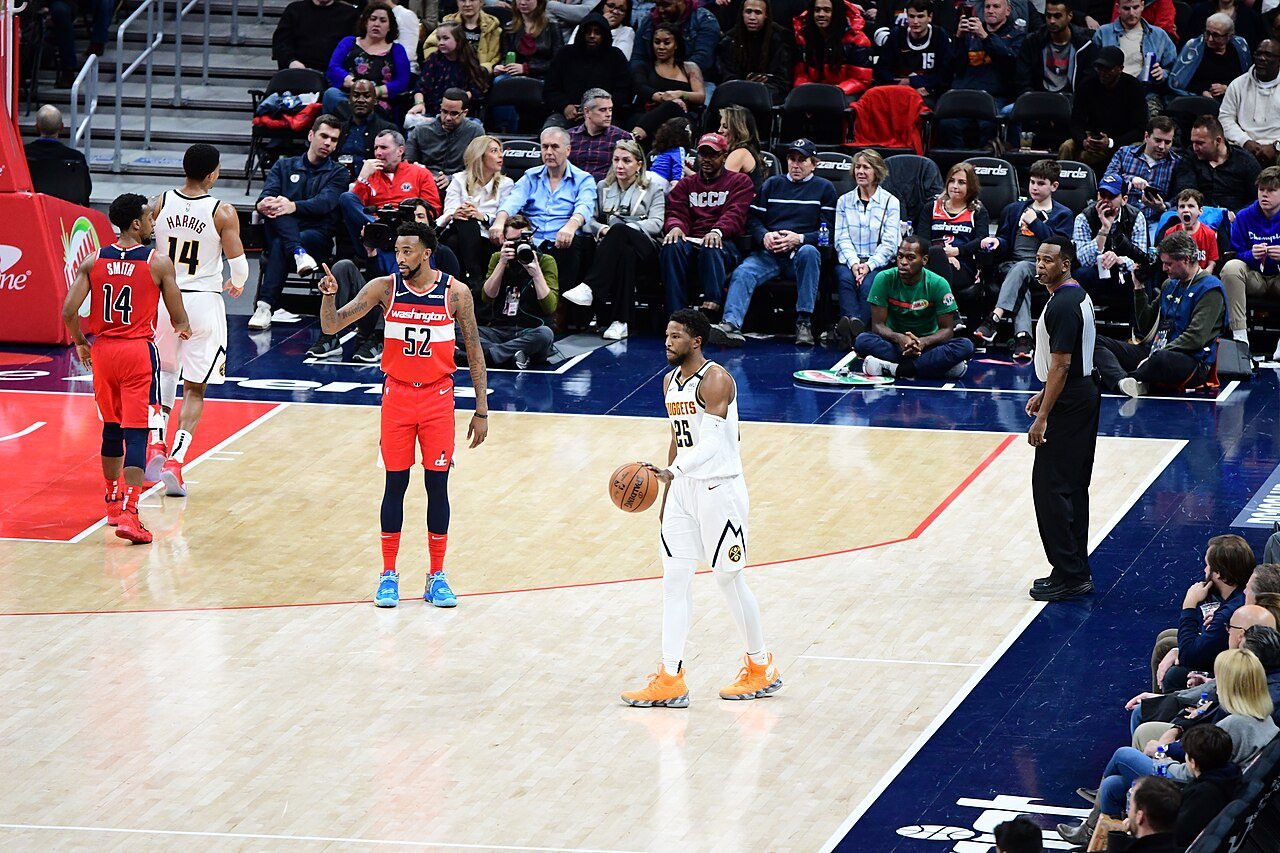
Image attribution: All-Pro Reels via Wikimedia Commons, CC BY-SA 2.0. Archival January 2020 photograph, reproduced without cropping or added text.
Sources and notes
- Reuters / Field Level Media, October 27, 2026: https://www.reuters.com/sports/reports-malik-beasley-plead-guilty-federal-betting-case--flm-2026-10-27/
- U.S. Attorney’s Office, EDNY, June 29, 2026: https://www.justice.gov/usao-edny/pr/former-national-basketball-association-players-current-player-agent-and-three-other
- ABC News, October 24, 2026: https://abcnews.com/US/former-nba-player-malik-beasley-plead-guilty-federal/story?id=137540820
- Front Office Sports, August 22, updated August 26, 2025: https://frontofficesports.com/article/malik-beasley-nba-betting-investigation/
- Front Office Sports, June 29, 2026, including NBA response: https://frontofficesports.com/article/malik-beasley-ed-davis-nba-federal-gambling-probe-rozier-billups/
- CFTC, October 26, 2026: https://www.cftc.gov/PressRoom/PressReleases/9314-26
- Associated Press, October 26, 2026: https://apnews.com/article/nba-prediction-markets-2f3d8132125501d6859bcd819c4c78fa