
 Business
Scores

Colleges that average at least $50 million a year in media rights revenue would have to pay their athletics bills without using student fees under a revision to the Protect College Sports Act released Friday by the House Rules Committee.
The restriction would cover payments across the athletics budget, down to the “salaries of coaches and support staff,” according to the House text. The bill lists facilities, operating costs, scholarships, and payments to athletes. Schools that cross the threshold could still spend money on those items, but they would have to find it elsewhere.
The calculation would use media rights revenue the school reported for the second and third preceding academic years. Crossing the threshold in that calculation would trigger the restriction for the following academic year. A lucrative television deal announced this fall would therefore take time to show up in the test.
The distinction matters for students trying to work out whether the proposed ban would apply on their campus. Ticket revenue, donations and the rest of an athletic department’s income could take its budget well above $50 million. Only its share of media rights revenue would count toward this particular threshold.
The provision is one of several changes House members are considering to a broader bill on college sports. The Senate passed its version Sept. 28 by a 77-22 vote. The House draft would also allow conferences to grow to 22 teams, two more than under the Senate version, The Associated Press reported.
House members have until noon ET Wednesday, Nov. 25, to submit proposed amendments. The Rules Committee said it could meet the week of Nov. 30 to consider sending the bill to the floor. Those dates concern congressional action. The fee restriction would take effect only if Congress passes legislation containing it and it becomes law.
Related: College athletics finances and proposed coaching buyout limits.
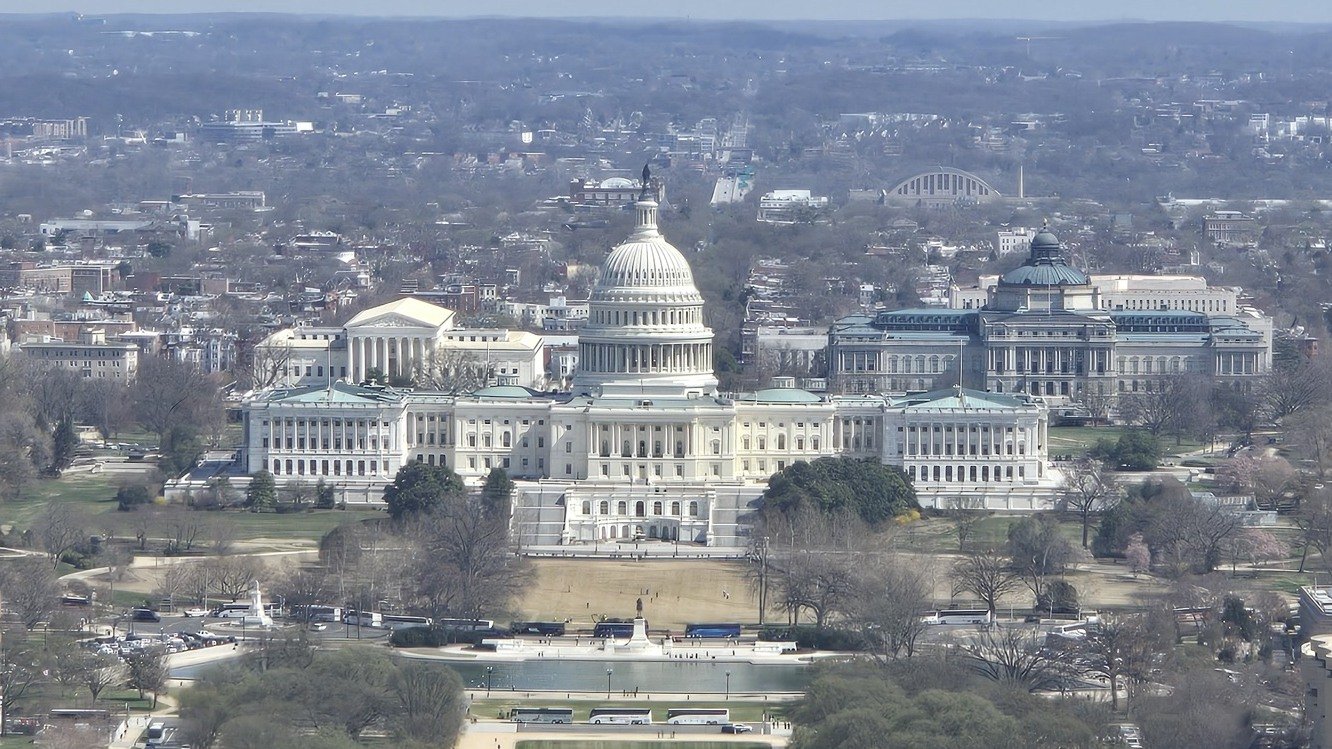
Photo: PatrykTBrown via Wikimedia Commons · CC0 1.0. Cropped to frame the Capitol and resized.
