The best waiver pickups are often made before Sunday exposes the role. TSP separates immediate help from injury stashes, with FAAB ranges, league fits and the exact Week 1 trigger that could change each player's value.
About this board: These are TSP’s September 8 pre-Week 1 recommendations, using September 7 Yahoo roster percentages. The player advice and FAAB ranges below have not been refreshed for later injury reports or game usage. For newer injury and lineup coverage, read Fantasy Pulse.
The best waiver move of Week 1 may happen before anyone has a Week 1 box score to chase.
That is what makes this first waiver period different from the rest of the season. There are no regular-season snap shares yet. There are no new target rates, goal-line distributions or route-participation numbers. The job is to identify players whose value can rise once those things become visible.
This is not a list of every interesting free agent. It is a price-sensitive board.
TSP checked the current market against official team rosters, depth charts, transactions, injury information and coaching comments. Yahoo roster percentages below are a snapshot from September 7 and can move quickly. The FAAB ranges assume a $100 season-long budget.
The guiding rule is simple: before Week 1, pay for a believable path to work. Do not pay as if the breakout already happened.
That distinction matters because the market is already moving. Yahoo's current Week 1 list has Denver rookie Jonah Coleman first overall, while Tyler Allgeier, Terrance Ferguson, Ja'Kobi Lane and Keenan Allen also sit near the top. TSP agrees that all five matter, but not in the same way. Some can help immediately. Some are one injury away. One has a market price that is already getting ahead of the verified depth chart.
There is also a timing advantage this week. New England and Seattle play Wednesday. San Francisco and the Rams play Thursday. If your platform allows bench players from early games to be dropped after they play, those games can provide extra information before the main Sunday slate. If your league locks players at kickoff, the window closes faster.
This board is built for 12-team PPR leagues first, with notes where Superflex, shallow or deeper formats change the answer.
TSP Quick Answers
Best blend of availability, verified offensive role and upside.
The veteran has a real PPR floor if Indianapolis gives him the expected underneath work.
Houston's 2025 receptions leader is still available in more Yahoo leagues than he should be.
Useful, but the bid must reflect Jeremiyah Love's improving Week 1 outlook.
Kansas City's current depth chart places him directly behind Kenneth Walker.
Miami's starter has rushing upside that matters far more in two-QB formats.
Before Week 1, Protect the FAAB Budget
This is the easiest week of the season to spend money on an idea.
A backup can look like a league winner in September because there is no regular-season usage to challenge the projection. Then the first game arrives and he plays nine snaps. That is why most of the recommendations in this guide stay below five percent of a $100 budget.
The exception is new information.
If Arizona rules Jeremiyah Love out and Tyler Allgeier becomes the clear Week 1 lead, Allgeier's price changes. If a starter is unexpectedly placed on injured reserve, the backup behind him becomes a different asset. If a rookie opens the season playing every passing down, the market will correct quickly.
Until that happens, keep the bids controlled.
TSP's pre-Week 1 rule: spend enough to secure a useful role, not enough to pretend the role is guaranteed.
ADD NOW
Why now
Lane is the best combination of price and verified opportunity on this board. Baltimore entered camp with a clear question at No. 3 receiver. By final cuts, the Ravens' own roster analysis said Lane's emergence had answered it and projected him for a substantial offensive role.
The rookie also gives Baltimore something its other primary receivers do not. At 6-foot-4 with a 40-inch vertical and a large catch radius, Lane is a natural outside and red-zone target. The Ravens drafted him in the third round, then watched him earn the role rather than simply hand it to him.
Zay Flowers and Rashod Bateman remain ahead of him. Mark Andrews will command targets. Lane does not need to lead Baltimore in receptions to become fantasy relevant, though. He needs enough routes to make his size and scoring-area role matter.
The trigger
If Lane plays as Baltimore's clear third receiver and stays on the field in three-wide sets, his price rises immediately. A red-zone target would accelerate it.
The risk
Baltimore can still funnel volume through Flowers, Bateman, Andrews and the running game. A substantial real-life role does not guarantee six or seven fantasy targets every week.
Drop line
Yes for a WR6 or WR7 who is buried on his own depth chart. No for a young receiver who already owns a full-time starting role.
ADD NOW
Why now
Allen is the opposite kind of waiver target. There is very little mystery about whether he can earn targets.
Indianapolis signed him on August 19, reuniting him with Shane Steichen. Allen caught 81 passes for 777 yards and four touchdowns with the Chargers last season, and Steichen described him as the most cerebral receiver he has coached.
The question is not talent. It is target concentration. The Colts also have Alec Pierce, Josh Downs and tight end Tyler Warren. Pierce was removed from the active/PUP list on August 27, so managers should not assume Allen is walking into an uncontested No. 1 role.
What Allen offers is immediate usability. He understands spacing, leverage and option routes, and Steichen already knows how to deploy him. That can produce PPR value before the rest of the room settles.
The trigger
If Allen is on the field for most third downs and two-minute work, or quickly becomes Daniel Jones' preferred chain-moving target, he moves from bench depth to weekly flex territory.
The risk
The Colts have several legitimate pass catchers, and Allen is entering his age-34 season. The ceiling is lower if Indianapolis spreads targets evenly.
Drop line
Yes for a low-upside reserve receiver who needs an injury to become relevant. In shallow PPR leagues, Allen can also replace a second quarterback you do not need.
ADD NOW
Why now
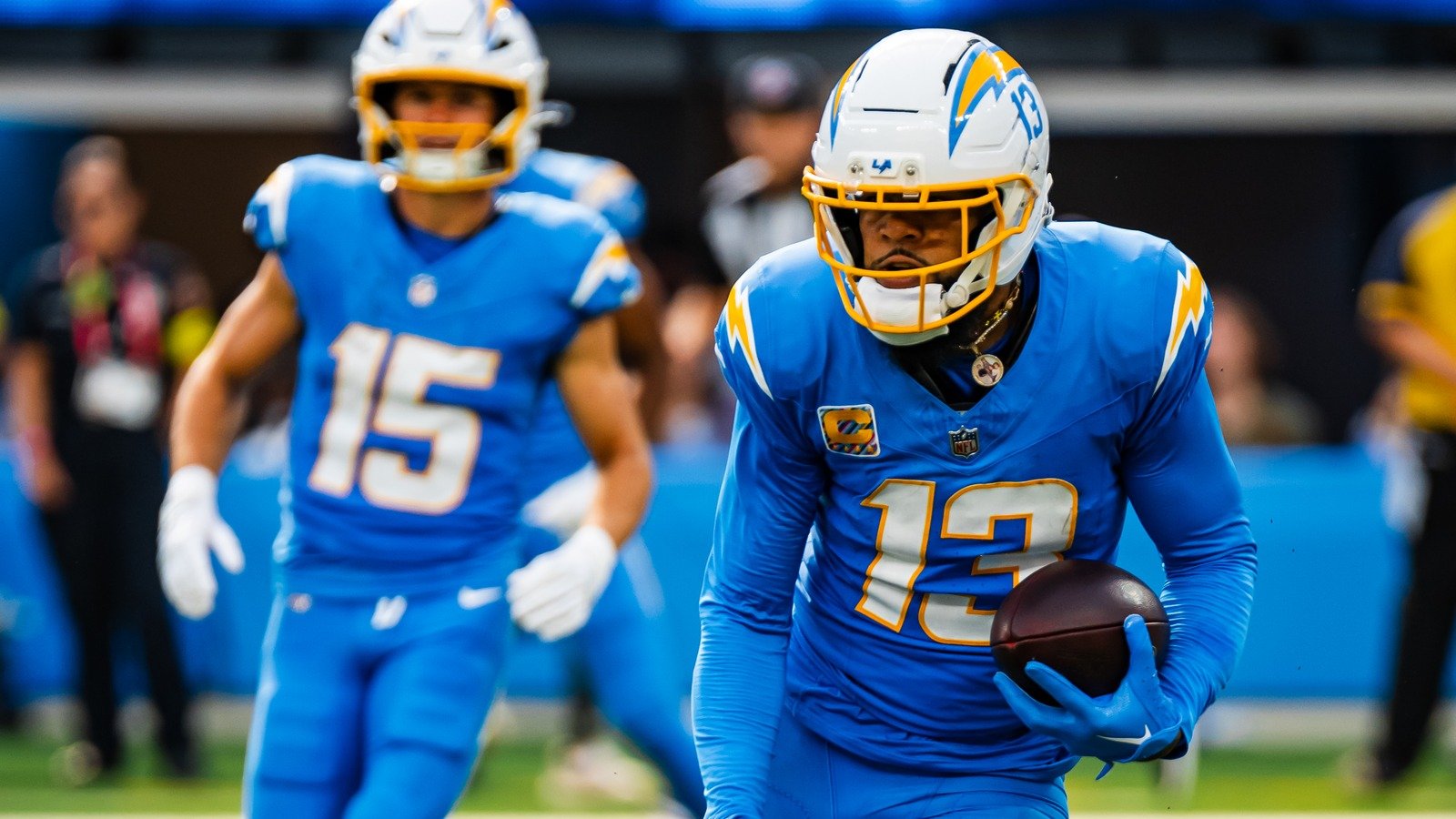
Schultz is available in just enough leagues to matter, and the case is unusually straightforward.
He led Houston with 82 receptions last season and finished with 777 receiving yards and three touchdowns. Nico Collins remained the Texans' big-play receiving leader, but Schultz was the most frequent catcher of the football.
Houston's receiving room has also changed around him. Jayden Higgins was placed on injured reserve on August 21. Four days later, the Texans acquired Kayshon Boutte from New England. Tank Dell was placed on injured reserve with a designation to return.
None of that guarantees a target spike for Schultz. It does reinforce that his established relationship with C.J. Stroud has value while the wide receiver rotation is being reshaped.
The trigger
If Schultz again runs routes on the majority of Stroud's dropbacks and opens with five-plus targets, he becomes difficult to leave on waivers in a position with limited weekly certainty.
The risk
Houston can create touches for Collins, Boutte, Jaylin Noel, Woody Marks and others. Schultz's touchdown total has also been modest.
Drop line
Yes for a second tight end with no clear route to a starting job. Do not carry three tight ends to make this move.
CONDITIONAL ADD
Why now
Allgeier is the player whose price can change fastest before Sunday.
Arizona's official reporting has consistently called Jeremiyah Love's injury an ankle injury. When head coach Mike LaFleur was specifically asked in August whether it was a high ankle sprain, he declined to classify it that way. That distinction matters because outside reports have used stronger language than the team itself.
The latest news is more encouraging for Love. LaFleur said Monday that Love was moving around during the walkthrough and said he felt good when asked about the rookie's chances of playing Week 1. Arizona's first official injury report is due Wednesday.
Allgeier still matters even if Love plays. The Cardinals have used him with the first unit, and the staff has spoken positively about his toughness and reliability. His strongest short-term value, though, comes if Love is unavailable or obviously limited.
The trigger
Wednesday's practice report is the trigger. A Love DNP or limited designation keeps Allgeier's Week 1 path alive. A full practice sharply reduces the urgency.
The risk
Paying five percent today for a workload that may disappear by Wednesday is bad process. Love was the No. 3 overall pick and Arizona expects him to become the centerpiece.
Drop line
Yes for a buried running back with no receiving or injury-away path. No for an established No. 2 back in a high-value offense.
STASH
Why now
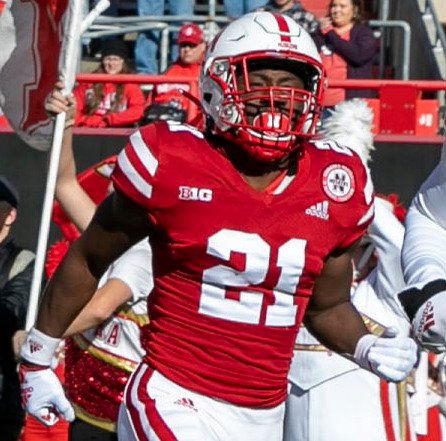
Johnson is the kind of stash that makes sense before a game exposes the depth chart.
Kansas City's current depth chart lists Kenneth Walker first, followed by Johnson, Brashard Smith and Jaydn Ott. That direct placement matters more than vague offseason buzz.
Johnson also brings a college profile suited to more than emergency carries. At Nebraska in 2025, he rushed for 1,451 yards and 12 touchdowns while catching 46 passes for 370 yards and three more scores. He led the nation in scrimmage yards per game and proved he could handle both volume and receiving work.
Walker is the starter. Johnson is not a Week 1 lineup recommendation. The reason to add him now is that a clear No. 2 role in Kansas City can become expensive the moment an injury or usage shift creates a path to more touches.
The trigger
Watch whether Johnson, not another Chiefs back, handles the snaps when Walker leaves the field. Passing-down and two-minute work would be especially valuable.
The risk
Kansas City can rotate backs, and depth-chart order does not guarantee a handcuff inherits the entire job.
Drop line
Yes for a fourth-string running back with no defined role. Johnson is exactly the type of bench asset that should replace dead-end depth.
STASH
Why now
Black's value is almost entirely structural, which is exactly why he belongs on a pre-Week 1 list.
San Francisco's depth chart, updated September 4, lists Christian McCaffrey first, Black second and Jordan James third. There is no need to invent a role beyond that. He is currently the next back on the depth chart behind one of fantasy football's most valuable players.
The 49ers play Thursday against the Rams in Melbourne. That gives managers an early look at whether Black actually functions as McCaffrey's primary relief option or whether the game plan distributes work differently.
There may be little standalone value when McCaffrey is healthy. The appeal is leverage.
The trigger
If Black is clearly the second back into the game and handles meaningful passing-down or red-zone work, his handcuff value becomes much stronger before the Sunday slate.
The risk
He may receive only a handful of snaps when McCaffrey is healthy. This is a contingency stash, not a player to force into Week 1 lineups.
Drop line
Yes for a back who sits third or fourth on his own depth chart without special receiving value.
STASH
Why now
Philadelphia kept only three running backs on its initial 53-man roster: Saquon Barkley, Tank Bigsby and Will Shipley.
That makes Bigsby's path easy to understand. He does not need to take meaningful work from Barkley today to have stash value. He needs to establish himself as the preferred second option.
The Eagles rotated Bigsby frequently with Barkley during first-team training-camp reps, and Philadelphia's own coverage noted a deep, competitive running back room. The regular season will tell us whether those practice rotations translate.
In one of the league's strongest rushing environments, the backup behind Barkley is worth tracking even when the weekly standalone projection is modest.
The trigger
The first meaningful Barkley rest series will tell us a lot. If Bigsby enters before Shipley and handles early-down work, his contingency value rises.
The risk
Shipley can still own a specialized role, and Barkley can dominate touches whenever healthy.
Drop line
Yes for a low-upside RB4 whose only path requires multiple injuries.
STASH, NOT A PRIORITY ADD
Why now
This is where TSP differs most clearly from the current market.
Yahoo ranks Coleman as its No. 1 overall pre-Week 1 pickup. The upside case is legitimate. Denver drafted him in the fourth round, Sean Payton called him a physical runner who can play on third down, and Coleman scored 17 total touchdowns for Washington last season.
The current depth evidence is less aggressive than the market. Denver's August 25 unofficial depth chart listed J.K. Dobbins first and RJ Harvey second. Coleman was behind the established top two at that point. He made the final 53, and the Broncos clearly like him, but we do not yet have regular-season evidence that he would leapfrog Harvey if Dobbins missed time.
That makes Coleman a good stash and a poor player to overpay for before Week 1.
The trigger
If Coleman is the first runner used after Dobbins, or if he handles third-down work despite the crowded room, the hierarchy needs to be rewritten quickly.
The risk
Denver kept Dobbins, Harvey, Coleman and Tyler Badie. There are several ways the backup work can be divided.
Drop line
Yes for a bench player with no realistic path to weekly use. Do not cut a clearer handcuff solely because Coleman ranks highly on another waiver list.
FORMAT-SPECIFIC ADD
Why now
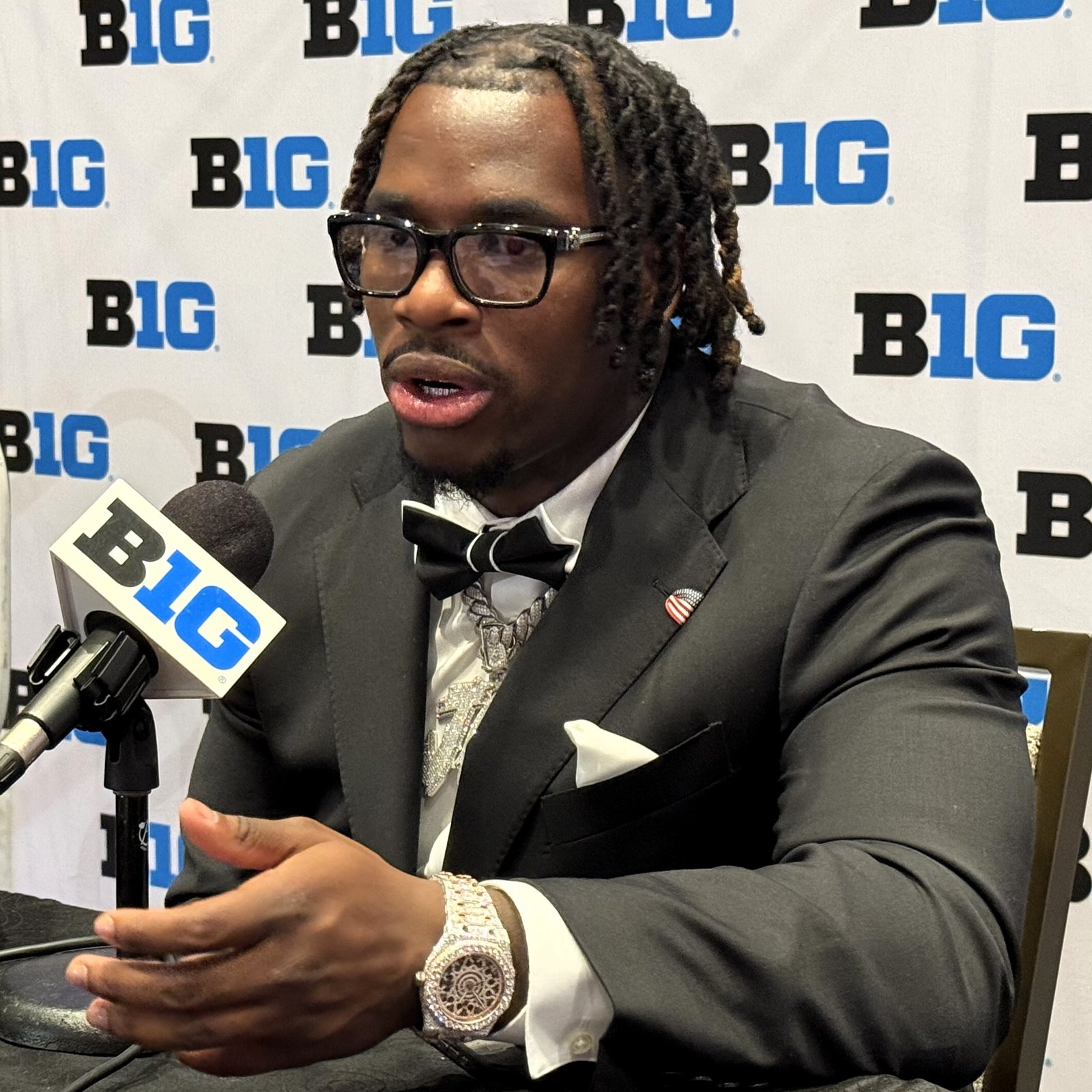
Willis is Miami's quarterback, not merely a speculative backup. The Dolphins kept Willis and Kyle McCord as their two quarterbacks on the initial 53, and Willis was voted one of the team's six captains on September 7.
His fantasy appeal comes from rushing. Across 22 career NFL games before joining Miami, Willis ran 74 times for 405 yards and four touchdowns. In 2025 with Green Bay, he added 123 rushing yards and two scores in four appearances.
That floor changes dramatically by format. In a standard one-quarterback league, there are usually enough viable starters that managers do not need to spend on Willis before seeing Miami's offense. In Superflex, a starting quarterback with rushing ability should not be sitting on many waiver wires.
The trigger
If Miami uses designed quarterback runs or Willis produces meaningful rushing volume in Las Vegas, his one-QB streamer value will rise too.
The risk
The Dolphins' receiving corps is young, and Willis has only six career NFL starts. Rushing can cover some passing volatility, not all of it.
Drop line
In Superflex, yes for a non-starting quarterback or a low-ceiling reserve. In one-QB, do not sacrifice a useful RB or WR bench spot unless quarterback is a real problem.
DEEP PPR STASH
Why now
Cleveland's current depth chart lists Quinshon Judkins first, Dylan Sampson second and Raheim Sanders third.
Sampson's rookie rushing line was modest, but his receiving usage is the reason he remains interesting. He caught 33 passes for 271 yards and two touchdowns in 2025. Cleveland's own offseason preview described the running back room as anchored by Judkins and Sampson after both established roles as rookies.
That makes Sampson different from a pure handcuff. There is at least a plausible passing-game role even when Judkins is healthy, with a larger opportunity available if the backfield changes.
The trigger
Watch third down. If Sampson is consistently the back on the field in passing situations, PPR managers should treat him as more than injury insurance.
The risk
Judkins is the listed starter, and Cleveland can use Raheim Sanders or fullback Michael Burton in specialized situations.
Drop line
Yes in deeper PPR leagues for a receiver who is not running meaningful routes. In shallow leagues, leave Sampson on the watch list until the role is visible.
WATCH
Why now
Ferguson is one of the most interesting players on the waiver wire and one of the easiest to overstate.
The Rams have publicly said the second-year tight end looks more comfortable and poised for a bigger season. That matters. So does the depth chart, which remains crowded.
Los Angeles currently lists Tyler Higbee and Davis Allen together at one tight-end spot, with Colby Parkinson and Ferguson together at another. The Rams also added second-round rookie Max Klare. The initial 53 includes five tight ends.
Ferguson can absolutely emerge. The problem is that fantasy managers do not yet know how the routes will be divided.
The trigger
Thursday's game is the evidence point. If Ferguson runs a meaningful route share and is used as a detached receiver, he can move from watch list to waiver priority before most teams play Sunday.
The risk
A five-man room can produce real football value without producing reliable fantasy volume for any one secondary tight end.
Drop line
Do not cut a starting tight end for Ferguson before Thursday. Use an empty bench spot or make him a watch-list priority.
One TSP Carryover Worth Remembering: Denzel Boston
Boston is not part of the main ranked board because TSP has already been tracking him, but the Week 1 depth chart keeps him relevant.
Cleveland currently lists Jerry Jeudy at one wide receiver spot, Denzel Boston at another and KC Concepcion at the third. That is stronger evidence than the camp speculation that surrounded Boston earlier in the summer.
If Boston is still available in a 12-team league, he belongs on the same watch list as Lane. The difference is offensive environment. Baltimore offers the more attractive quarterback and scoring context. Cleveland offers a clearer listed starting position.
The first thing to check Sunday is routes, not catches.
Who should you actually drop?
A waiver recommendation is incomplete if it never tells you what to give up.
Before Week 1, the easiest cuts are roster spots that cannot reasonably gain value from one football game.
A second defense is usually expendable. So is a second kicker. In a one-quarterback league, a low-upside backup quarterback can be moved if your starter is healthy and the waiver pool is deep.
At running back and receiver, the standard should be harsher. Do not cut a player with a clear starting role simply because a newer name feels exciting. Instead, cut the reserve who is buried behind multiple teammates, lacks passing-game work and would still need more than one thing to go right before he becomes startable.
For the players in this guide, Lane and Allen justify real roster churn. Schultz does too if tight end is weak. Allgeier is worth a move when your bench has dead weight, but his immediate value depends on Love's status. The deeper backs are better substitutes for other speculative bench players than for proven starters.
The point of a pre-Week 1 waiver claim is to improve the path to future value, not to make the roster look newer.
What changes after the games start
This story should age quickly. That is a feature, not a flaw.
Once New England and Seattle play Wednesday, the first real usage data arrives. San Francisco and the Rams follow Thursday, giving us a direct read on Black and Ferguson before the Sunday slate. By Monday night, every projection in this article should be tested against actual snaps.
For running backs, check who handled third down, short yardage and the two-minute offense. For receivers and tight ends, check routes and first-read targets. Touchdowns matter for fantasy scoring, but they can hide a weak role. A player who catches one touchdown on two routes can be a worse waiver add than a player who runs 32 routes and scores six points.
That is the advantage of doing this work now.
Lane, Allen and Schultz already have enough verified role evidence to justify action. Allgeier is a conditional buy whose price should move with Arizona's injury report. Johnson, Black, Bigsby and Coleman are bench investments in what could happen next. Willis is a format decision. Sampson is a PPR depth play. Ferguson is a test case we can watch almost immediately.
Do not chase the loudest Week 1 box score. Chase the role that can survive Week 2.
Sources and Verification
- Yahoo Sports, Week 1 waiver wire market and roster percentages, Sept. 7, 2026
- Baltimore Ravens, initial 53-man roster and Ja'Kobi Lane role
- Baltimore Ravens, Ja'Kobi Lane draft profile
- Indianapolis Colts, Keenan Allen signing
- Indianapolis Colts, Keenan Allen career/2025 statistics
- Indianapolis Colts, Shane Steichen on Keenan Allen fit
- Houston Texans, 2025 receiving statistics
- Houston Texans, transactions including Jayden Higgins IR and Kayshon Boutte trade
- Arizona Cardinals, Jeremiyah Love ankle injury
- Arizona Sports, Sept. 7 Love Week 1 status update
- Kansas City Chiefs, current depth chart
- Nebraska Athletics, Emmett Johnson 2025 production
- San Francisco 49ers, Sept. 4 depth chart
- Philadelphia Eagles, initial 53-man roster
- Denver Broncos, Aug. 25 depth chart
- Denver Broncos, Jonah Coleman draft evaluation
- Miami Dolphins, initial 53-man roster
- Miami Dolphins, 2026 team captains
- Miami Dolphins, Malik Willis career statistics
- Cleveland Browns, current depth chart
- Cleveland Browns, 2026 running back preview
- Los Angeles Rams, current tight-end depth chart
- Los Angeles Rams, Terrance Ferguson Year 2 feature, Sept. 6, 2026