The Knicks paused individual-game ticket sales Thursday after the cheapest admission to their October 20 opener against Philadelphia was listed above $1,000. Madison Square Garden Sports blamed a pricing mistake and said affected buyers would be refunded the difference.
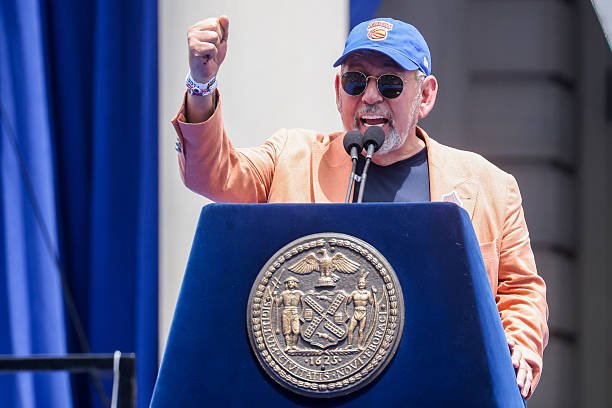
The revised prices will average 12 percent above last season, according to the company. “Our intention was never to overcharge our loyal fans,” MSG said.
TSP is not persuaded by that explanation, although the available reporting does not establish that the original prices were deliberate. The criticism of ownership does not depend on proving a hidden plan: its response still leaves fans facing higher prices.
One of the Knicks’ own players had already raised the affordability problem. Speaking June 7 before Game 3 of the NBA Finals, Josh Hart lamented that supporters who had waited years for that moment could not get into the building.
“I kind of wish the ticket prices weren’t as crazy as they are,” Hart said. He described the cheapest tickets as costing $7,000 to $8,000 and called the prices “ridiculous.”
Hart was discussing resale listings, not accusing the Knicks of setting those particular prices. This week’s pause concerns the team’s own ticket sales. The episodes do not establish a repeated scheme, but they raise the same question about who can afford to attend.
His concern deserves more consideration than a promise to fix this week’s listings. For a supporter who cannot afford admission, the relevant question is whether the correction puts a seat within reach. Being told that a revised price is lower than an incorrect one does not answer that.
Refunding the difference is the appropriate remedy for an incorrect charge, but it is not a concession on affordability. Fans should not have to treat a price increase as good news because the initial listing was even worse.
Ownership should explain how the prices reached the sales page and what it is doing to preserve access for ordinary supporters. The Knicks can call those fans loyal, but this response gives them little reason to believe ownership values their ability to attend as much as their willingness to pay.