
 Business
Scores

San Antonio went down by 22 points in Chicago last Wednesday. The Spurs also trailed in Utah with a little more than three minutes left Sunday. They won both games, extending their streak to 12 and improving to 12-2. The comebacks stood out because the same team has spent much of the run putting opponents behind early.
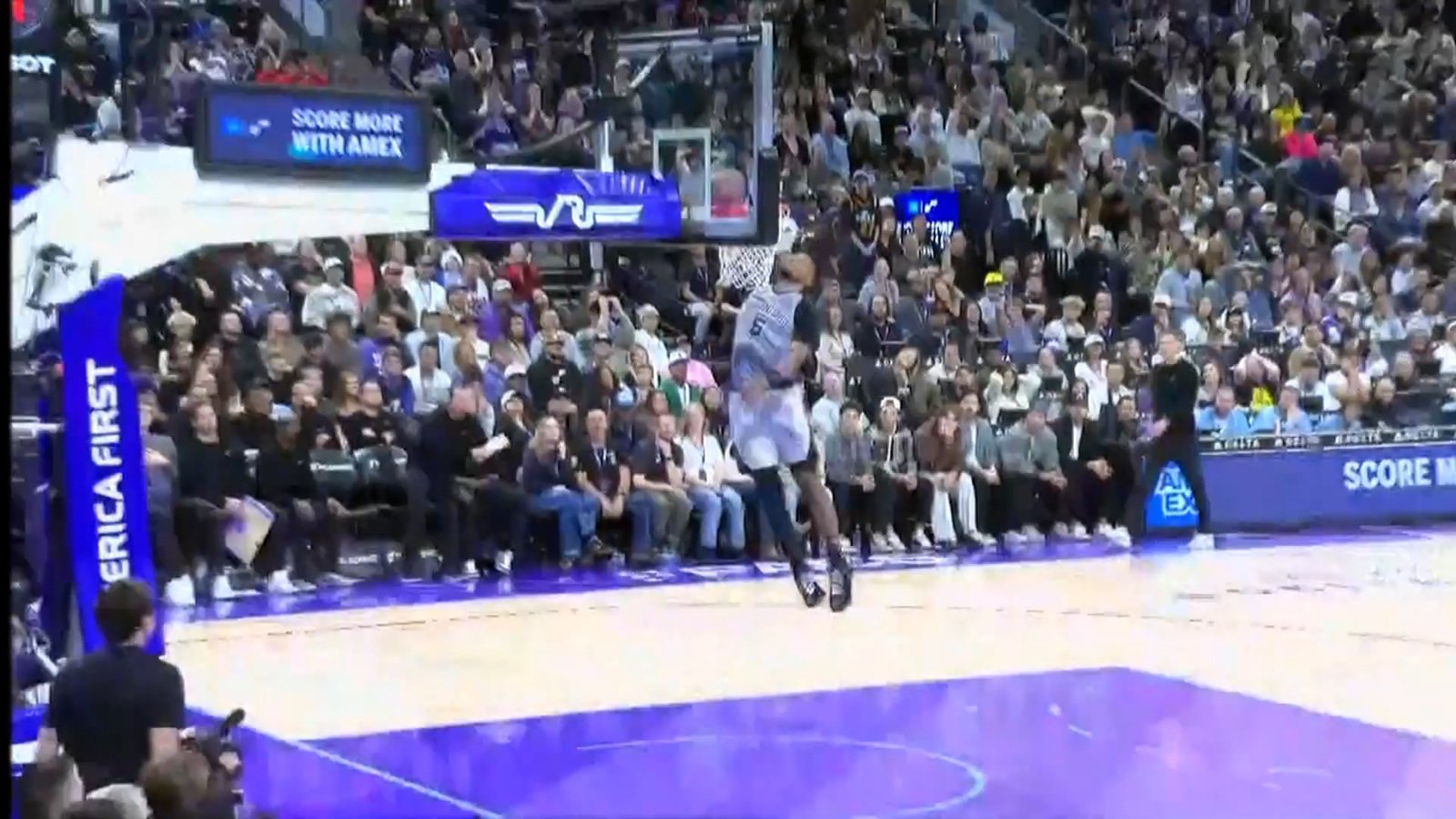
The Spurs can get points before a defense sets up, and they have limited the same opportunities for their opponents. According to Synergy figures published by the NBA on Monday, they averaged a league-leading 29.4 transition points and allowed a league-low 16.4. The 13-point difference helps explain why their winning streak has survived games in which their half-court offense has needed time to get going.
Points before the defense is set
Over San Antonio’s last five games at that cutoff, it led opponents 155-39 in transition scoring. That is a margin of 23.2 points per game, larger than its season average. Transition scoring can reflect pace, early shot selection and the ability to turn different types of stops into breaks. The split measures one category of scoring while the clock is moving. It does not count every possession that starts after a defensive rebound as a scoring chance on the break.
The thinking works in both directions. A team that protects the ball and gets back limits chances for the other side to attack without a settled defense. A team that secures a stop and advances quickly creates those chances for itself. The Spurs’ numbers show that opponents have had trouble doing to San Antonio what San Antonio has done to them.
Wembanyama protects the rim without piling up fouls
Victor Wembanyama had 60 blocks and 26 fouls through the same cutoff. The ratio was about 2.3 blocks per foul. In Phoenix last week he registered eight blocks in 25 minutes, along with 40 points and 11 rebounds. During the next three games he blocked 12 more shots and committed four fouls.
A block has different effects depending on what happens after contact. The ball can go out of bounds, return to an opponent or lead to a possession the other way. A blocked-shot total therefore cannot tell how many fast-break points Wembanyama created. What it shows alongside his foul total is that San Antonio has been getting repeated rim protection without paying for it with a comparable number of fouls by its center.
The next stretch will test the size of the gap. A five-game transition split can change quickly with opponents and shot outcomes. The broader picture is more informative than the last five alone. Through four weeks, San Antonio was among the top three in points scored and allowed per 100 possessions. It produced a transition advantage while maintaining a strong overall offense and defense.