
 Business
Scores

When Steven Adams took the floor alongside Amen Thompson, Kevin Durant, Jabari Smith Jr. and Alperen Şengün on Sunday, Houston put several of its biggest players on the court at once. That group missed six field-goal attempts. The Rockets retrieved all six and came away with 23 points in 14 possessions, according to NBA.com’s lineup analysis.
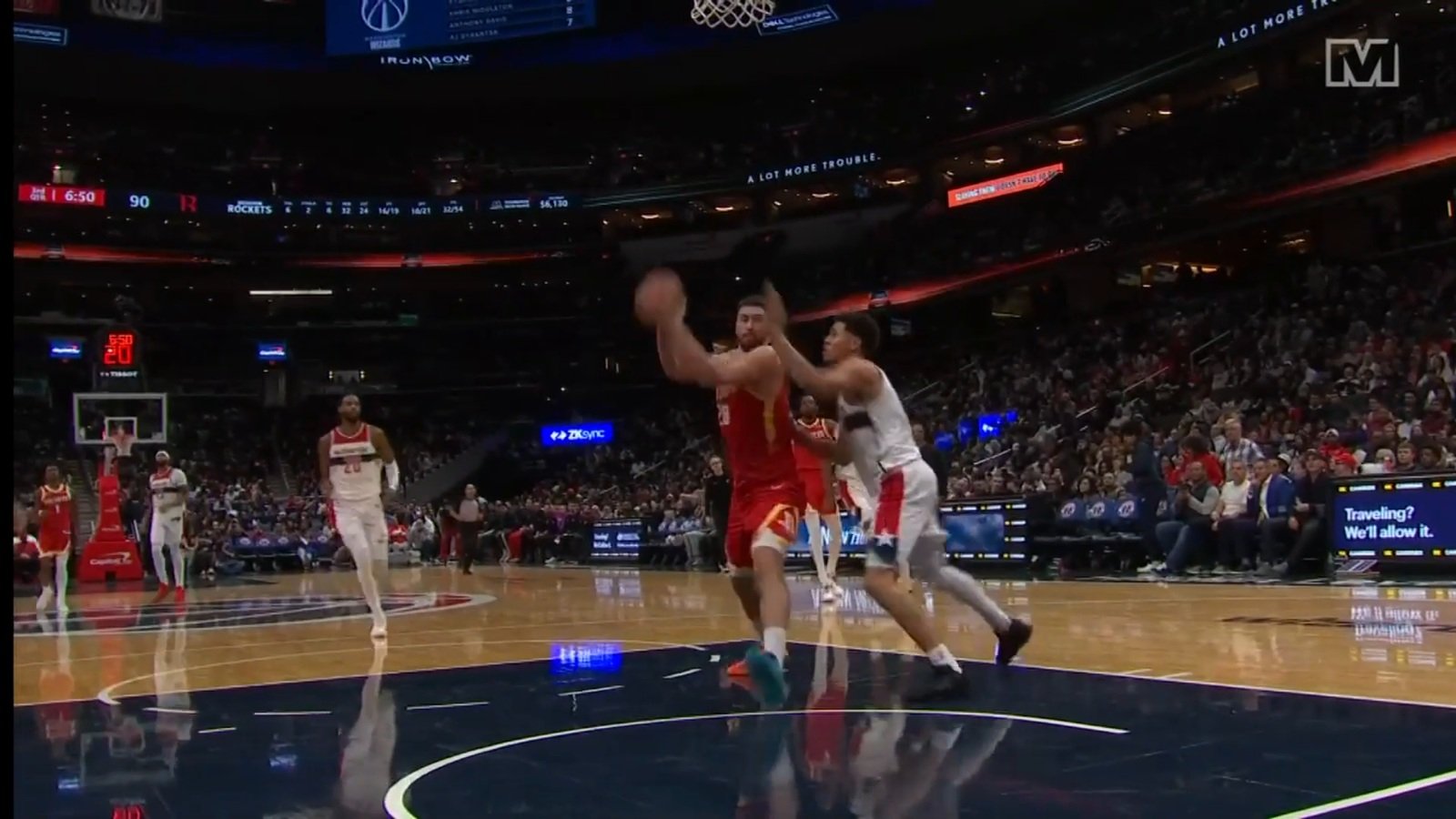
The groups that follow a missed shot help explain how those figures can coexist. Houston attempted 16 shots in 14 possessions with that lineup because a miss followed by an offensive rebound extends the same trip. The defense has to guard a new shot before it can change ends. Against this group, all six misses in the sample gave Houston another chance to finish the possession.
Adams has a specific role
Adams was playing his second game of the season. Fred VanVleet was out, so Houston could put Thompson in a group with Durant, Smith, Sengun and Adams. In such a group, some players can stay on the perimeter or move the ball while multiple teammates threaten for a rebound. That changes the defensive choice after the initial shot. A defender can release downcourt early or help make sure Houston gets only one chance.
The 14-possession stint was unusually efficient even before considering Houston’s second chances. The Rockets shot 10 for 16 with that group on the floor. Making shots at that rate does not establish an expected level for a five-man unit across the season. It offers an example of the offense Houston can generate when two things happen together: the first shot falls frequently, and the players recover the ones that do not.
There is a separate source of improvement
Through the first four weeks, NBA.com reported that Houston’s offensive rebounding percentage had declined from the previous season even as the offense improved. It was scoring 4.7 more points per 100 possessions from 3-point range and 3.2 more per 100 at the foul line. Those changes add up to 7.9 more points per 100 in the two categories before any offsets elsewhere.
That makes the big lineup an option within a more varied offense. The second chances matter especially when Houston gets Adams and Şengün on the floor together. Over the larger sample, the extra scoring has also come from successful trips at the line and from 3-point shots, regardless of whether the Rockets recovered their misses.