
 Business
Scores

When Shohei Ohtani pitches and bats for the Los Angeles Dodgers, he still occupies one place on the active roster. Under MLB’s two-way player rule, he can pitch without counting against the limit on how many pitchers that roster can include. That difference gives the club options when it puts together the rotation and bullpen.
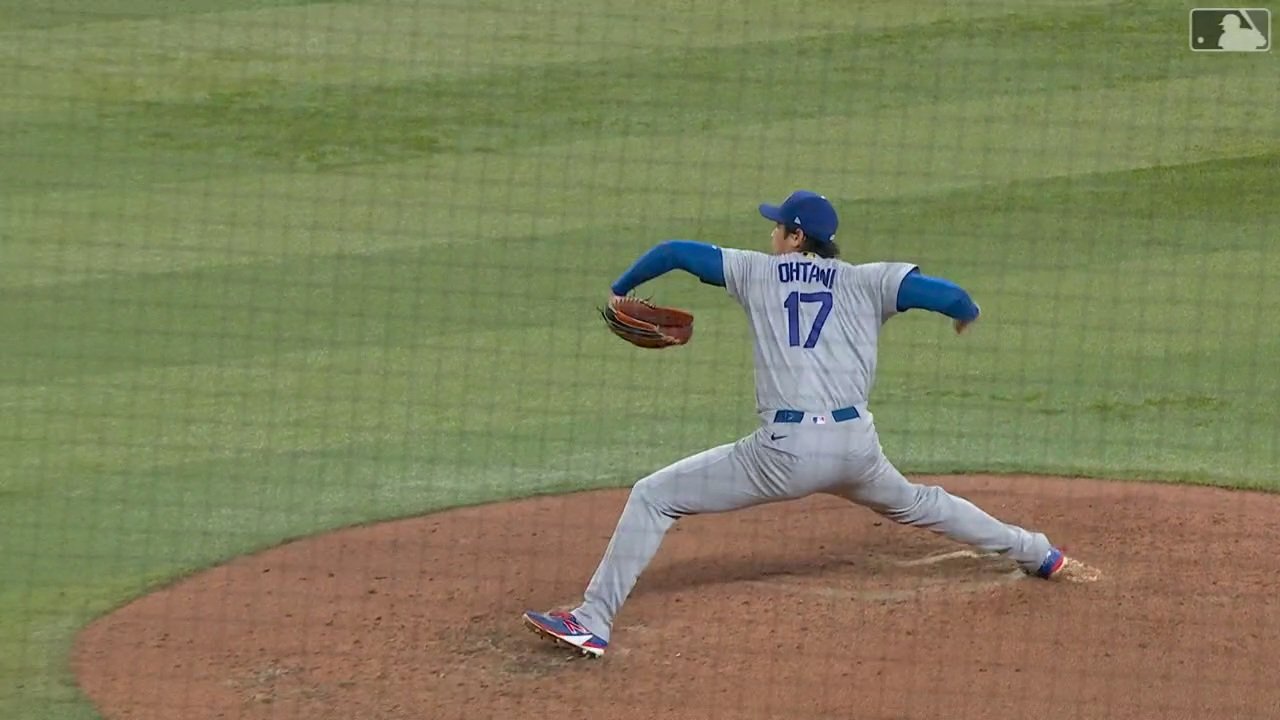
What the two-way designation requires
MLB normally limits a club to 13 pitchers on its active roster, rising to 14 from Sept. 1 through the end of the regular season. Most players must be designated as pitchers or position players. Under ordinary rules, a position player can pitch only in extra innings or when the score meets the league’s run-margin test.
A player qualifies for the two-way designation if he pitches at least 20 major league innings and starts at least 20 games as a position player or designated hitter, with three or more plate appearances in each one. He must meet both conditions in the current season or one of the previous two. Once designated, he can pitch in any situation without counting toward the pitcher limit. He still uses a roster spot.
Suppose a team carries its full regular allotment of 13 designated pitchers. In the absence of a qualified two-way player, those are the regular pitching options it can carry. A qualified two-way player gives it one additional player who can handle ordinary pitching situations. Counting that player one way for the pitcher limit does not increase the total size of the active roster.
How the rule changes the Dodgers’ choices
The value depends on what the two-way player can actually do. The designation gives the Dodgers room to keep a reliever available when Ohtani starts. It does not require that they spend the extra flexibility on a particular bullpen role, or remove the practical need to manage how often he pitches.
On offense, the club has a different constraint. Ohtani’s regular use at designated hitter means the Dodgers have fewer openings to give another regular a day without fielding while keeping that player’s bat in the lineup. That matters for veterans Freddie Freeman and Max Muncy, who are 37 and 36. Both remain under contract for 2027, and both played the corner infield through 2026.
The same roster therefore offers flexibility on the pitching side and continuity at designated hitter. When the Dodgers consider a bench player in the offseason, the rule can help them carry an extra pitching option. Whether a hitter would see regular DH work is a separate question tied to how often Ohtani plays and the defensive positions the newcomer can cover.