
Business of Sports · MLB
MLB’s 2026 Team Sponsorship Revenue Reaches $2.12 Billion, Report Says
SponsorUnited estimates that MLB’s 30 clubs generated $2.12 billion in 2026 sponsorship revenue, up 7.3% against its revised 2025 comparison.

Major League Baseball’s 30 teams generated an estimated $2.12 billion in sponsorship revenue during the completed 2026 season, according to new SponsorUnited figures reported by Forbes on October 29. The total covers club sponsorship business, rather than every source of revenue across MLB.
The estimate represents 7.3% growth against a revised 2025 comparison of $1.98 billion. SponsorUnited lowered its earlier 2025 figure after additional validation and reconciliation. Forbes also reported an average agreement of $590,000, up 5.9%, and estimated financial-services spending of $349 million.
Those measures describe different aspects of the same sponsorship market and should not be added together as separate league revenue. The revenue estimate does not measure player payroll, ticket income or national broadcasting contracts.
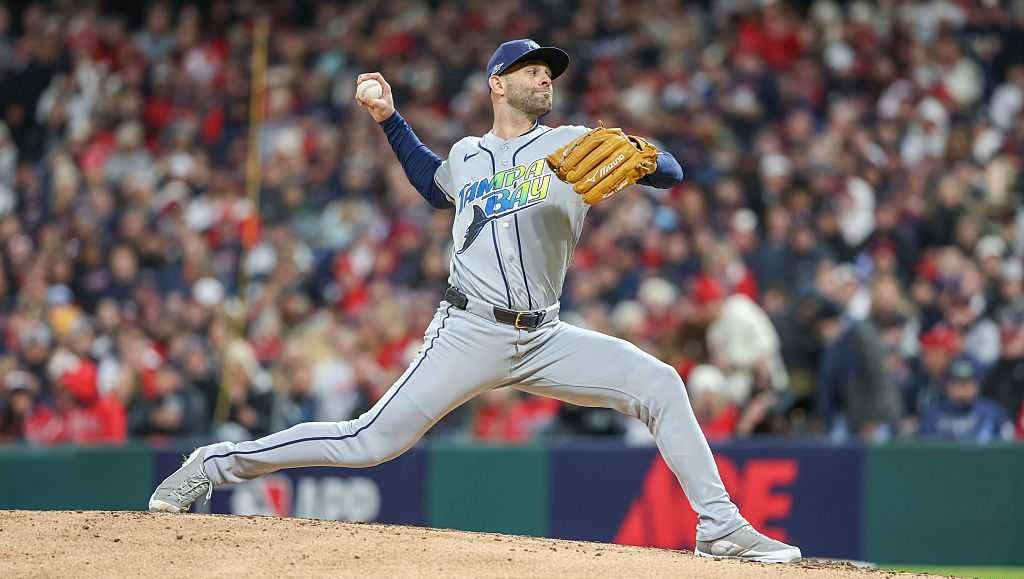
Jersey patches are one visible part of that business. Blinkfire’s April review lists the sponsors on all 30 clubs’ sleeves for 2026, showing how regional businesses and national brands purchase positions on team uniforms.
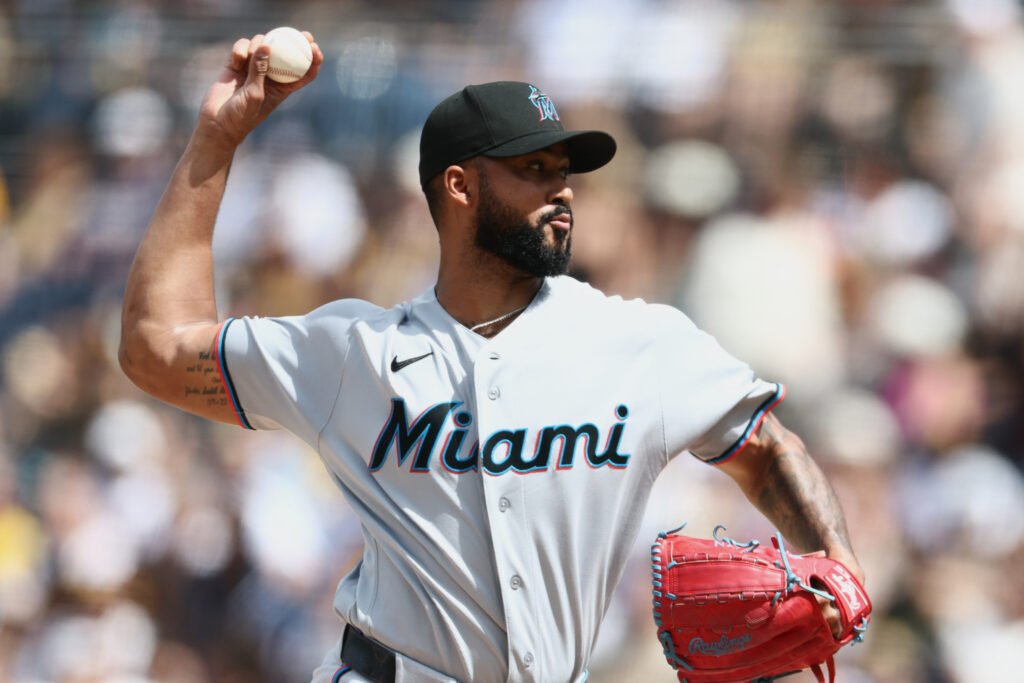
Motorola sponsors both the Cubs and Padres, giving the company placements in two baseball markets. Other listed combinations include ADT and the Marlins, Guggenheim and the Dodgers, Nintendo and the Mariners, and T. Rowe Price and the Orioles. Each agreement connects a particular company with a club’s audience. Partnerships include Boston’s MassMutual deal and the Brewers’ Northwestern Mutual agreement.
The available inventory extends beyond jersey sleeves. Blinkfire also describes Strauss’s league partnership covering postseason batting helmets and Minor League Baseball regular-season helmets. That arrangement began in 2024 and continued into the 2026 postseason; it is a separate property from a team’s own sleeve-patch agreement.
Blinkfire’s visibility analysis examines logos across broadcasts, streaming, social coverage and other channels. Such exposure can describe where a brand appeared, but it is different from the fee paid under a contract. Revenue and visibility therefore answer different questions about the same commercial relationships.