
 Business
Scores

Dallas was within one scoring possession of a BIG3 title in August when Jeremy Pargo tied the game from one of the four-point circles. He later hit another four to win it. By the time the Boston Ball Hogs claimed their first championship, the same shot had solved two different problems.
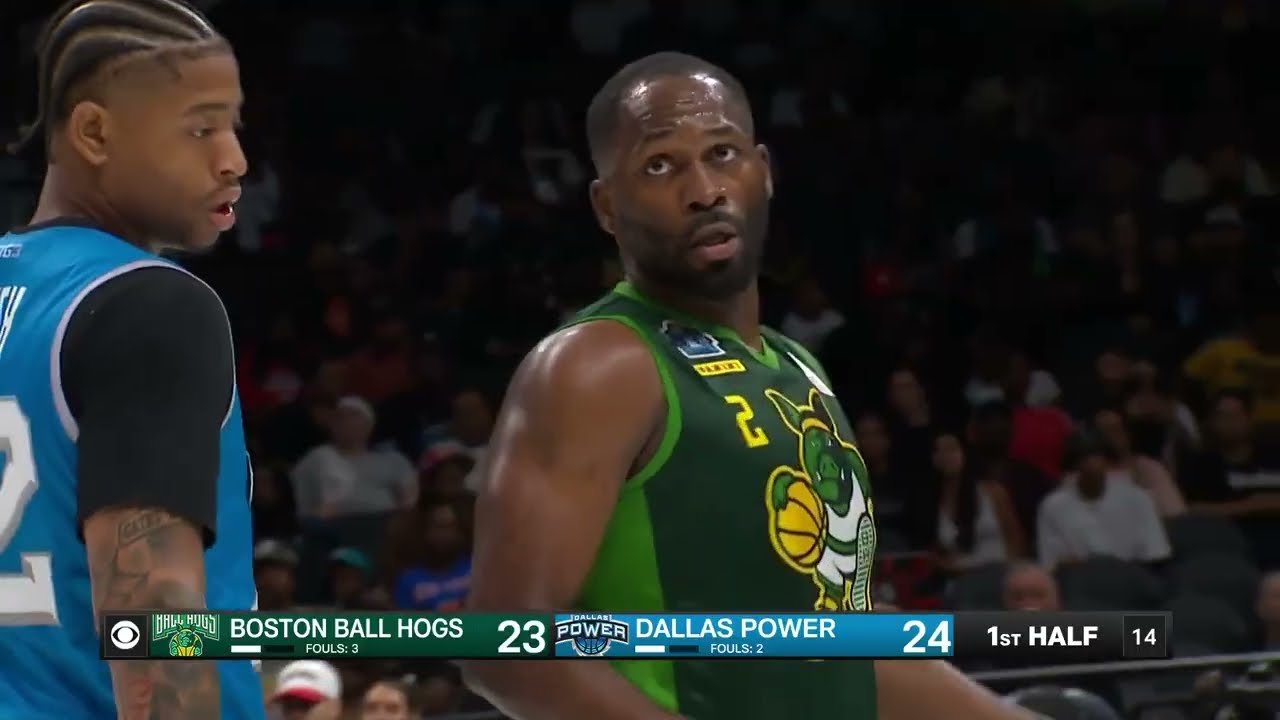
Boston’s win gives readers a way to see how the league works before its 10th season. A team wins by reaching at least 50 points with a lead of two or more. Games use a 14-second shot clock and no running game clock. A lead matters for how quickly a team can reach the target, but the leading team eventually has to score again. A team that reaches 50 with only a one-point lead must keep playing.
One Shot Can Change the Next Possession
At 43–47, Boston would still have trailed after a two- or three-point basket. Pargo’s first four brought the score level. Dallas could still win on its next possession with a three if it could establish a two-point lead. The tie also put Boston within one made three or four of the target.
The four-point locations are marked circles beyond the arc. The league’s rule requires a foot to touch a circle for the shot to count for four. Defending those spots requires a player to step farther from the basket than on a conventional three-point attempt. Leaving a defender high also gives the offense more room to move toward the rim.
The Finish Starts With the Score
Dallas had a chance to end the game at the free-throw line after Greg Monroe drew a foul while scoring. His attempt missed. At the other end, Pargo’s next four supplied both the point total and the margin Boston needed.
In this format, a team’s options change after every make. At 48, a basket inside the arc can win, provided the team finishes at least two ahead. At 47, the same shot only gets to 49. For a team choosing between a layup and a shot farther from the basket, the current score determines whether the extra distance could end the game.
The championship gave a vivid example of what the rule can do. Pargo’s first deep shot changed Dallas’s options. His second won the championship.