
 Business
Scores

Premier League clubs voted 18-2 on Nov. 19 to expand legal protections for the league’s five board members, according to reports by Sky Sports and The Times, amid the prospect of litigation involving sponsors of Manchester City.
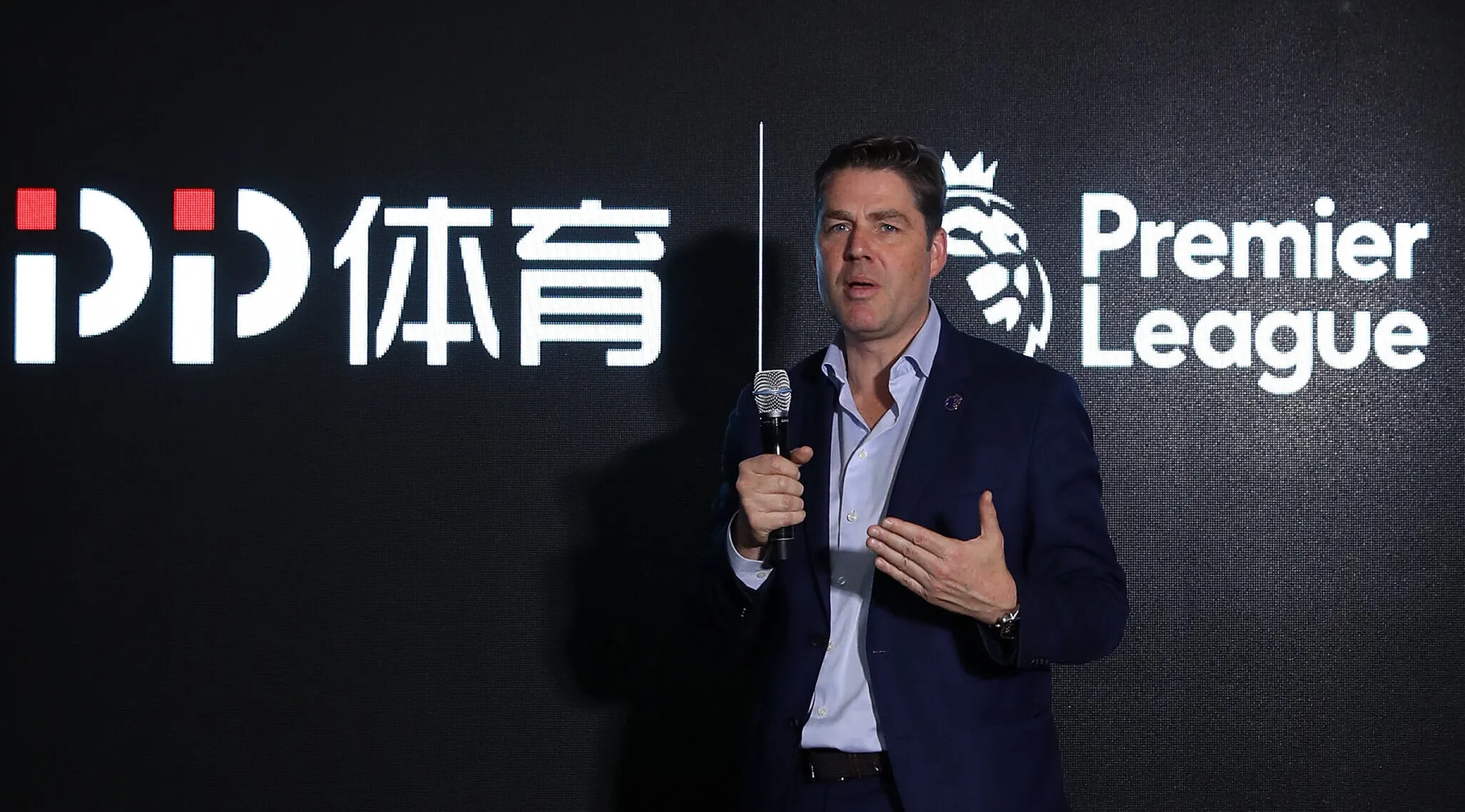
The decision, taken at a shareholders’ meeting in London, extends indemnity to chief executive Richard Masters, chair Alison Brittain and non-executive directors Mai Fyfield, Dharmash Mistry and Matthew Ryder.
The protection is intended to cover legal costs if directors are sued individually over their work on behalf of the competition. It is a separate governance matter from the disciplinary proceedings against Manchester City.
BBC Sport reported that Manchester City and Nottingham Forest were the two clubs that opposed the proposal. The other 18 clubs voted in favour.
The vote followed concerns that third parties, including sponsors of Manchester City, might pursue legal claims arising from findings made by an independent commission in the club’s financial rules case. Manchester City has denied wrongdoing and is appealing the findings, City AM reported.
Masters has previously described the disciplinary case as “the most significant in Premier League history,” according to City AM.
An indemnity is a financial undertaking to protect a person against specified liabilities or expenses. In this instance, the agreement is intended to reduce the risk that directors would have to personally bear covered legal expenses arising from their duties. It does not prevent someone from filing a lawsuit, nor does it establish that a claim would succeed.
The distinction matters because Premier League clubs are not simply participants in the competition. As shareholders, they collectively make decisions on the rules governing the league, including arrangements affecting its leadership.
The vote therefore addresses who bears potential legal costs connected with the administration of the league, rather than determining the merits of any future claim. It also leaves open how much the protection could ultimately cost, if it is ever called upon.
No amount of future legal expenditure was disclosed in the reporting of the vote. The decision should not be interpreted as evidence that any sponsor has already brought an individual claim against a director.