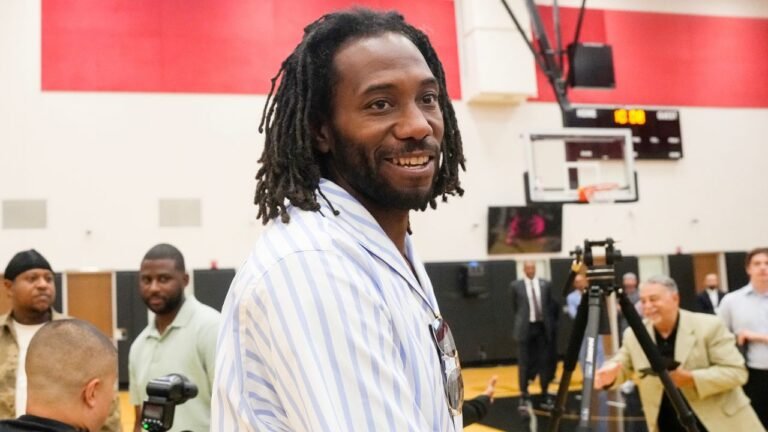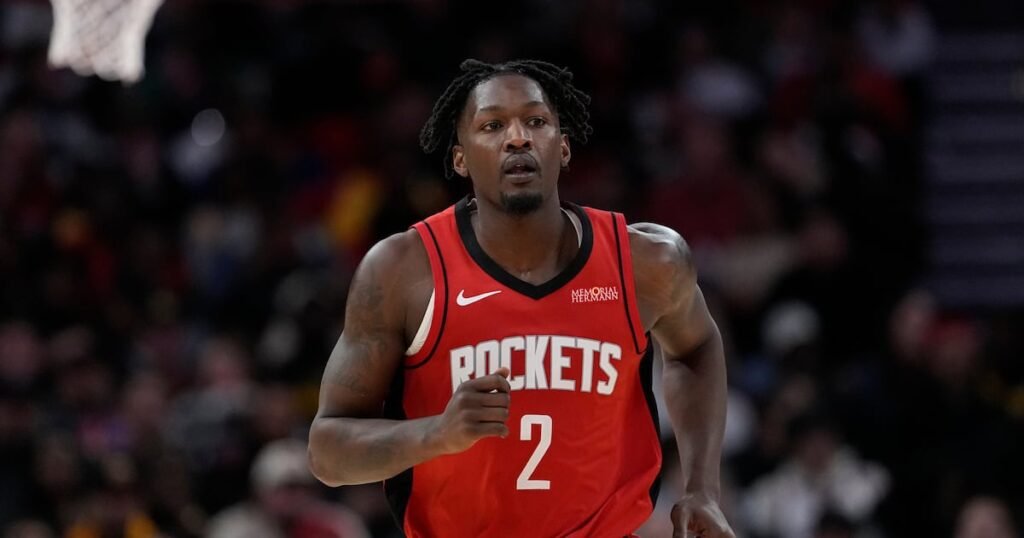
Houston’s disjointed offense has been explained largely through Fred VanVleet’s absence. Younger players inherited responsibilities they were not ready to carry, leaving the team without a reliable way to organize possessions. With VanVleet returning, much of the conversation at Tuesday’s Media Day concerned how naturally those problems should ease. It left less attention for the people who were supposed to help Houston navigate them in the first place.
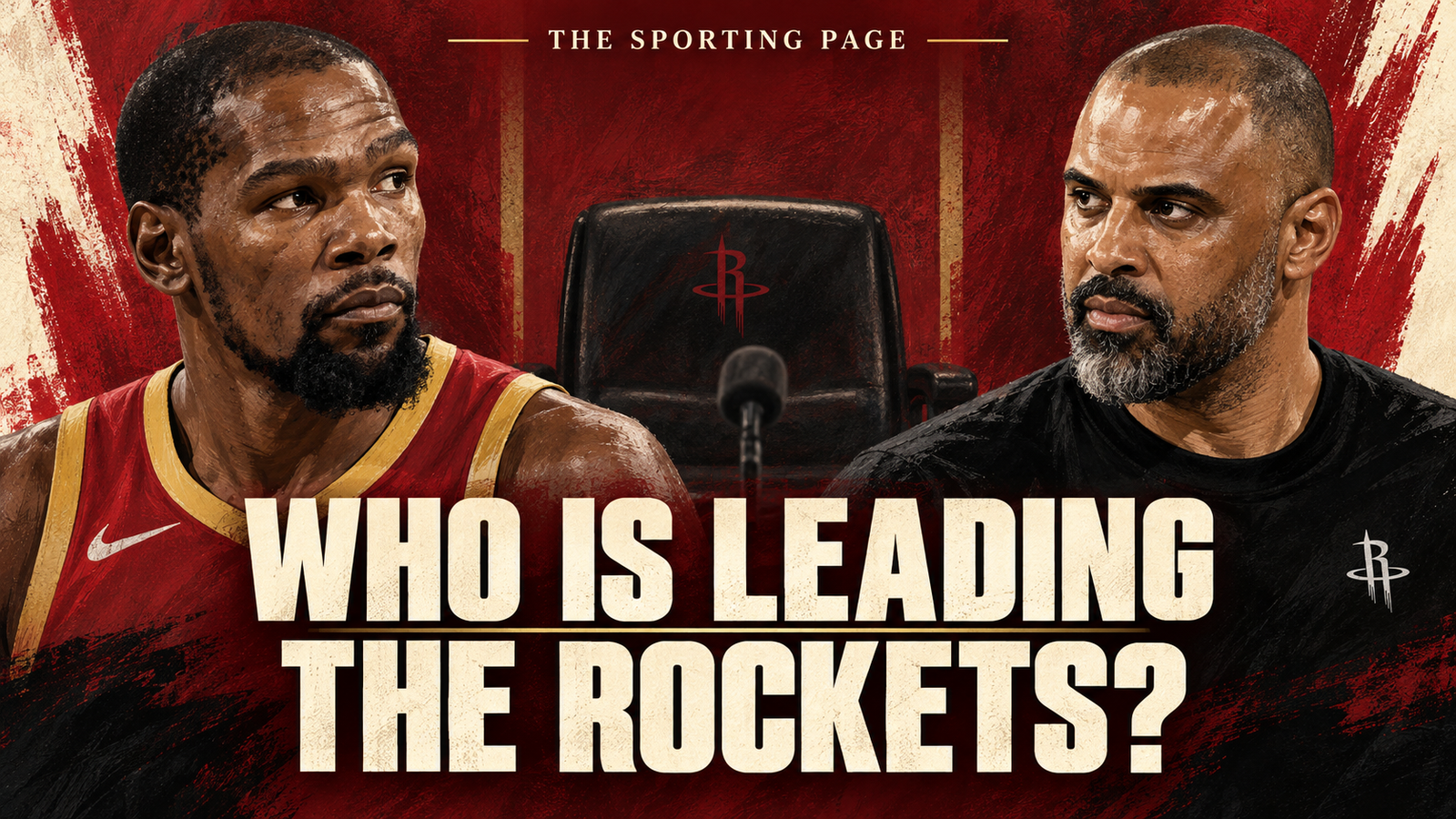
Ime Udoka acknowledged that the team had disappointed him. “I don’t think anybody met our expectations,” he said after a second consecutive 52-win season ended in the first round. The coach also said Houston held double-digit leads in 18 of its 30 regular-season losses. His assessment should invite scrutiny of his own decisions, along with the leadership Kevin Durant provided during his first year with the team. Michael C. Wright’s Media Day report, Rockets Wire
The Rockets missed VanVleet, but the argument over his absence has often skipped the distinction between organizing a possession and creating an advantage. He can communicate an assignment and get the ball where an action is supposed to begin. Houston still needs someone who can force a defense to react when that action fails, rather than leave a teammate attempting a difficult shot against coverage that has barely moved.
His last played regular season, in 2024–25, produced 333 assists against 87 turnovers, an assist-to-turnover ratio of approximately 3.83. That is meaningful evidence of his ability to protect possessions. His 37.8% shooting from the field raises a different concern about his own scoring efficiency. Neither number proves what position he should play, but together they complicate the idea that restoring him to the lineup supplies everything Houston was missing. VanVleet’s 2024–25 statistics
VanVleet offered a useful qualification himself when asked about becoming a championship team with him back. “It’s not as simple as just plug and play,” he said, emphasizing the habits Houston still needs to develop. That answer places responsibility on a process that must survive his absences, particularly with Udoka initially expecting to hold him out of back-to-backs. Official Media Day stream, NBA.com
Udoka needs to change how his offense is coached. The demand for an offensive coordinator should mean bringing in someone with the authority to reshape the approach, rather than adding a title to an existing arrangement. Houston already has assistants who work on offense, including Ben Sullivan; their presence makes the results a question of effectiveness, not whether anyone has been assigned the job. Reporting on Sullivan’s role
Durant’s account of last season explains why that change deserves consideration. He described rushing passes when multiple defenders surrounded him, while teammates sometimes failed to move toward the ball or cut into scoring positions. He included himself in the criticism, but the broader picture was of players who did not consistently understand how to help one another through defensive pressure. Those decisions should be anticipated in practice, with the next movement already understood when the ball arrives. Official Media Day stream
Durant’s influence should be judged by how the team plays around him. Houston brought in an exceptional scorer whose experience ought to help younger teammates understand difficult situations. Their continued uncertainty leaves room to question how effectively that knowledge was transferred. His individual production does not settle the leadership issue, just as the team’s failures cannot reasonably be assigned entirely to him.
The discussion of his workload revealed a potential difficulty in spreading responsibility. Udoka wants to reduce his leading players’ minutes, while Durant defended his presence by saying, “The team is better when I’m on the court.” He accepted that comfortable leads could allow more rest, but resisted reducing his workload merely because of age or accumulated playing time. Associated Press via ESPN
Durant may be right about the immediate benefit of keeping him in a game. Houston still needs to become less dependent on that answer, which requires its star to support an approach that gives others meaningful responsibility. The leadership test is whether he helps those possessions become more reliable, rather than whether he remains willing to play through another long night.
Rafael Stone’s account of the relationship was positive: he praised Durant as a teammate and said the forward wanted to remain in Houston. There is no established trade situation in the reporting reviewed here. A midseason move would nevertheless be unsurprising if the same frustrations return and either side begins questioning the partnership. That is a judgment about where another disappointing stretch could lead, not a claim that negotiations are underway. Rockets Wire on Durant’s future
VanVleet’s return gives Houston help it needed, but it also removes an explanation that has sheltered larger questions. Udoka must show that his offense can withstand pressure, with Durant helping teammates assume enough responsibility to make that possible. If another promising season breaks down in the same possessions, the Rockets should examine the leadership they already have before explaining what they were missing.