

WNBA
WNBA Enters Offseason With Search for Its Next Commissioner
The WNBA commissioner search accompanies replay-center upgrades and expansion.
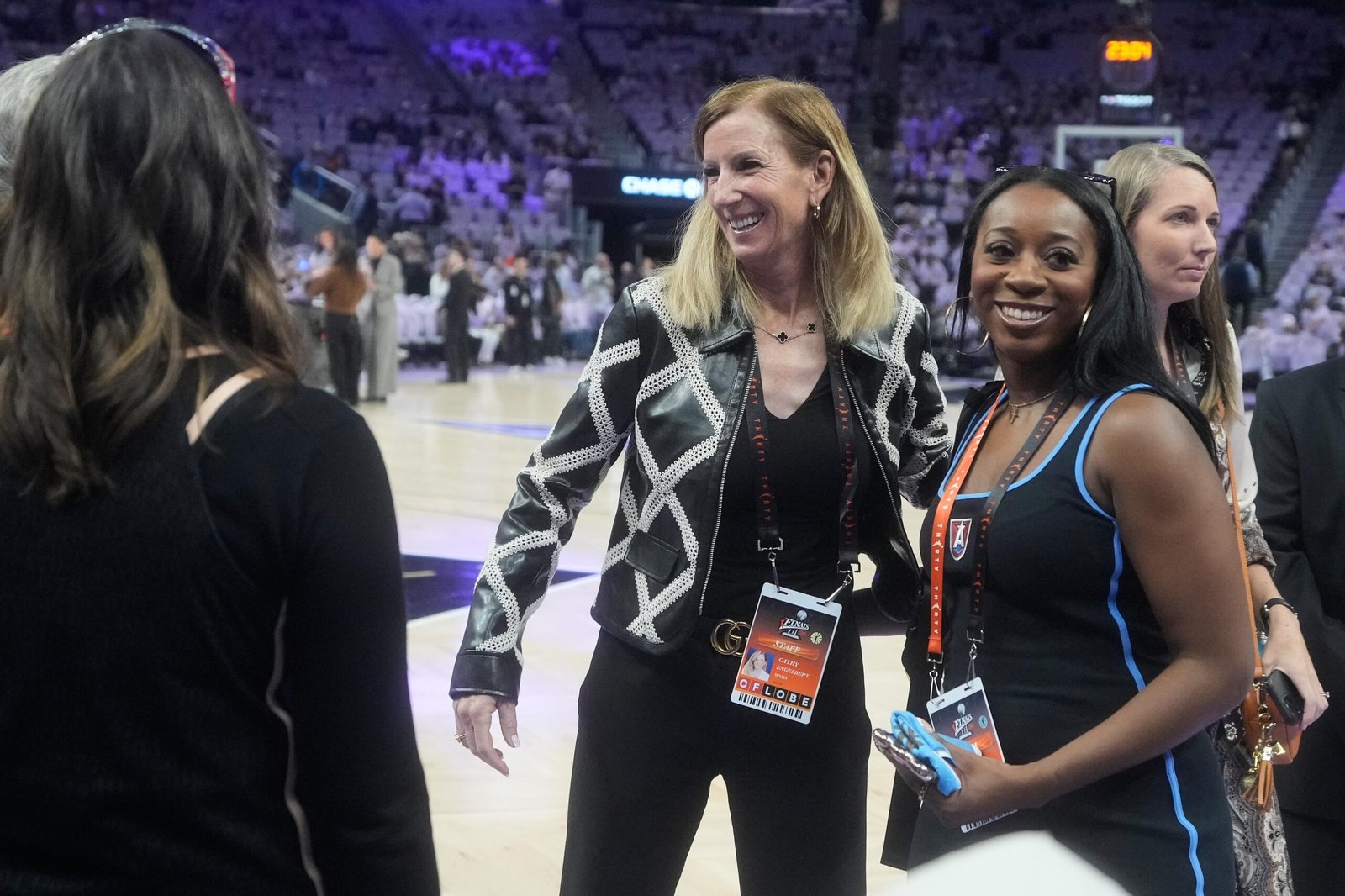
The WNBA enters its offseason searching for a commissioner to succeed Cathy Engelbert, with leadership of an expanding league still to be settled after Golden State’s first WNBA championship on Saturday. The Associated Press reported Sunday that a search has begun as Engelbert prepares to retire at the end of 2026.
The league announced Engelbert’s retirement on September 4. Appointed in 2019 as the WNBA’s first commissioner, she will leave after more than seven years in the role. NBA Commissioner Adam Silver announced her decision, according to the league’s official release.
The next commissioner faces operational questions alongside the leadership transition. AP identified improving relationships with players, officiating and scheduling among the offseason priorities. A renovated replay center in New Jersey is due to become fully operational next season, with arena technology and video infrastructure also being upgraded.
Teams will play a record 50 regular season games in 2027. AP reported that the absence of an Olympic or women’s World Cup break creates more scheduling room, but playoff arena availability remains a concern when the WNBA postseason overlaps with the NBA season.
Engelbert’s tenure included a $75 million capital raise in 2022. The league said the investment supported marketing, fan engagement, digital products, distribution and international growth. She also introduced a charter flight program covering travel to every game for teams and players.
The commissioner introduced the in-season Commissioner’s Cup in 2021 and oversaw an increase to 44 regular season games in 2025. The league’s retirement announcement also credited her with helping negotiate new media rights and collective bargaining agreements, including higher player salaries and benefits.
The leadership change comes during a broader expansion. The WNBA’s announced plan takes the league from 12 to 18 teams by 2030, leaving Engelbert’s successor responsible for an organization with a larger national footprint.
Sources and notes
More from The Sporting Page
 Business of Sports
MLB Teams Face Monday Deadline for $23.15 Million Qualifying Offers
 Business of Sports
Report: Walter and Kushner Finalize Terms of $12.5 Billion Lakers Sale
 Business of Sports