
 Business
Scores

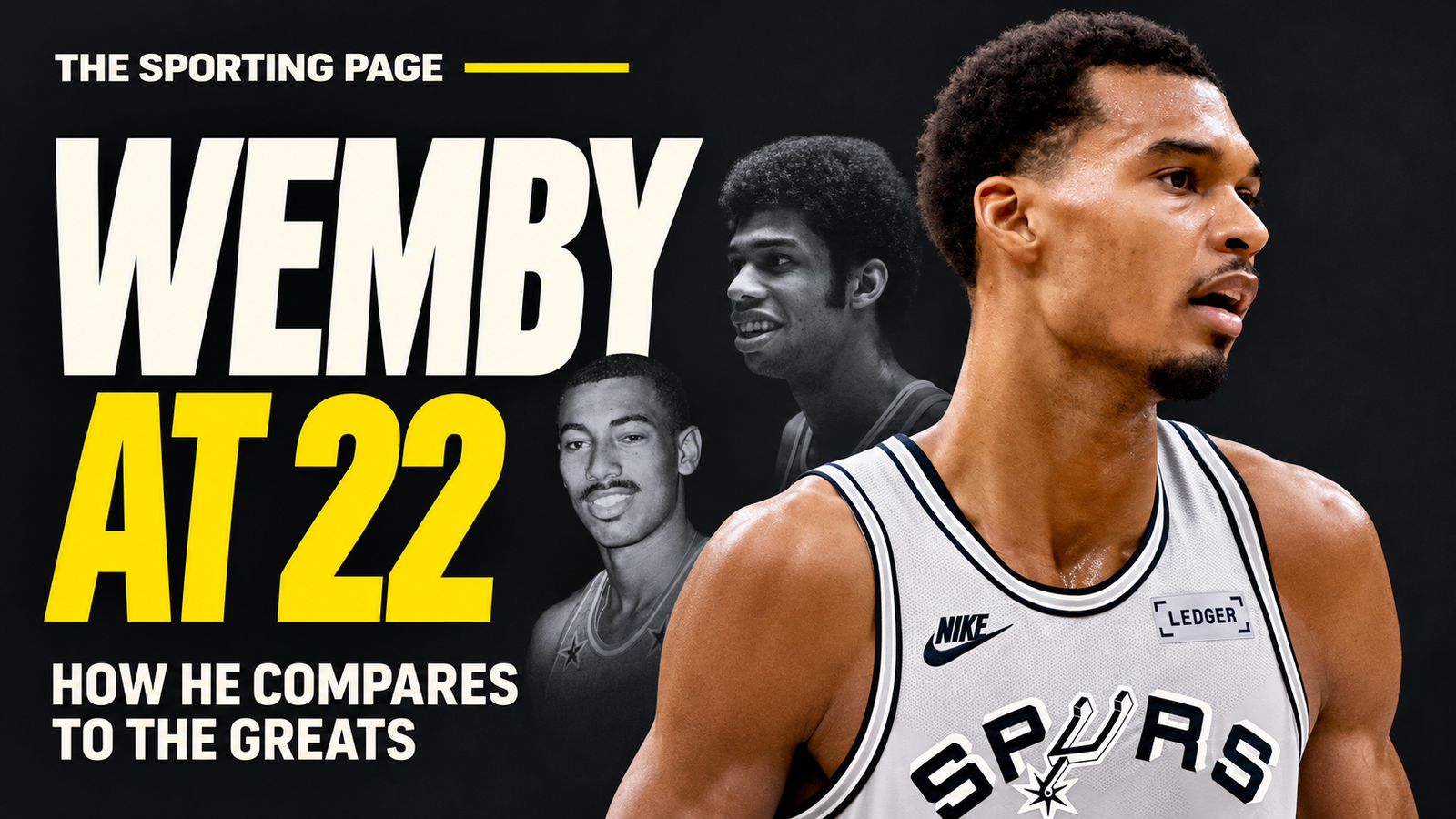
Who else has had 50 points, 20 rebounds and five blocks?
Victor Wembanyama set career highs with 52 points and 24 rebounds and blocked eight shots in San Antonio’s 112-111 win over Dallas on Nov. 4. The 22-year-old played 34 minutes as the Spurs won their sixth straight game.
He joined Bob McAdoo as the only players with at least 50 points, 20 rebounds and five blocks since the NBA began recording blocks in 1973-74. McAdoo had 52 points, 22 rebounds and seven blocks for the Buffalo Braves against Boston on Feb. 22, 1974. Wembanyama became the first NBA player with at least 50 points, 20 rebounds and eight officially recorded blocks in a game.
50 POINTS, 20 REBOUNDS AND AT LEAST FIVE BLOCKS
Official NBA block records, beginning in 1973-74.
| Player | Date | PTS | REB | BLK |
|---|---|---|---|---|
| Bob McAdoo | Feb. 22, 1974 | 52 | 22 | 7 |
| Victor Wembanyama | Nov. 4, 2026 | 52 | 24 | 8 |
Wembanyama made 16 of 28 shots, including one of eight from 3-point range. “I can be much better if my shots fall,” he said, according to The Associated Press.
Wembanyama is eight games into his fourth NBA season. His third ended with a Defensive Player of the Year award, an All-NBA first-team selection and a trip to the Finals, where the Spurs lost to New York in five games.
Wilt’s earlier 50-point, 20-rebound games
Contemporary accounts credit Chamberlain with at least 15 blocks in three of his 50-point, 20-rebound games, and an Associated Press report describes about 10 in a fourth.
| Date | Opponent | PTS | REB | Reported blocks |
|---|---|---|---|---|
| Jan. 5, 1960 | Minneapolis Lakers | 52 | 20 | About 10 |
| Feb. 5, 1961 | New York Knicks | 55 | 29 | 17 |
| Jan. 5, 1963 | Chicago Zephyrs | 50 | 25 | 15 |
| Oct. 23, 1965 | Detroit Pistons | 53 | 21 | 15 |
Chamberlain had 104 regular-season games and three playoff games with at least 50 points and 20 rebounds. More of those 50/20 games may have included eight or more blocks.
Scoring and shooting efficiency have risen together
Wembanyama’s scoring average rose from 21.4 points as a rookie to 24.3 in his second season and 25.0 in his third. His rebounding increased from 10.6 to 11.5 per game over that stretch. He was named Rookie of the Year in 2023-24.

His true-shooting percentage, which measures scoring efficiency across field goals and free throws, rose from 56.5% as a rookie to 59.4% in his second season and 62.6% in his third, an increase of 6.1 percentage points.
Shaq was a scoring champion in his third season
Shaquille O’Neal averaged 29.3 points in his age-21 season and matched that figure the next year. In that age-22 season, 1994-95, he won the scoring title and helped Orlando reach the Finals.

Wembanyama averaged 25.0 points and 11.5 rebounds in his completed age-22 season, 2025-26. O’Neal averaged 29.3 points and 11.4 rebounds at the same season age, playing 79 games. Both reached the Finals in their third NBA seasons, and Wembanyama also won Defensive Player of the Year.
Later NBA debuts, immediate MVP contenders
Kareem Abdul-Jabbar was an NBA rookie in his age-22 season. Still known as Lew Alcindor, he arrived after winning three NCAA championships at UCLA and averaged 28.8 points and 14.5 rebounds for Milwaukee.
Abdul-Jabbar won consecutive MVP awards in 1970-71 and 1971-72. Milwaukee won the 1971 championship, with Abdul-Jabbar named Finals MVP. He averaged 30.2 points and 16.1 rebounds in his fourth NBA season.
Chamberlain spent his age-22 season with the Harlem Globetrotters after two varsity seasons at Kansas. In college, he had been the NCAA tournament’s Most Outstanding Player and a consensus All-American. He made his NBA debut at 23, averaging 37.6 points and 27.0 rebounds and winning both MVP and Rookie of the Year.
His third NBA season, 1961-62, included the 100-point game and a 50.4-point scoring average. In his fourth, he averaged 44.8 points and 24.3 rebounds while playing 47.6 minutes per game.
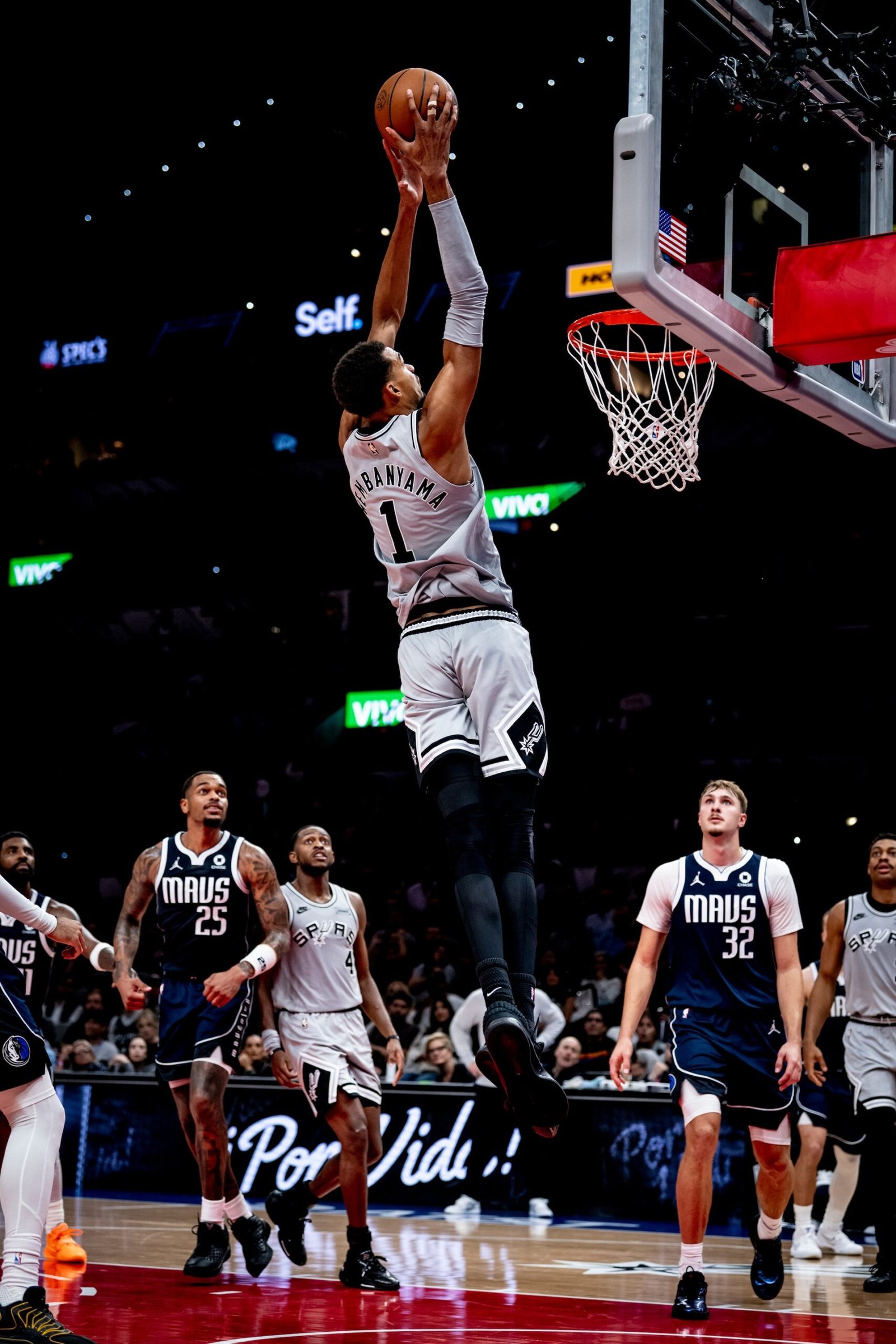
Russell and Duncan won titles in their age-22 seasons
Bill Russell’s age-22 season ended with Boston’s first NBA championship. He arrived after consecutive NCAA titles at San Francisco and an Olympic gold medal in 1956. His first NBA MVP award came the following season, when he averaged 16.6 points and 22.7 rebounds.
Russell won without approaching the scoring averages of Chamberlain or Abdul-Jabbar. His rebounding and defense were central to Boston’s success.
Tim Duncan averaged 21.7 points and 11.4 rebounds in his age-22 season, 1998-99, and was named Finals MVP as San Antonio won its first championship.
Bill Walton won his championship with Portland in his age-24 season. He averaged 18.6 points and 14.4 rebounds, led the NBA in rebounding and blocks, and was named Finals MVP. At 25, he won the regular-season MVP award while averaging 18.9 points, 13.2 rebounds and 5.0 assists.
Sampson’s skills and the later starts of Olajuwon and Robinson
Hakeem Olajuwon was still at Houston in his age-20 and age-21 seasons, reaching the NCAA championship game both years. His age-22 season was his NBA rookie year, when he averaged 20.6 points and 11.9 rebounds. The following season, he and Ralph Sampson helped the Rockets reach the NBA Finals.
David Robinson reached the Elite Eight with Navy in his age-20 season and won national player-of-the-year honors as a senior. After two years of military service, he made his NBA debut in his age-24 season and averaged 24.3 points, 12.0 rebounds and 3.9 blocks.
At 7-foot-4, Sampson had the mobility and ball skills to play beyond the traditional center’s role. He won three consecutive national player-of-the-year awards at Virginia during his age-20, age-21 and age-22 seasons.
He won Rookie of the Year, averaged 22.1 points and 10.4 rebounds in his second NBA season, then reached the 1986 Finals in his third. Injuries limited his fourth season to 43 games. Walton played 58 games in his MVP season and missed the following season entirely.
Wembanyama played 64 games last season, up from 46 in his second year but still below the 71 he played as a rookie.
The same NBA experience, at different ages
Wembanyama’s 29.0-point average through eight games is close to Abdul-Jabbar’s 30.2 in his fourth season and above most of the other fourth-season averages in this group. Chamberlain averaged 44.8 over 80 games; Shaq averaged 26.6 over 54.

Wembanyama’s fourth season, like O’Neal’s, is his age-23 season. Duncan was 24; Abdul-Jabbar, Russell, Walton and Olajuwon were 25; Chamberlain and Sampson were 26; Robinson was 27.
The earlier 50-point, 20-rebound games
NBA/BAA through 1972-73
| Player | Regular-season games | Playoff games |
|---|---|---|
| Wilt Chamberlain | 104 | 3 |
| Elgin Baylor | 8 | 1 |
| Bob Pettit | 2 | 0 |
| Elvin Hayes | 2 | 0 |
| George Mikan | 1 | 0 |
| George Yardley | 1 | 0 |
| Dolph Schayes | 1 | 0 |
ABA: the five known 50/20 games
| Date | Player | PTS | REB |
|---|---|---|---|
| March 18, 1969 | Mel Daniels | 56 | 31 |
| April 15, 1970 | Spencer Haywood | 59 | 25 |
| Jan. 12, 1974 | George McGinnis | 52 | 37 |
| Feb. 14, 1975 | Julius Erving | 63 | 23 |
| March 16, 1975 | Marvin Barnes | 54 | 23 |
NBA/BAA: 119 regular-season games and four playoff games through 1972-73. Six other 50-point games have missing rebound totals. The ABA table spans the league’s full nine seasons; Rick Barry’s 53-point game on Jan. 15, 1971 has an unavailable rebound total.
Victor Wembanyama and the NBA’s great big men, age by age
NBA regular-season points and rebounds per game are listed with each season’s achievements. College years and military service are included. Wembanyama’s 2026-27 figures cover eight games.
Ages 20 and 21
| Player | Age 20 | Age 21 |
|---|---|---|
| Wembanyama | 2023-24 21.4 PTS / 10.6 REB Rookie of the Year |
2024-25 24.3 PTS / 11.0 REB All-Star; 46 games |
| Kareem Abdul-Jabbar | 1967-68 College, UCLA NCAA champion, tournament MOP |
1968-69 College, UCLA NCAA champion, tournament MOP, Naismith NPOY |
| Wilt Chamberlain | 1956-57 College, Kansas NCAA runner-up, tournament MOP |
1957-58 College, Kansas consensus All-American |
| Bill Russell | 1954-55 College, San Francisco NCAA champion, tournament MOP |
1955-56 College, San Francisco NCAA champion, unbeaten 29-0; NPOY honors |
| Bill Walton | 1972-73 College, UCLA NCAA champion, Naismith NPOY |
1973-74 College, UCLA Naismith NPOY, Final Four |
| Shaquille O’Neal | 1992-93 23.4 PTS / 13.9 REB Rookie of the Year |
1993-94 29.3 PTS / 13.2 REB All-NBA third team |
| Hakeem Olajuwon | 1982-83 College, Houston NCAA runner-up, Final Four MOP |
1983-84 College, Houston NCAA runner-up, consensus All-American |
| Ralph Sampson | 1980-81 College, Virginia NPOY, Final Four |
1981-82 College, Virginia NPOY |
| Tim Duncan | 1996-97 College, Wake Forest consensus NPOY |
1997-98 21.1 PTS / 11.9 REB Rookie of the Year, All-NBA first team |
| David Robinson | 1985-86 College, Navy Elite Eight |
1986-87 College, Navy consensus NPOY |
Ages 22 and 23
| Player | Age 22 | Age 23 |
|---|---|---|
| Wembanyama | 2025-26 25.0 PTS / 11.5 REB DPOY, All-NBA first team, NBA Finals |
2026-27 29.0 PTS / 12.4 REB eight games, in progress |
| Kareem Abdul-Jabbar | 1969-70 28.8 PTS / 14.5 REB Rookie of the Year |
1970-71 31.7 PTS / 16.0 REB MVP, champion, Finals MVP |
| Wilt Chamberlain | 1958-59 Harlem Globetrotters |
1959-60 37.6 PTS / 27.0 REB MVP, Rookie of the Year |
| Bill Russell | 1956-57 14.7 PTS / 19.6 REB NBA champion; 1956 Olympic gold before NBA debut |
1957-58 16.6 PTS / 22.7 REB MVP, NBA Finals |
| Bill Walton | 1974-75 12.8 PTS / 12.6 REB 35 games |
1975-76 16.1 PTS / 13.4 REB 51 games |
| Shaquille O’Neal | 1994-95 29.3 PTS / 11.4 REB scoring leader, MVP runner-up, NBA Finals |
1995-96 26.6 PTS / 11.0 REB 54 games |
| Hakeem Olajuwon | 1984-85 20.6 PTS / 11.9 REB All-Star, All-Defensive second team |
1985-86 23.5 PTS / 11.5 REB NBA Finals |
| Ralph Sampson | 1982-83 College, Virginia third consecutive NPOY |
1983-84 21.0 PTS / 11.1 REB Rookie of the Year |
| Tim Duncan | 1998-99 21.7 PTS / 11.4 REB champion, Finals MVP; 50-game season |
1999-2000 23.2 PTS / 12.4 REB All-NBA first team |
| David Robinson | 1987-88 U.S. Navy service |
1988-89 U.S. Navy service |
Ages 24 to 26
| Player | Age 24 | Age 25 | Age 26 |
|---|---|---|---|
| Wembanyama | Not reached | Not reached | Not reached |
| Kareem Abdul-Jabbar | 1971-72 34.8 PTS / 16.6 REB MVP |
1972-73 30.2 PTS / 16.1 REB MVP runner-up |
1973-74 27.0 PTS / 14.5 REB MVP, NBA Finals |
| Wilt Chamberlain | 1960-61 38.4 PTS / 27.2 REB scoring and rebounding leader |
1961-62 50.4 PTS / 25.7 REB 100-point game |
1962-63 44.8 PTS / 24.3 REB scoring and rebounding leader |
| Bill Russell | 1958-59 16.7 PTS / 23.0 REB NBA champion |
1959-60 18.2 PTS / 24.0 REB NBA champion |
1960-61 16.9 PTS / 23.9 REB MVP, NBA champion |
| Bill Walton | 1976-77 18.6 PTS / 14.4 REB champion, Finals MVP |
1977-78 18.9 PTS / 13.2 REB MVP; 58 games |
1978-79 Did not play following foot injury |
| Shaquille O’Neal | 1996-97 26.2 PTS / 12.5 REB All-NBA third team |
1997-98 28.3 PTS / 11.4 REB All-NBA first team |
1998-99 26.3 PTS / 10.7 REB 49 games in 50-game lockout season |
| Hakeem Olajuwon | 1986-87 23.4 PTS / 11.4 REB All-NBA first team |
1987-88 22.8 PTS / 12.1 REB All-NBA first team |
1988-89 24.8 PTS / 13.5 REB rebounding leader |
| Ralph Sampson | 1984-85 22.1 PTS / 10.4 REB All-Star Game MVP |
1985-86 18.9 PTS / 11.1 REB NBA Finals |
1986-87 15.6 PTS / 8.7 REB 43 games |
| Tim Duncan | 2000-01 22.2 PTS / 12.2 REB MVP runner-up |
2001-02 25.5 PTS / 12.7 REB MVP |
2002-03 23.3 PTS / 12.9 REB MVP, champion, Finals MVP |
| David Robinson | 1989-90 24.3 PTS / 12.0 REB Rookie of the Year |
1990-91 25.6 PTS / 13.0 REB All-NBA first team |
1991-92 23.2 PTS / 12.2 REB Defensive Player of the Year |
Age is measured on January 31. Russell and Duncan turned 23 before winning the titles listed in their age-22 seasons. NPOY: national player of the year. MOP: NCAA tournament or Final Four Most Outstanding Player. DPOY: NBA Defensive Player of the Year.
Six straight wins after an 0-2 start
The Spurs are 6-2 after opening with losses to Oklahoma City and Houston. Their winning streak includes two victories over Dallas and two over Utah, plus wins against Sacramento and Minnesota.
| Date | Opponent | Location | Spurs result | Record |
|---|---|---|---|---|
| Oct. 20 | Oklahoma City | Home | L 104-116 | 0-1 |
| Oct. 23 | Houston | Home, Austin | L 110-114 | 0-2 |
| Oct. 24 | Dallas | Away | W 122-106 | 1-2 |
| Oct. 27 | Sacramento | Home | W 130-103 | 2-2 |
| Oct. 28 | Utah | Away | W 117-111 OT | 3-2 |
| Oct. 31 | Minnesota | Home | W 121-111 | 4-2 |
| Nov. 2 | Utah | Home | W 119-97 | 5-2 |
| Nov. 4 | Dallas | Home | W 112-111 | 6-2 |
All eight completed regular-season games. The Houston game was played at Moody Center in Austin. Source: official NBA results and Spurs game notes. Scoring margin is not adjusted for opponents.
Wembanyama scored 43 points against Minnesota on Oct. 31 and 52 against Dallas four days later, in the closest win of the Spurs’ streak.
The San Antonio Spurs’ next six games
The Spurs visit Sacramento on Nov. 6 and Portland the next night, then travel to Phoenix and Chicago. They return home to face Golden State before going to Utah, giving them five road games in their next six.
| Date | Matchup | Eastern Time | NBA Cup |
|---|---|---|---|
| Fri., Nov. 6 | at Sacramento | 10 p.m. | West Group C |
| Sat., Nov. 7 | at Portland | 10 p.m. | No |
| Mon., Nov. 9 | at Phoenix | 9 p.m. | No |
| Wed., Nov. 11 | at Chicago | 8 p.m. | No |
| Fri., Nov. 13 | vs. Golden State | 9:30 p.m. | West Group C |
| Sun., Nov. 15 | at Utah | 5 p.m. | No |
All six games count toward the regular season, including the NBA Cup group games. Tipoff times are Eastern; schedule as of Nov. 5, 2026.