

MLB · Pitching Data
Tarik Skubal Pitching Data: Changeup Usage Fell, but Its Whiff Rate Held
Skubal’s changeup share fell from 31.4% in 2025 to 25.6% in 2026. Its reported whiff rate stayed near 47%, while contact results changed.
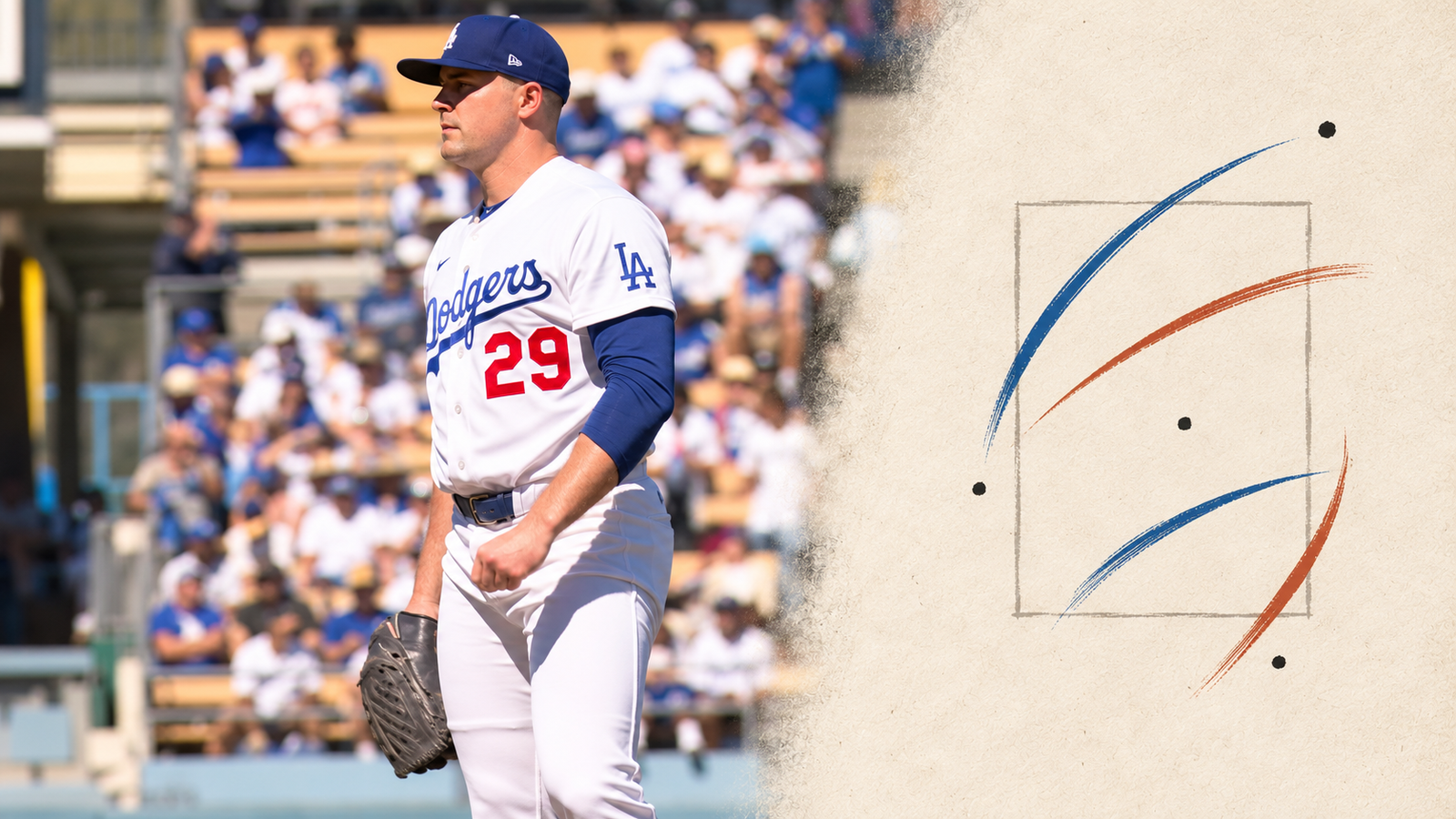
Tarik Skubal threw his changeup less often in 2026, but hitters missed it at almost the same rate when they swung. Baseball Savant’s regular-season pitch-type table lists a 25.6% changeup share and a 46.9% whiff rate, compared with 31.4% usage and a 46.8% whiff rate in 2025.
The usage difference is 5.8 percentage points, using the displayed percentages. The swing-and-miss difference is one-tenth of a percentage point. Those figures describe two separate parts of the pitch: how often Skubal chose it, and what happened when a hitter offered at it. Neither measure alone establishes whether the pitch became more effective overall.
The sample covers both of his 2026 teams
This comparison uses the complete 2025 and 2026 MLB regular-season pitch-type summaries on Skubal’s Baseball Savant page. The 2026 sample combines Detroit and Los Angeles: 16 starts for the Tigers and 10 for the Dodgers. It excludes postseason appearances, spring training and his minor-league rehabilitation work.
The listed pitch types sum to 2,356 pitches in 2026 and 2,849 in 2025. Skubal threw 603 changeups in the newer season, compared with 895 the year before. The smaller raw total partly reflects a shorter season of 26 starts and 158⅔ innings, against 31 starts and 195⅓ innings in 2025. Usage share accounts for the different overall pitch totals; simply comparing the 292 fewer changeups would miss that distinction.
| Pitch | 2025 count | 2025 share | 2026 count | 2026 share |
|---|---|---|---|---|
| Four-seam fastball | 835 | 29.3% | 896 | 38.0% |
| Changeup | 895 | 31.4% | 603 | 25.6% |
| Sinker | 681 | 23.9% | 412 | 17.5% |
| Slider | 356 | 12.5% | 327 | 13.9% |
| Curveball | 79 | 2.8% | 118 | 5.0% |
| Split-finger | 3 | 0.1% | 0 | 0.0% |
| Total | 2,849 | 100.0% | 2,356 | 100.0% |
More four-seamers changed the mix
The four-seam fastball became Skubal’s most frequently used pitch at 38.0%, up from 29.3%. His sinker share fell from 23.9% to 17.5%, while the slider and curveball occupied larger shares. The changeup consequently remained a major part of the arsenal even after losing its position as the most frequently selected pitch.
That is a description of the combined season. It does not identify when an adjustment occurred or establish that a new team caused it. A Detroit-versus-Los Angeles comparison would require separate, matching samples. Opponent handedness, counts and game situations can also affect the opportunities to select each pitch.
A stable whiff rate is only part of the result
Whiff rate measures misses as a share of swings, not as a share of every changeup thrown. A hitter who takes the pitch does not enter that swing denominator. The 46.9% result therefore means misses on approximately 47 of every 100 swings in the source’s classification, rather than misses on 47 of every 100 changeups.
Contact outcomes complicate the near-identical whiff rates. On plate appearances ending with the changeup, Savant lists an opposing batting average of .192 and slugging percentage of .308 in 2026, up from .154 and .227. Its weighted on-base average for those appearances increased from .176 to .241. A similar chance of missing a swing did not produce identical results when hitters completed their plate appearances.
The source also lists a 39.3% strikeout rate on changeup-ending plate appearances in 2026, compared with 41.5% in 2025. That uses a different denominator from whiff rate. Combining the two as if they measured the same opportunity would conceal the distinction between a missed swing and a completed strikeout.
What the comparison supports
As Skubal enters free agency, MLB’s profile describes a season that included an elbow procedure, a return and a trade. Those events provide context for the different workloads. The aggregate pitch table cannot diagnose an injury effect, explain his intent or forecast the contract he will sign.
The supported finding is narrower and useful: Skubal allocated a smaller share of his regular-season pitches to the changeup while retaining its high published swing-and-miss rate. The higher batting and slugging results keep that finding from becoming a claim that every aspect of the pitch held steady.
Sources and method
Source: Baseball Savant, MLB regular season, 2025 and 2026, all clubs combined. Counts and rounded rates are the source’s pitch-type aggregates; usage totals were independently summed. Whiff rates are reported values, not reconstructed from rounded percentages. The 2026 split-finger row is absent from the supplied table; its zero follows from the complete listed pitch-count sum, without adding a missing pitch to another type. Displayed percentage-point changes use rounded shares. This is a season study, not an individual-pitch ledger or an outing report.