

Business of Sports
Bilt Announces $300 Million Acquisition of Sports Loyalty Platform LAVA
The acquisition brings LAVA's existing relationships with 56 professional franchises into Bilt's expanding rewards and neighborhood commerce business.
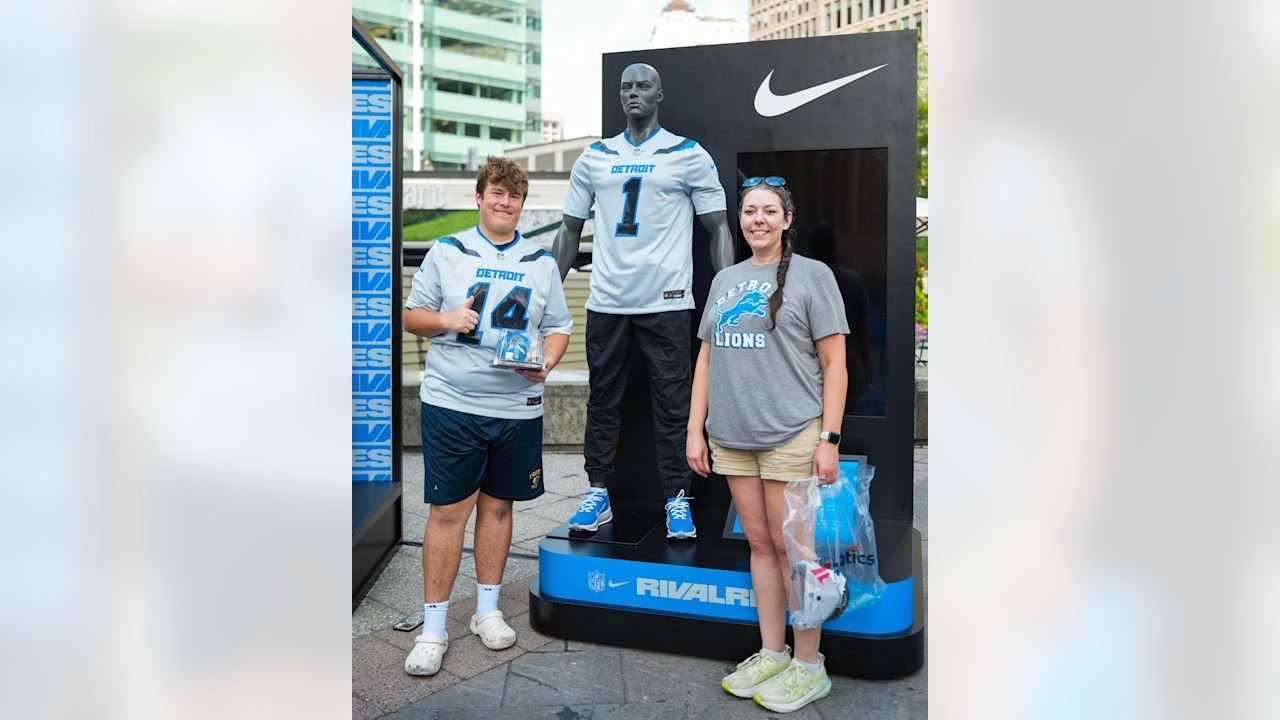
Bilt announced a $300 million acquisition of LAVA on Monday, expanding its housing rewards business into the technology that sports teams use to manage fan loyalty and spending.
The company said LAVA brings relationships with 56 professional franchises across the NFL, NBA, MLB, NHL and MLS. Named examples include the Detroit Lions, Denver Nuggets, Carolina Hurricanes and LAFC. Those are existing LAVA relationships, rather than 56 newly announced team sponsorships.
Bilt says the transaction connects that sports network with its residential communities and neighborhood merchants. Its announcement describes more than seven million members and more than 50,000 merchant partners, with LAVA technology expected to be integrated over time.
LAVA founder and chairman Vivek Ranadive, who also owns the Sacramento Kings, presented the combination as a way to connect team loyalty with everyday neighborhood activity. Bilt founder Ankur Jain similarly emphasized extending fan relationships beyond venues.
LAVA describes its existing platform as a system for coordinating customer engagement across ticketing, point of sale, mobile applications and other touchpoints. Its website says an artificial intelligence engine personalizes interactions in real time, while integrations connect the platform to payment and infrastructure systems.
A single fan may buy tickets through one provider, pay for food through another and receive offers inside a team application. That helps explain the business being acquired. A ticket purchase, concession transaction and mobile interaction can sit in separate systems. Customer engagement software gives organizations tools to coordinate those encounters and deliver relevant benefits, rather than treating every transaction as an isolated visit.
For sports organizations, the commercial question is whether connections between stadium activity and neighborhood businesses can create useful experiences that fans continue using between games. The acquisition announcement establishes the transaction value and strategy; it does not demonstrate future adoption, higher revenue or guaranteed savings for supporters.
Sources and notes
More from The Sporting Page
 Business of Sports
NFL’s Paris Debut Drew 7.7 Million Viewers Ahead of Madrid Finale
 Business of Sports
College Sports Commission Publishes First Detailed Athlete Pay Tables
 Business of Sports