October 7
Five moments from the record books, with the photographs and numbers behind them.
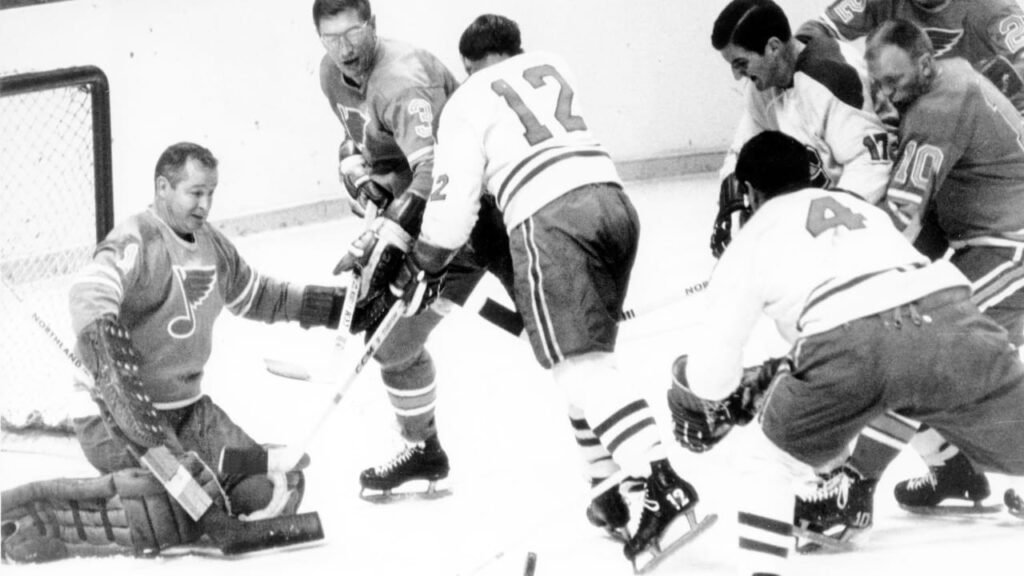
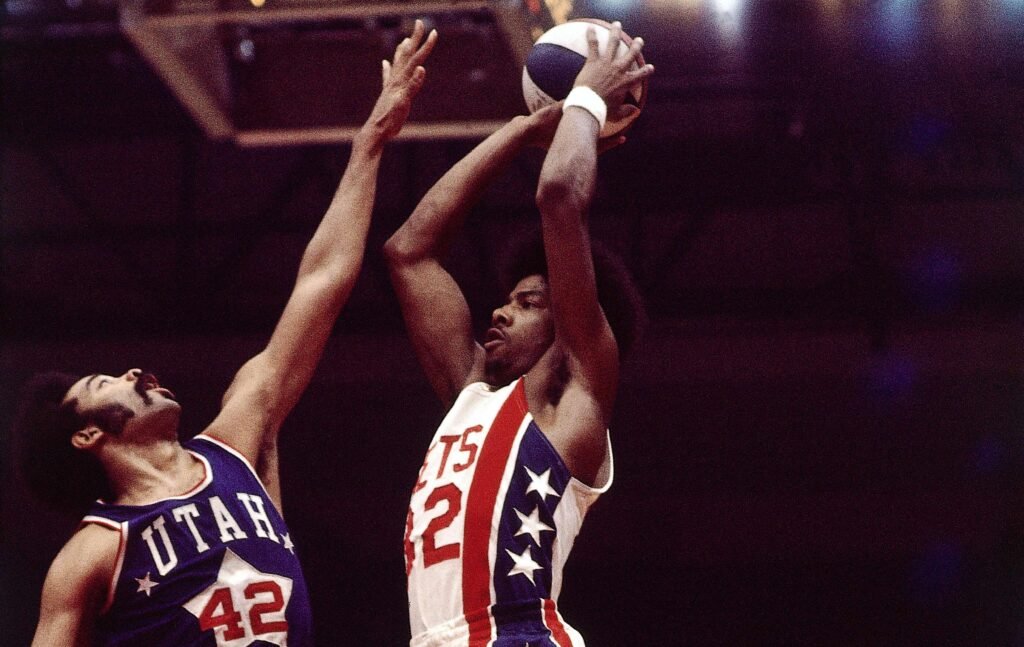
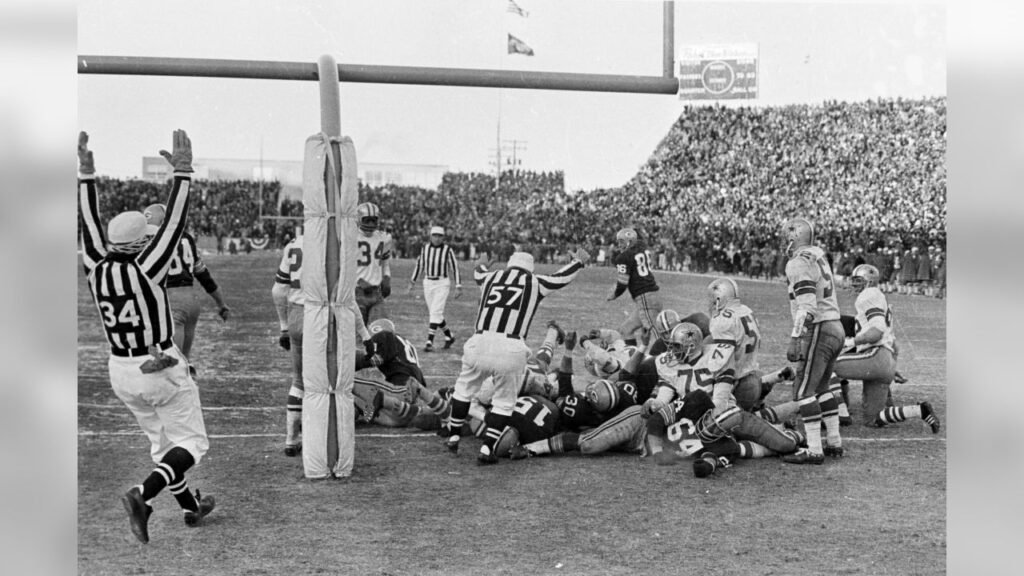
October 7 connects an extraordinary college football score with a change in the NFL rushing record. It also marks Tampa Bay’s NHL debut and, in 2001, baseball milestones on the same date in San Francisco and San Diego. These five accounts keep each event in its own setting.
Georgia Tech’s 222–0 afternoon
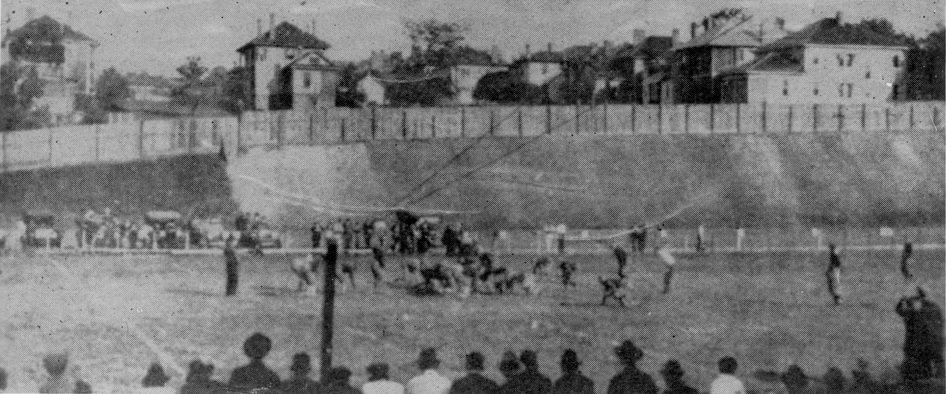
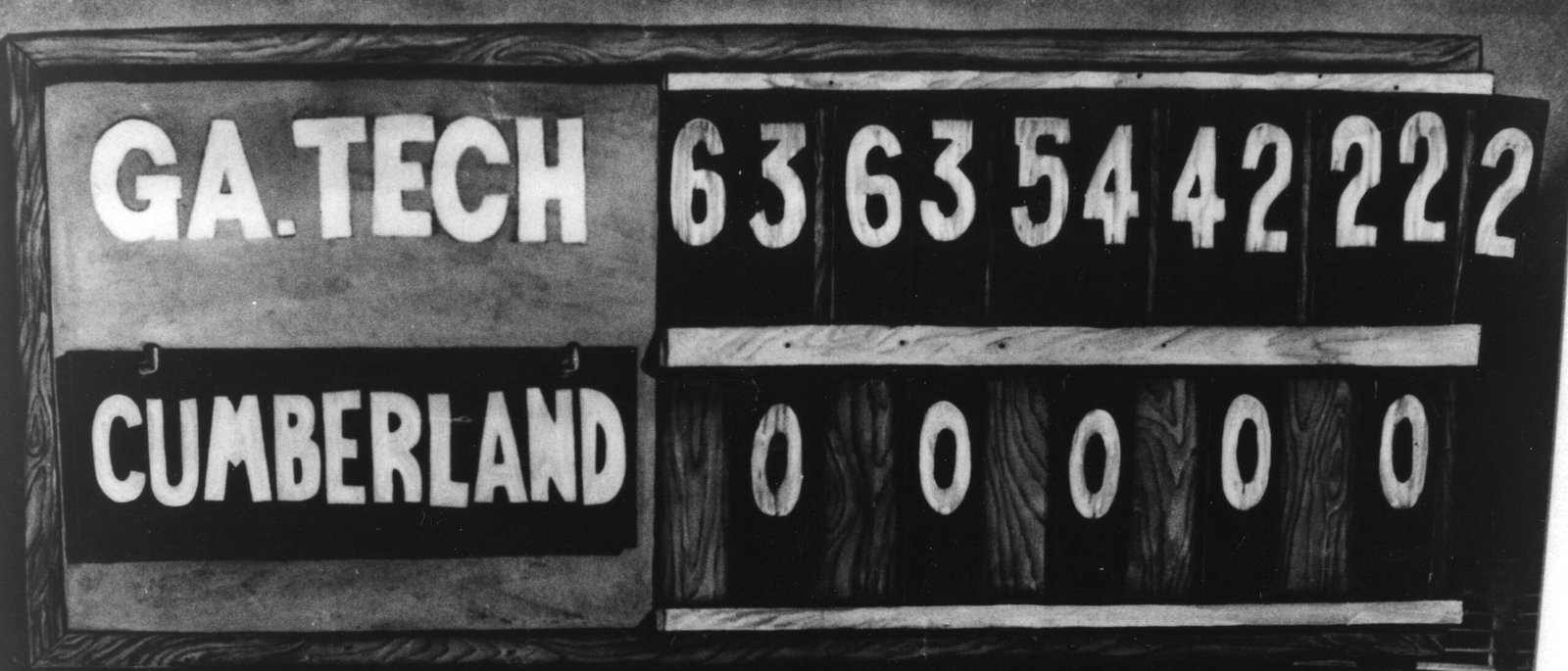
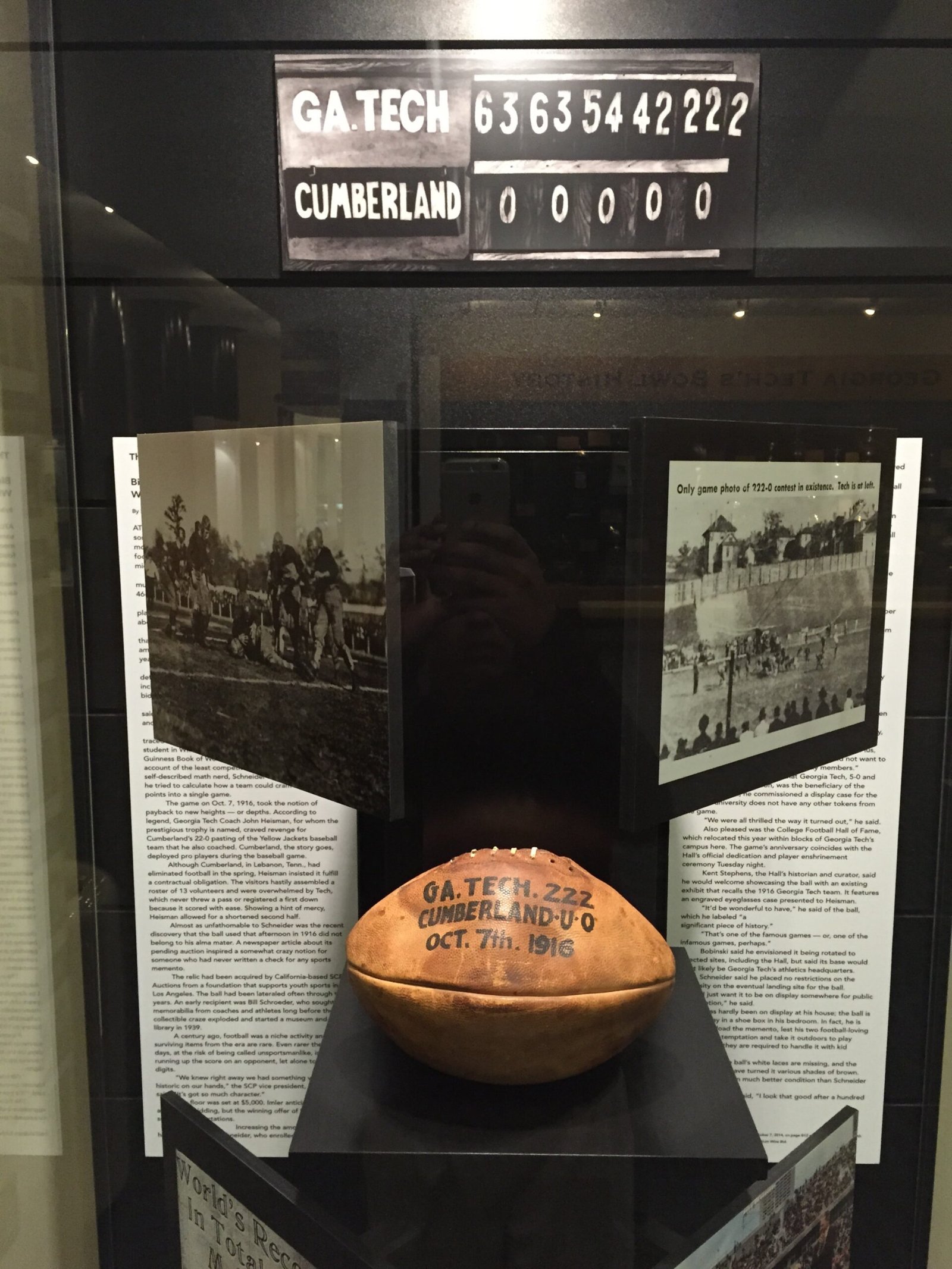
Georgia Tech beat Cumberland 222–0 at Grant Field in Atlanta on October 7, 1916. John Heisman’s team had scored 63 points by the end of the first quarter and led 126–0 at halftime. The result belongs to the early history of college football, before the game’s modern television audience and national championship structure.[1]
The familiar score has accumulated stories about why Heisman kept his team attacking. Later accounts connect it to his belief that Cumberland had used professional players in a baseball game against Tech. That explanation is a later historical account, and should be kept distinct from the documented football score.[1]
The people behind the score
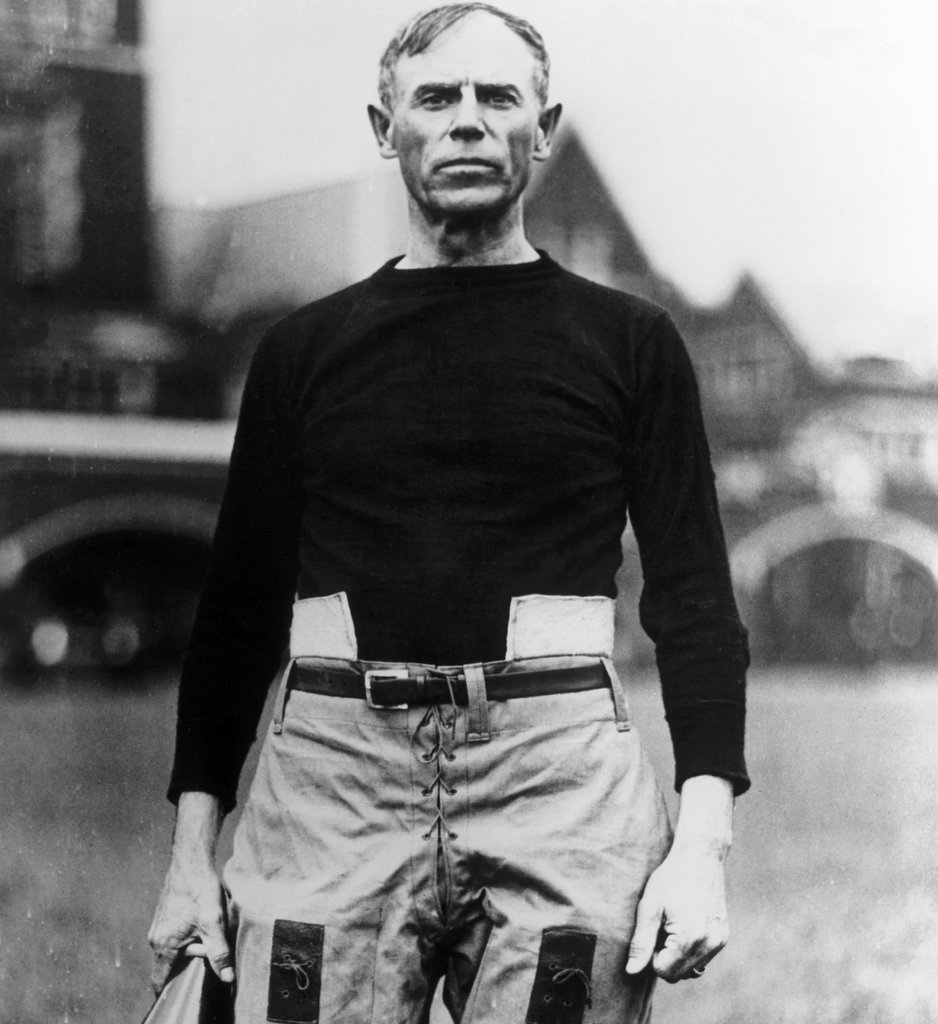
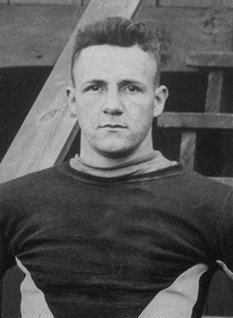
A surviving object gives the game a history beyond the numbers. In 2014, Georgia Tech graduate Ryan Schneider bought the Cumberland game ball at auction and arranged its return to the school. Tech’s announcement described plans to display it in the athletic association museum, bringing an artifact of the 1916 game back to the institution that won it.[2]
The scoreboard and the surviving ball
Sweetness passes Jim Brown
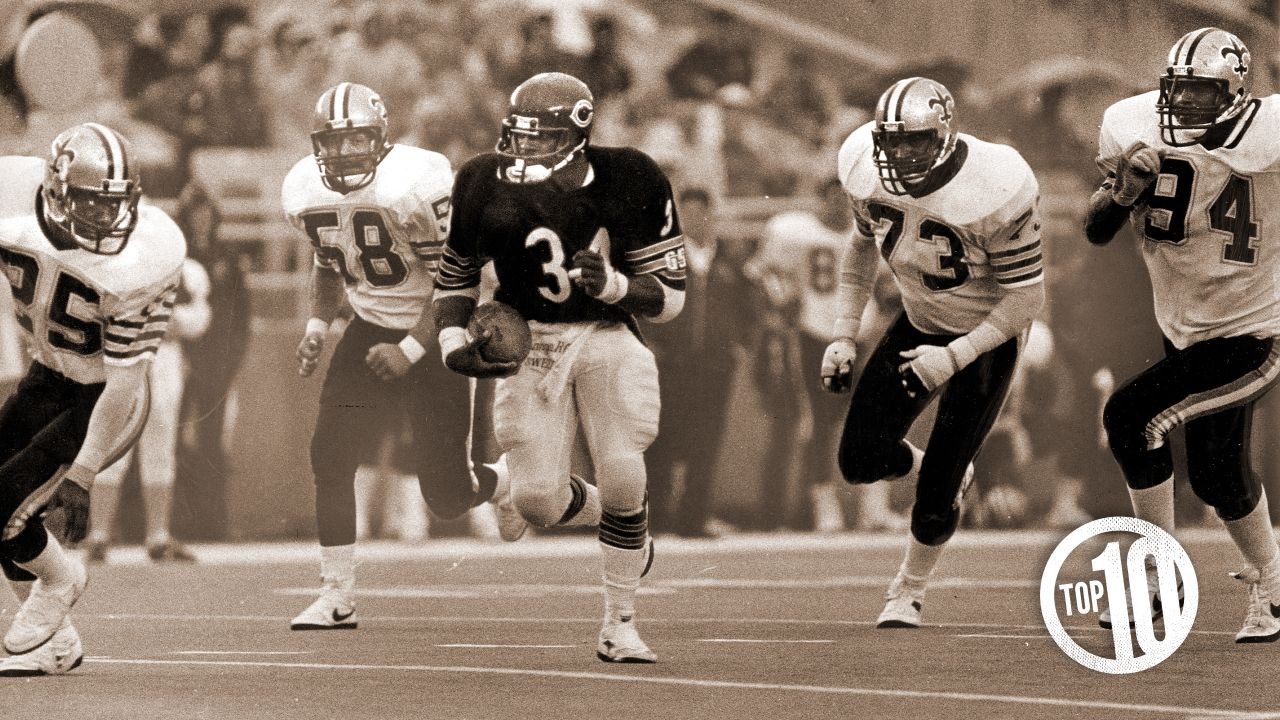
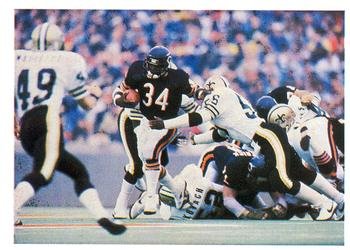
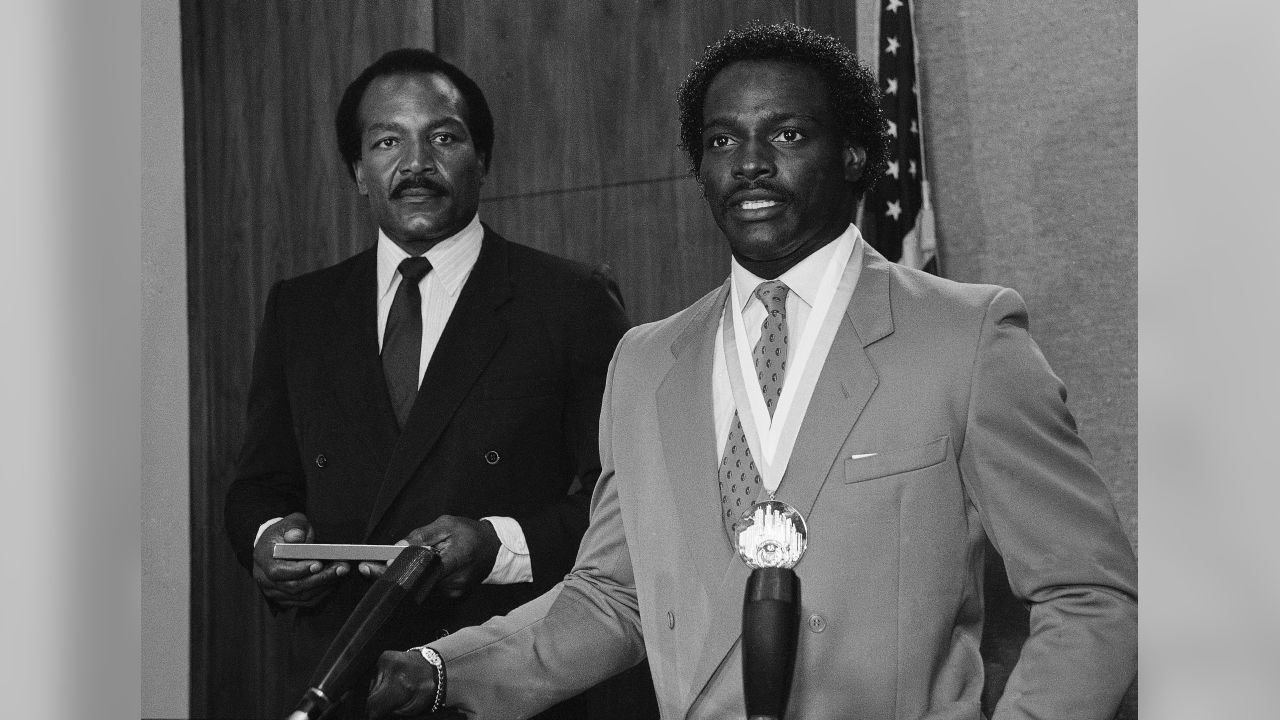
Walter Payton became the NFL’s career rushing leader against the New Orleans Saints at Soldier Field on October 7, 1984. Jim Brown’s mark was 12,312 yards. Early in the third quarter, Payton took a pitch to his left and gained six yards to move past it. The game stopped while his teammates and the crowd celebrated.[3]
The record came in Payton’s tenth NFL season. Chicago had selected him fourth overall in the 1975 draft, and his career was already marked by unusual durability: the Pro Football Hall of Fame records that he missed only one game in his first 12 seasons, during his rookie year.[3]
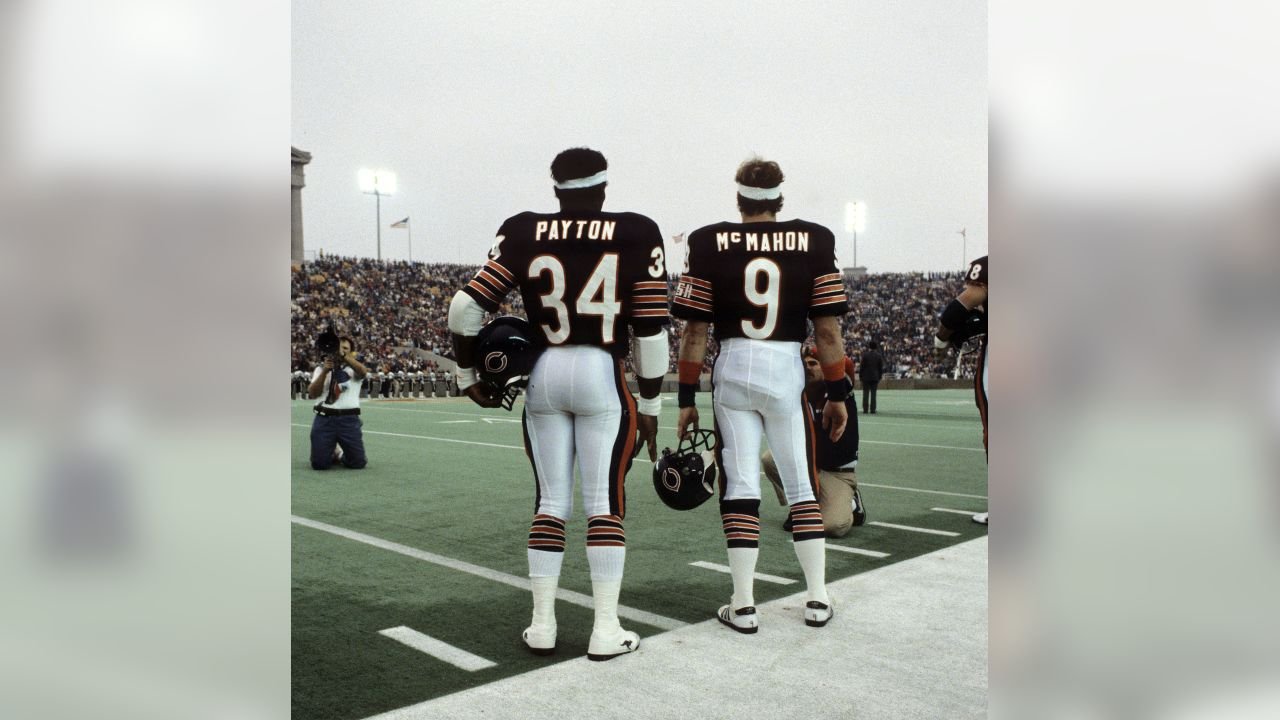
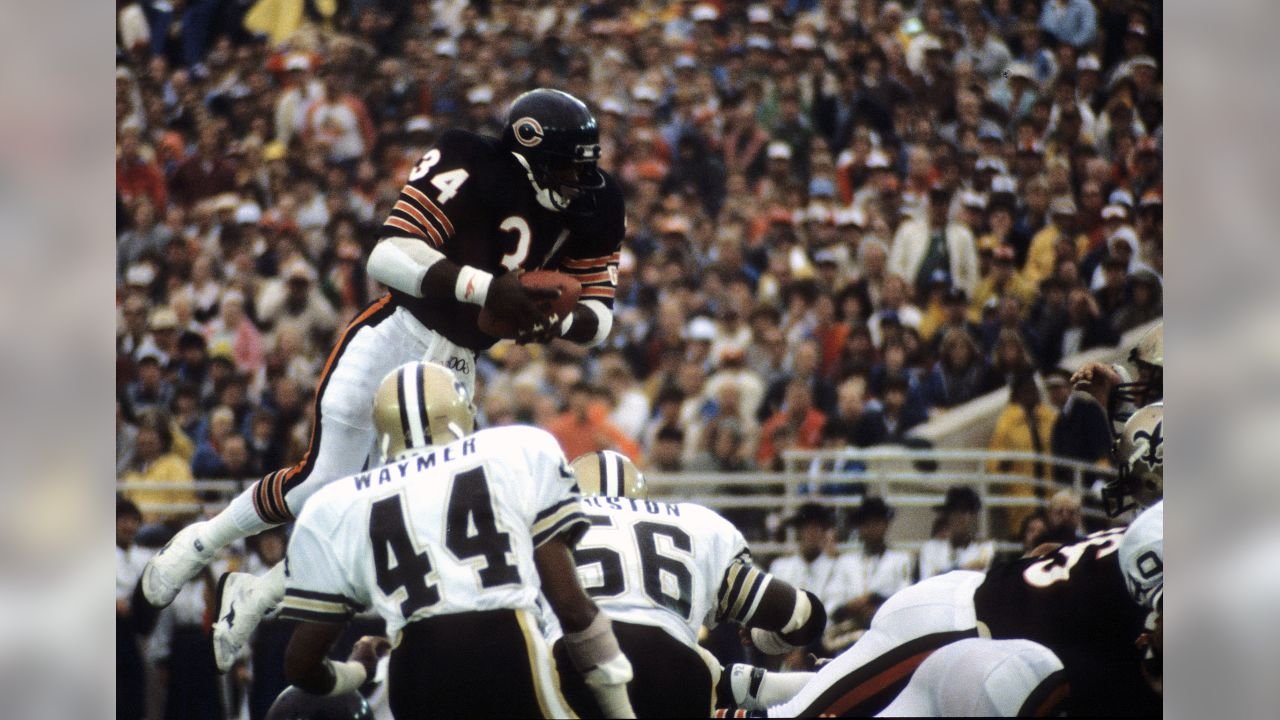
Payton finished the Saints game with 154 rushing yards and a touchdown as the Bears won 20–7. He went on to win a Super Bowl with the 1985 team and retired after the 1987 season with 16,726 rushing yards. October 7 marked the change in the career record’s ownership; his remaining seasons extended the total.[3]
Record and recognition
Four goals to introduce the Lightning
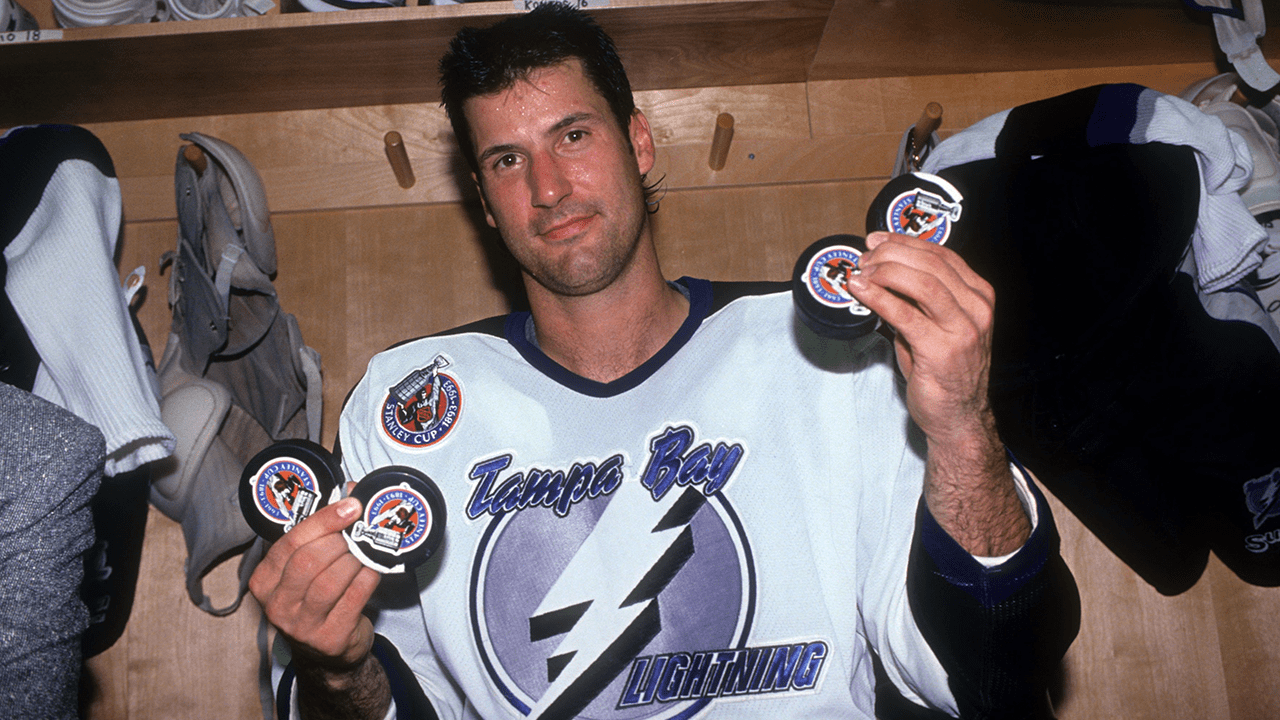
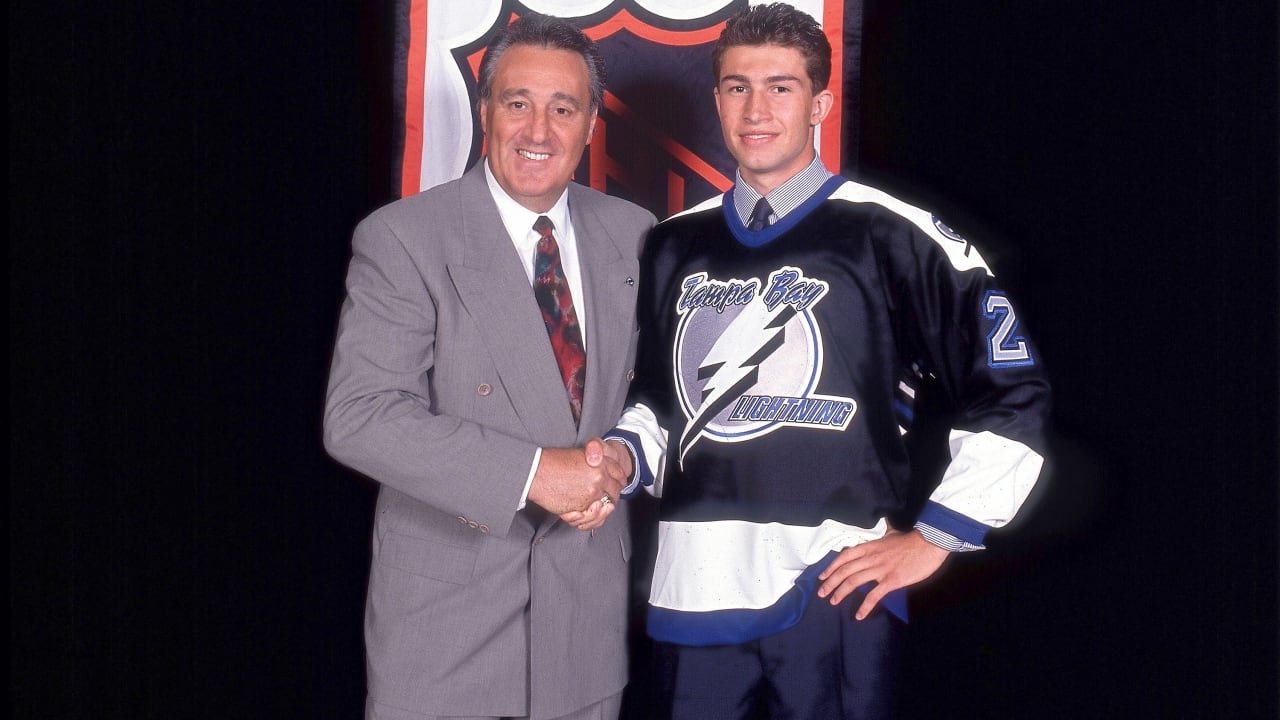
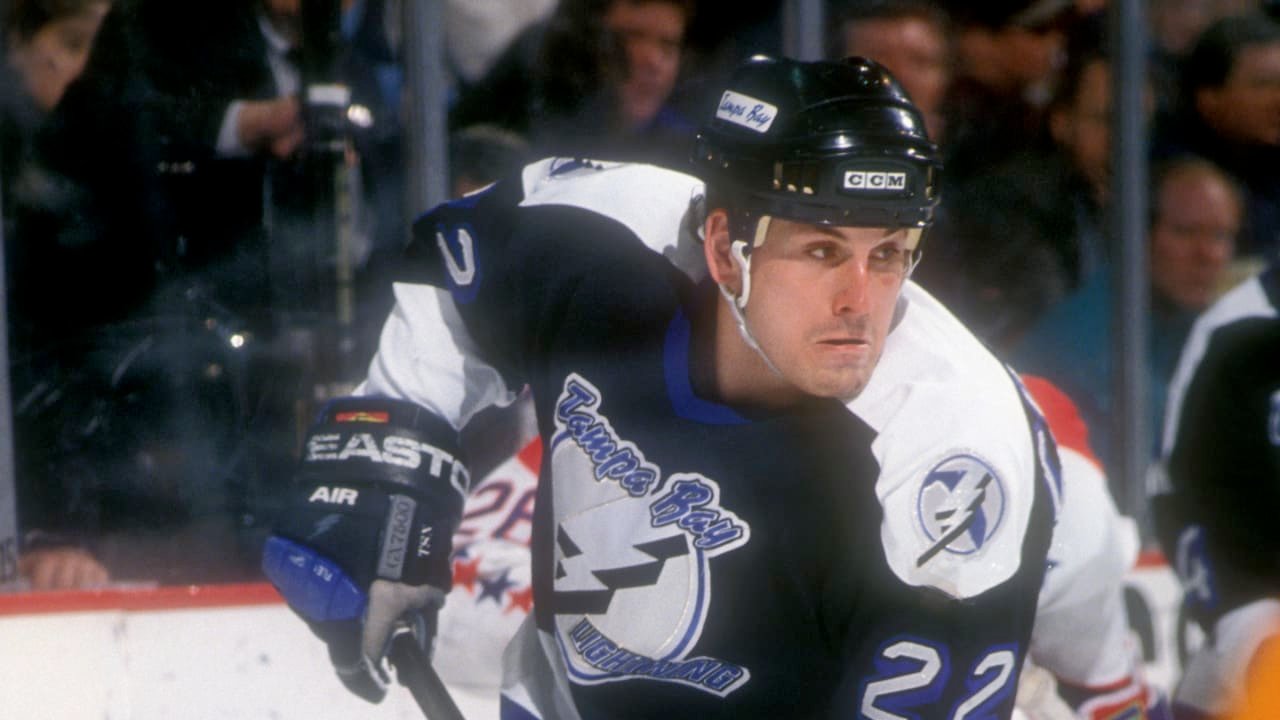
The Tampa Bay Lightning opened their NHL history with a 7–3 win over the Chicago Blackhawks at Expo Hall on October 7, 1992. Chris Kontos scored four of Tampa Bay’s goals against Ed Belfour, beginning with the first two goals in franchise history.[4]
Both opening goals came on the power play, at 4:43 and 5:41 of the first period. They were separated by 58 seconds. Anatoli Semenov, Ken Hodge and Marc Bergevin also scored before intermission, leaving the new club ahead 5–1 after its first NHL period.[5]
Building Tampa Bay’s first team
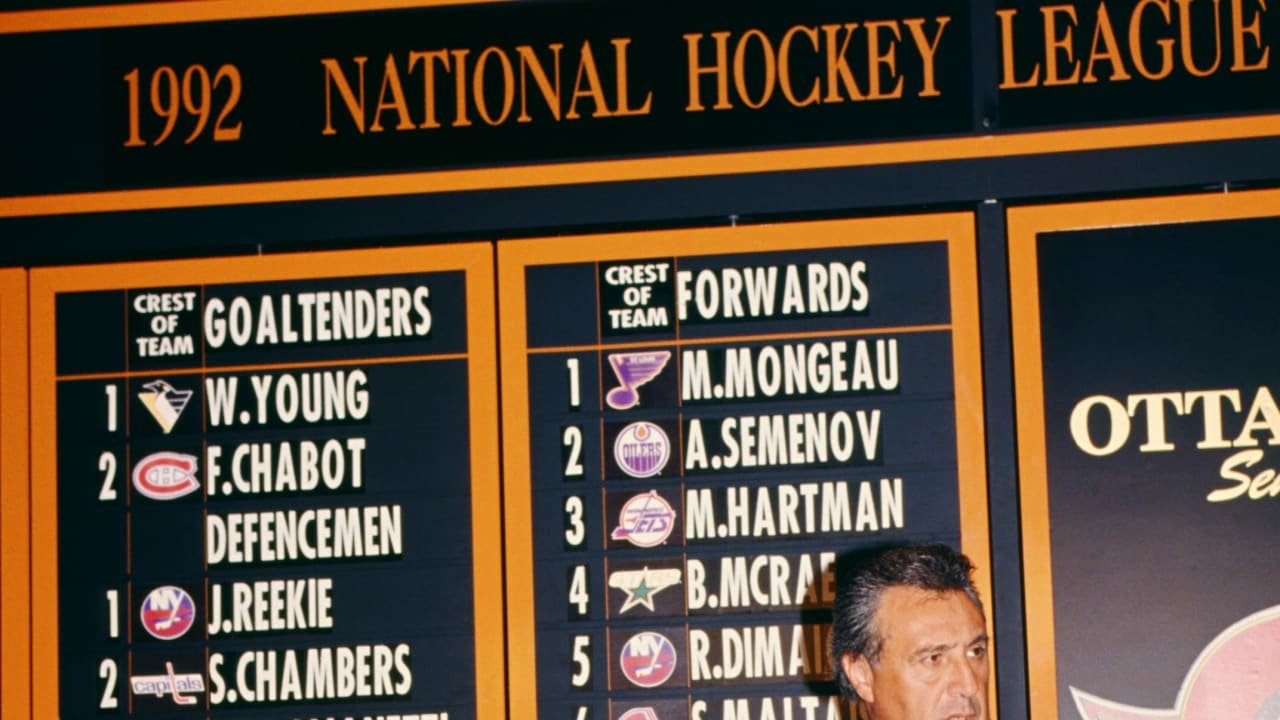
Kontos completed his hat trick at 11:33 of the second period, then added another power-play goal at 19:32. The Lightning led 7–2 going into the third. Joe Reekie finished with four assists, and Wendell Young was the winning goaltender. Chicago scored once more in the final period, but the debut belonged to Tampa Bay.[5]
Early Lightning
Four goals in the first two periods
Times show elapsed time in the period. Source: NHL official scoring record.
Bonds closes the season at 73
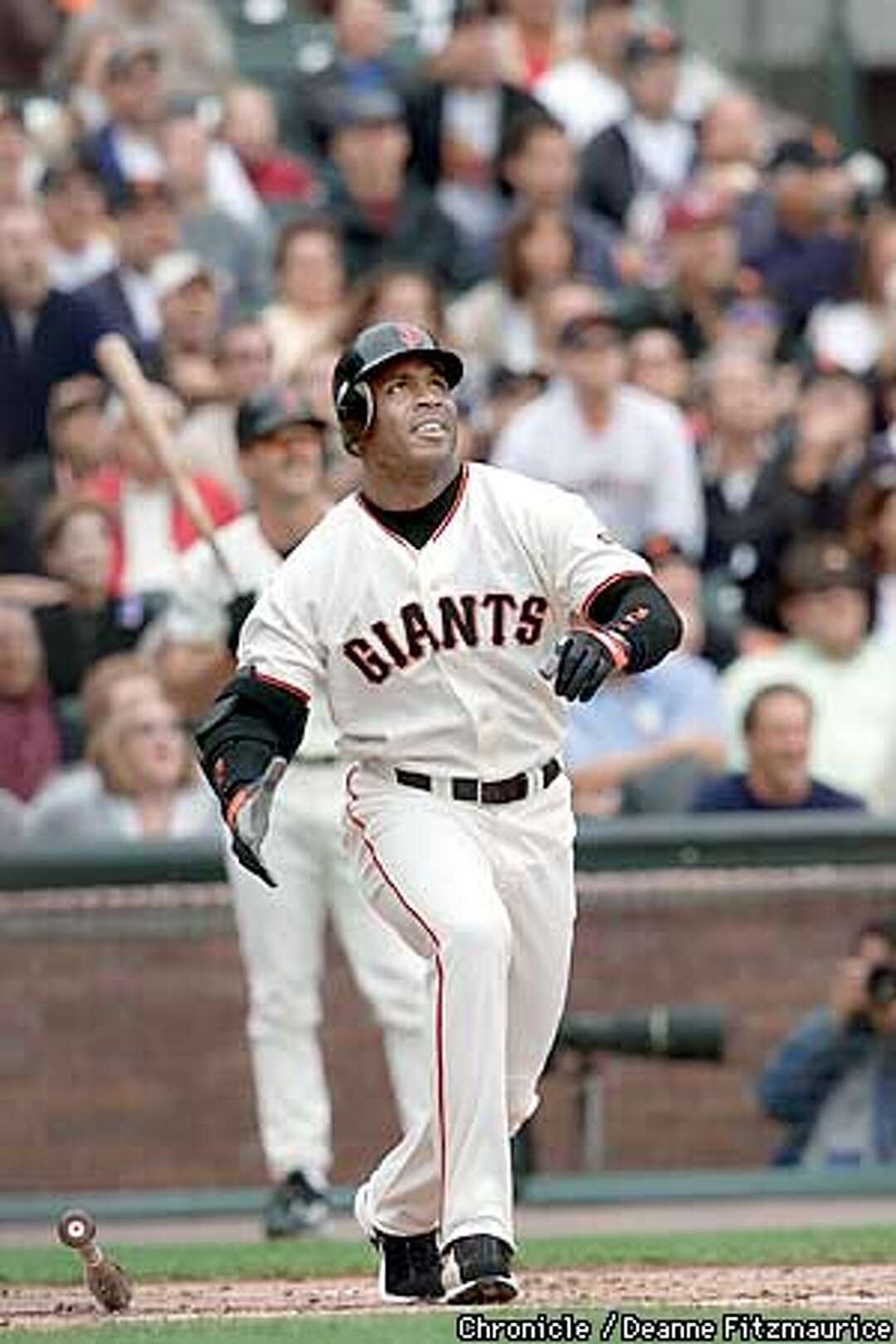
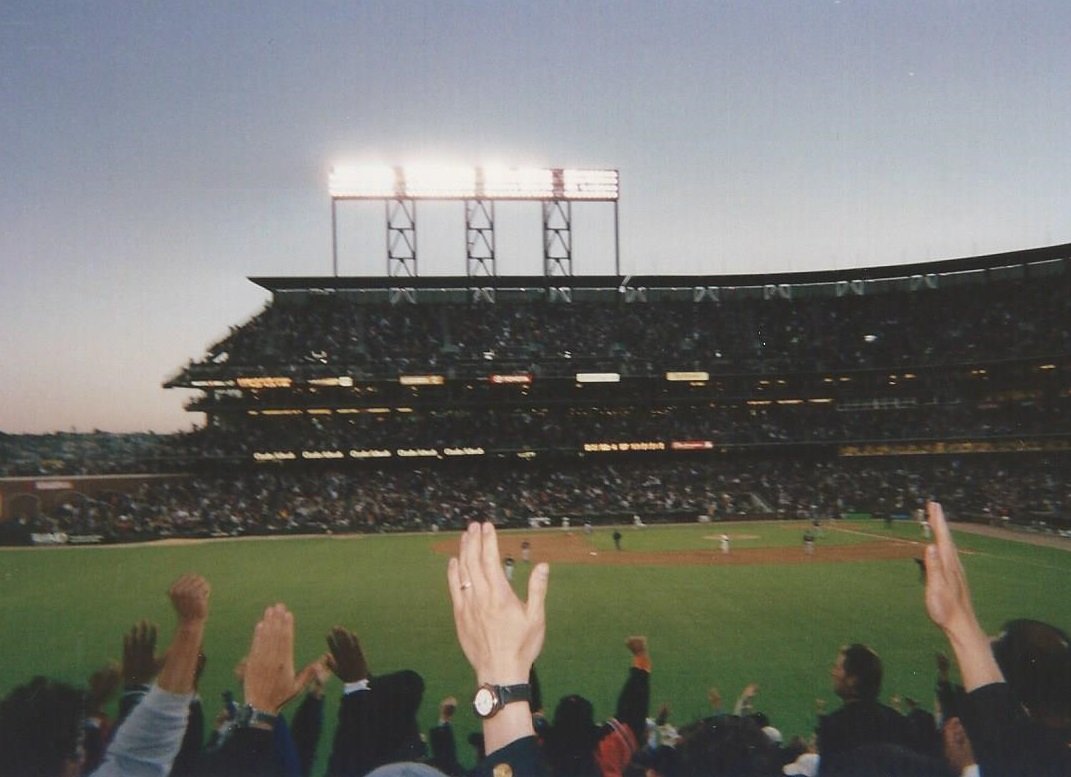
Barry Bonds hit his 73rd home run of the season on October 7, 2001, the final day of the regular season. The solo homer came off Dodgers pitcher Dennis Springer in the first inning at Pacific Bell Park. It supplied the final number for a record Bonds had already broken two days earlier.[6]
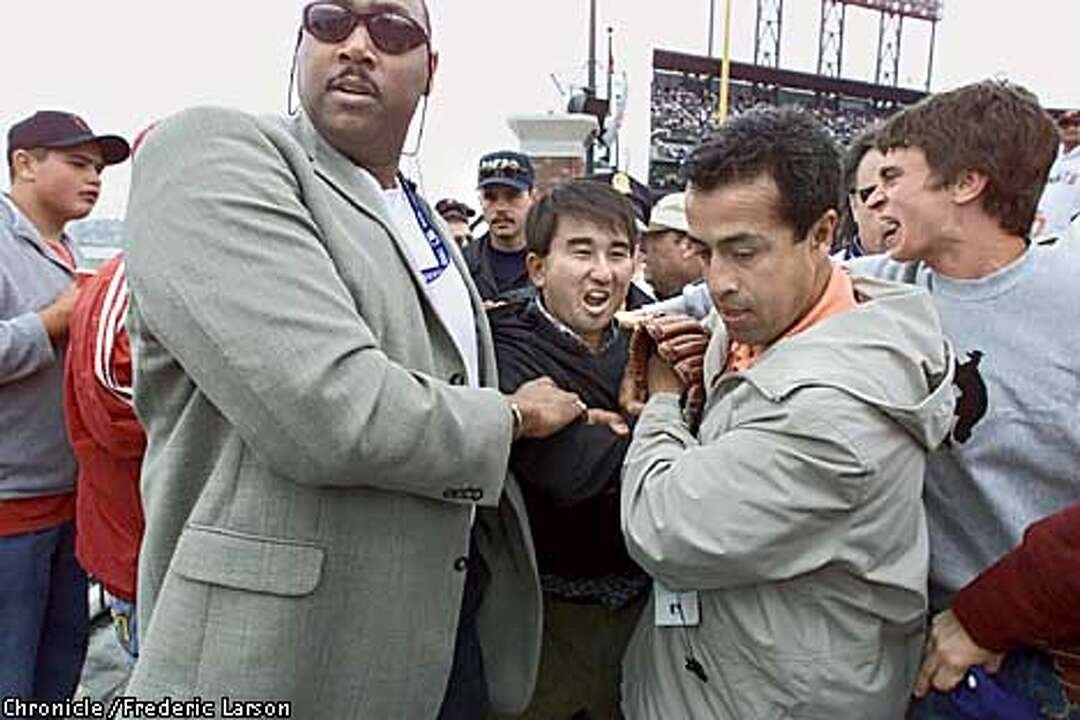
Mark McGwire had set the previous single-season mark with 70 home runs in 1998. Bonds tied that total on October 4, hit Nos. 71 and 72 on October 5, and finished with 73 on October 7. The distinction matters: this anniversary marks his last homer of the season, while October 5 marks the day he first passed McGwire.[7]
The record weekend
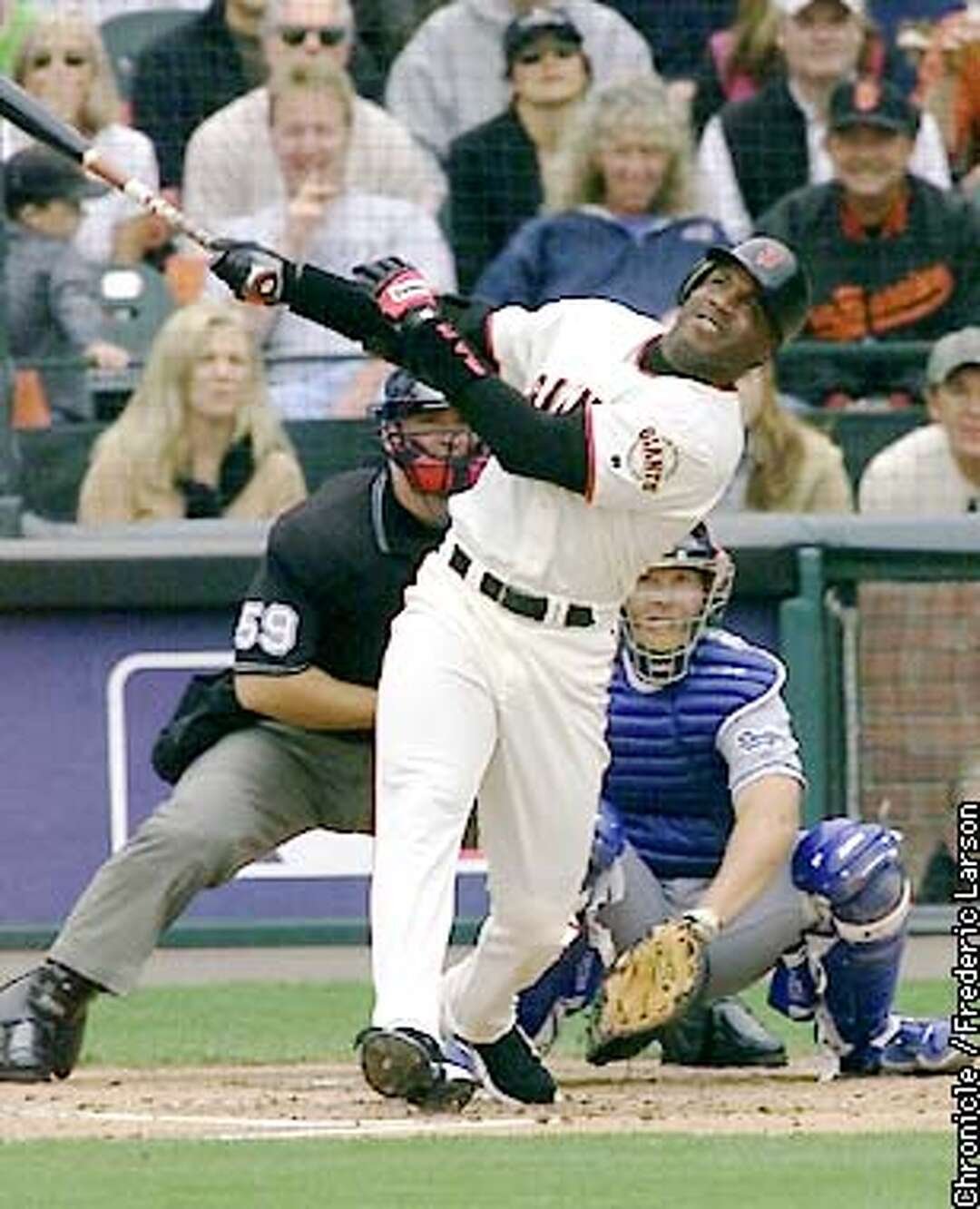
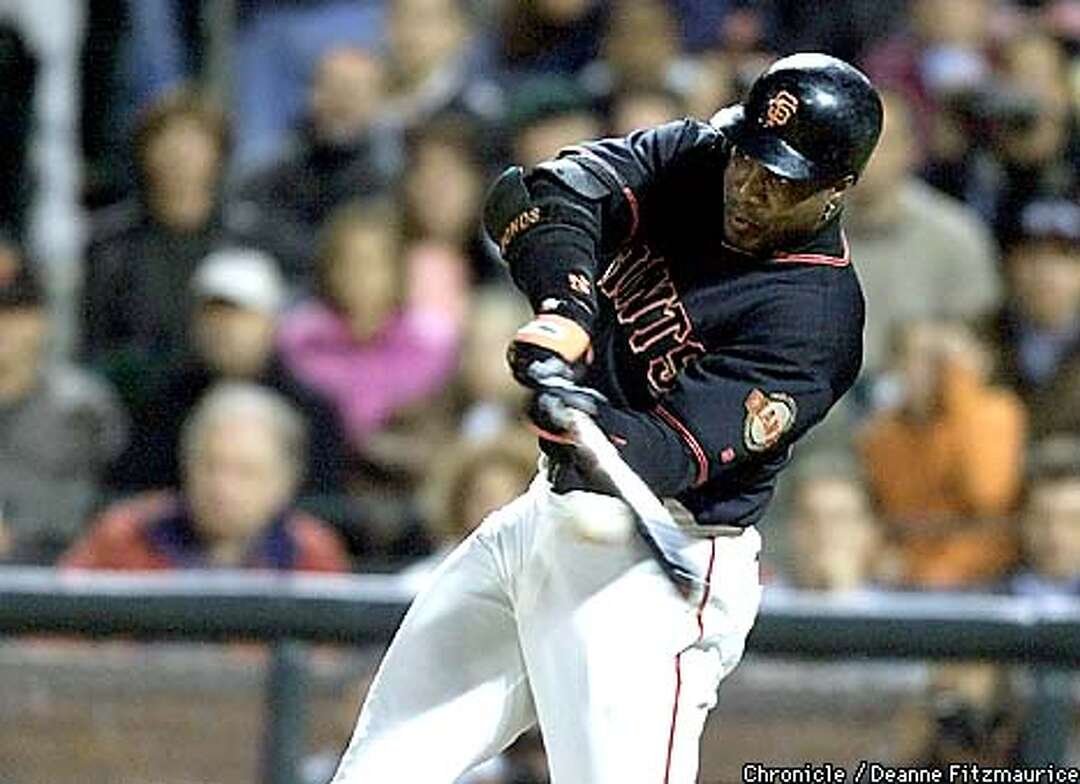
The home-run total was part of a season in which Bonds also drew 177 walks and slugged .863. San Francisco missed the playoffs, so the Dodgers game closed his season without a postseason appearance. His final home run left the single-season mark three above McGwire’s.[6]
The season and the ball
Where the record stood
Bars begin at zero and share a 73-home-run scale. Source: Baseball History’s season account.
Rickey’s milestone, Tony’s farewell
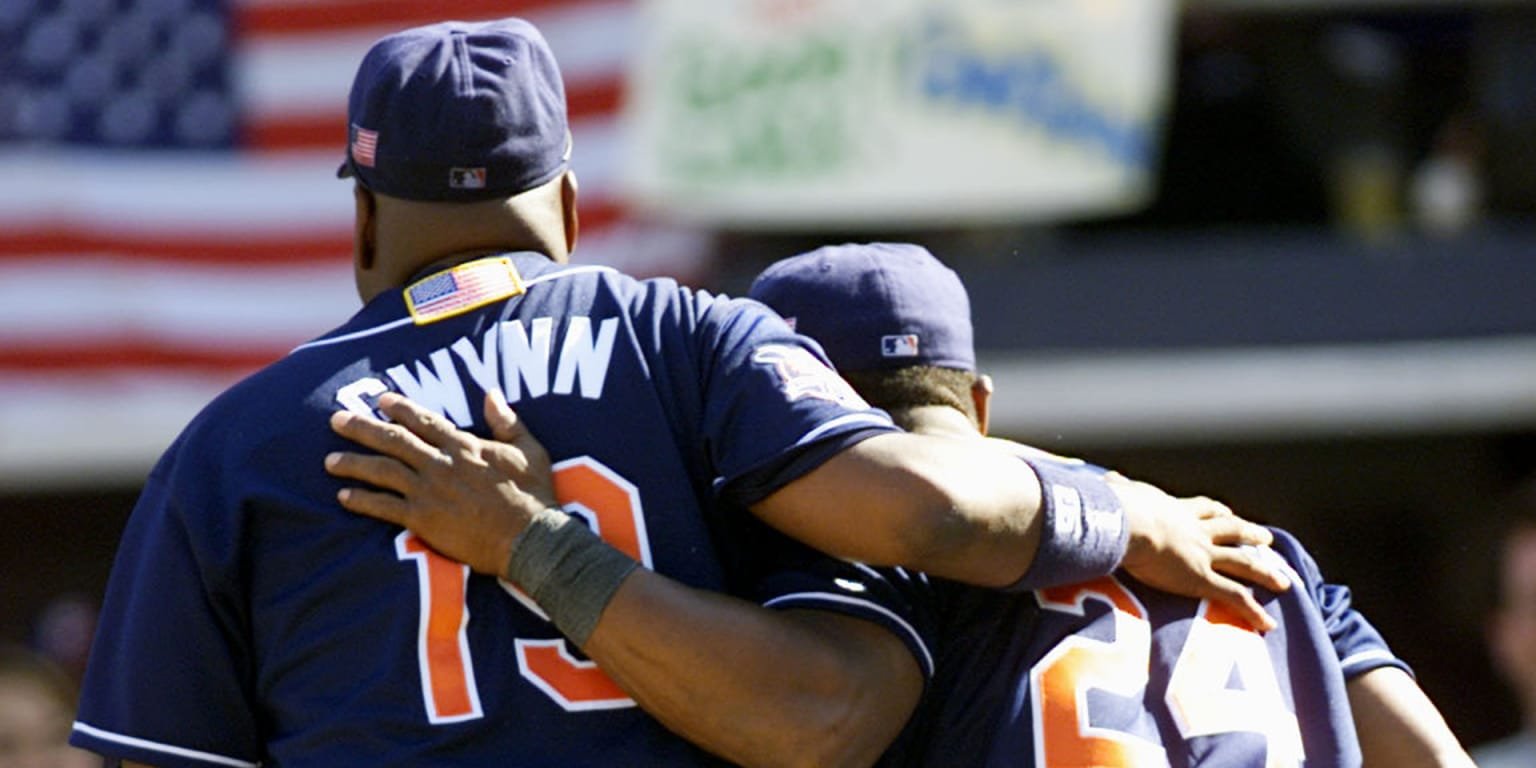
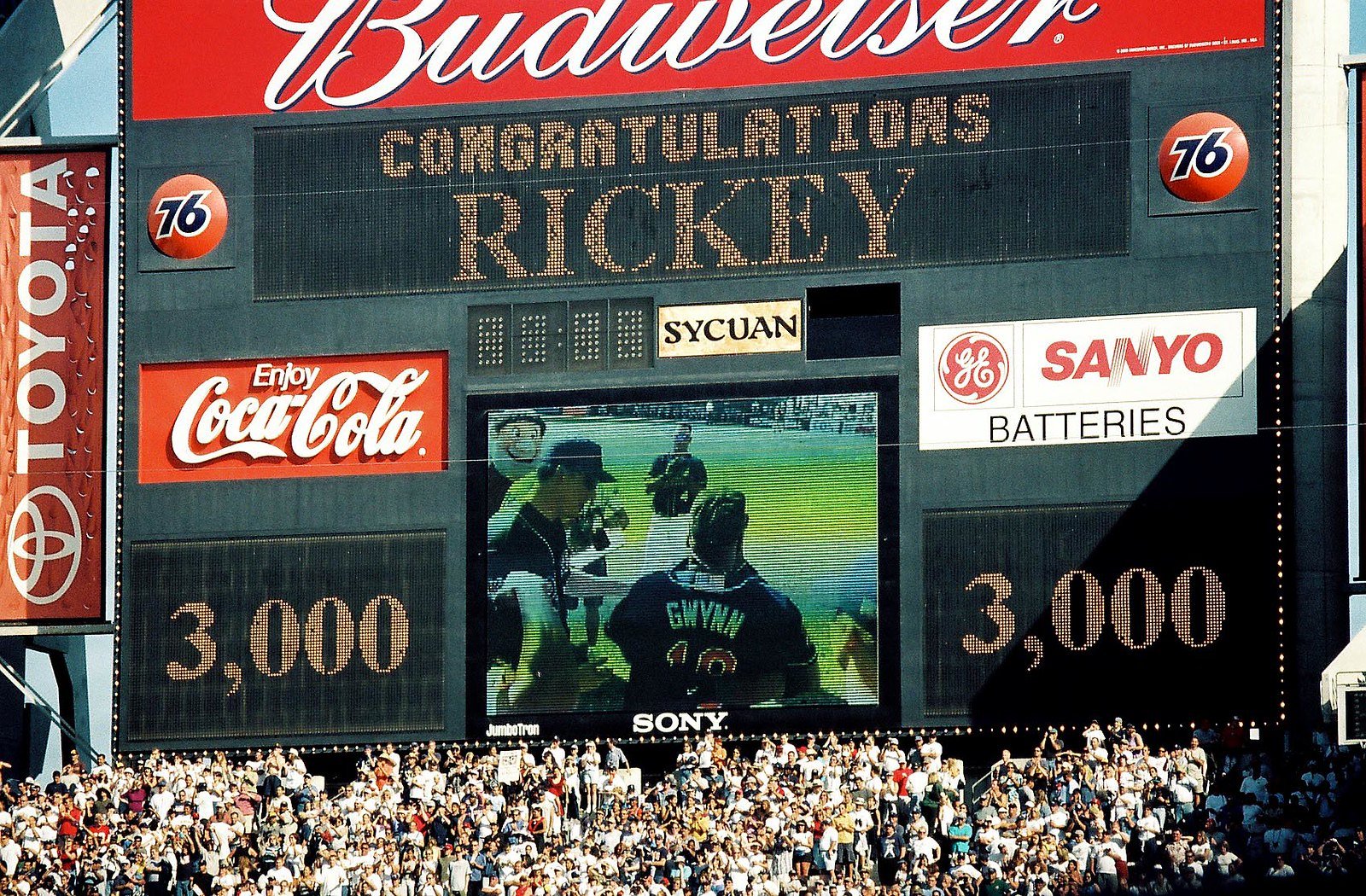
Rickey Henderson collected his 3,000th major-league hit in Tony Gwynn’s final game on October 7, 2001. At Qualcomm Stadium in San Diego, Henderson doubled on Colorado starter John Thomson’s first pitch in the bottom of the first inning. The game paused for a brief ceremony.[8]
Henderson had offered to sit out so the afternoon could belong to Gwynn. SABR’s account preserves Gwynn’s later recollection that he insisted Henderson play.[8]
October 7, 2001, in San Diego
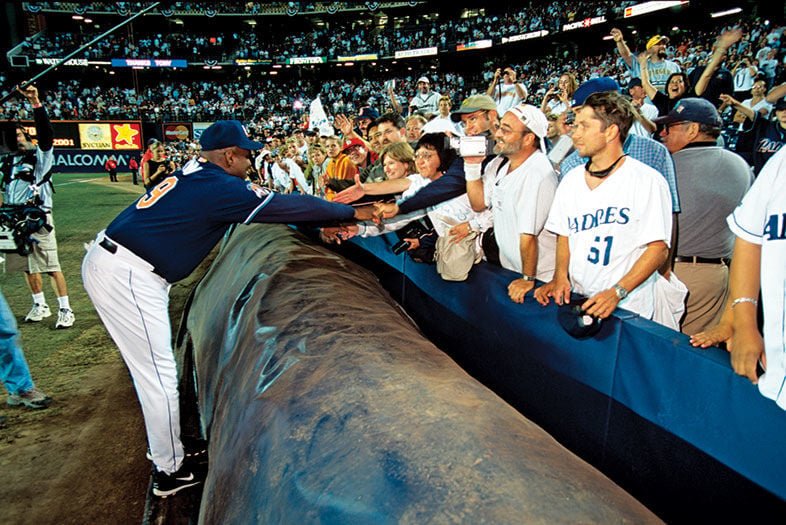
An injured right knee kept Gwynn out of the starting lineup. With one out in the ninth, Bruce Bochy sent him up as a pinch hitter. Gwynn grounded out to shortstop Juan Uribe in his final major-league plate appearance. Colorado won 14–5 before a crowd of 60,103.[8]
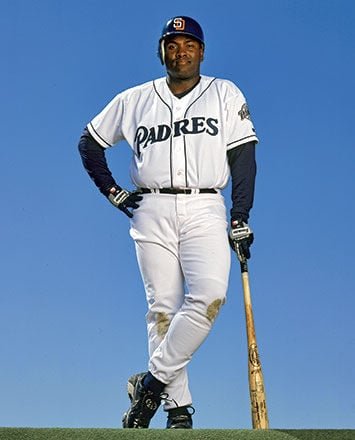
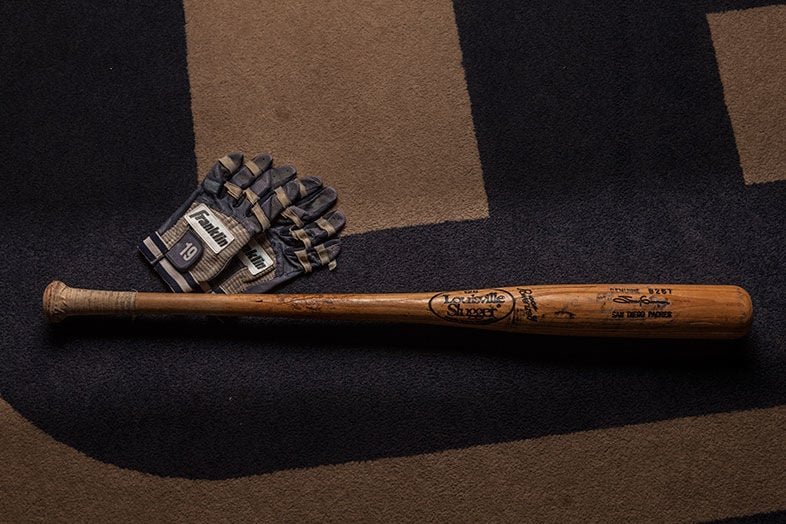
Gwynn’s 20-year career ended with 3,141 hits and a .338 batting average.[8] The National Baseball Hall of Fame records that he spent all 20 seasons with San Diego.[9] Henderson became the 25th player to reach 3,000 hits, sharing that milestone day with the last appearance of Mr. Padre.[8]
Mr. Padre’s career
Sources and notes
- HISTORY.com Editors, Georgia Tech–Cumberland account. Score, venue and first-half scoring; motive is identified as a later historical explanation.
- Georgia Tech Athletics, 2014 announcement of the Cumberland game ball’s return. Confirms date, coach, score and the artifact’s acquisition.
- Pete Fierle, Pro Football Hall of Fame, “Bittersweet”; Chicago Bears’ record-run account and the archival card record. Payton’s career, third-quarter run and game totals.
- NHL.com, October 7 history. Establishes Tampa Bay’s debut and Kontos’ four-goal performance.
- NHL official game record, Chicago at Tampa Bay, October 7, 1992, game 1992020009. Score, period totals, goal times, strengths, assists and winning goaltender.
- Baseball History, “Barry Bonds Finishes at 73.” Final homer, pitcher, inning, season statistics and playoff context.
- MLB, Barry Bonds’ official 2001 game log. Late-season home-run dates and totals.
- Frederick C. Bush, SABR Games Project, October 7, 2001. Game reconstruction and Gwynn’s later recollection.
- National Baseball Hall of Fame, Tony Gwynn player record. Career statistics and 20 seasons with San Diego.
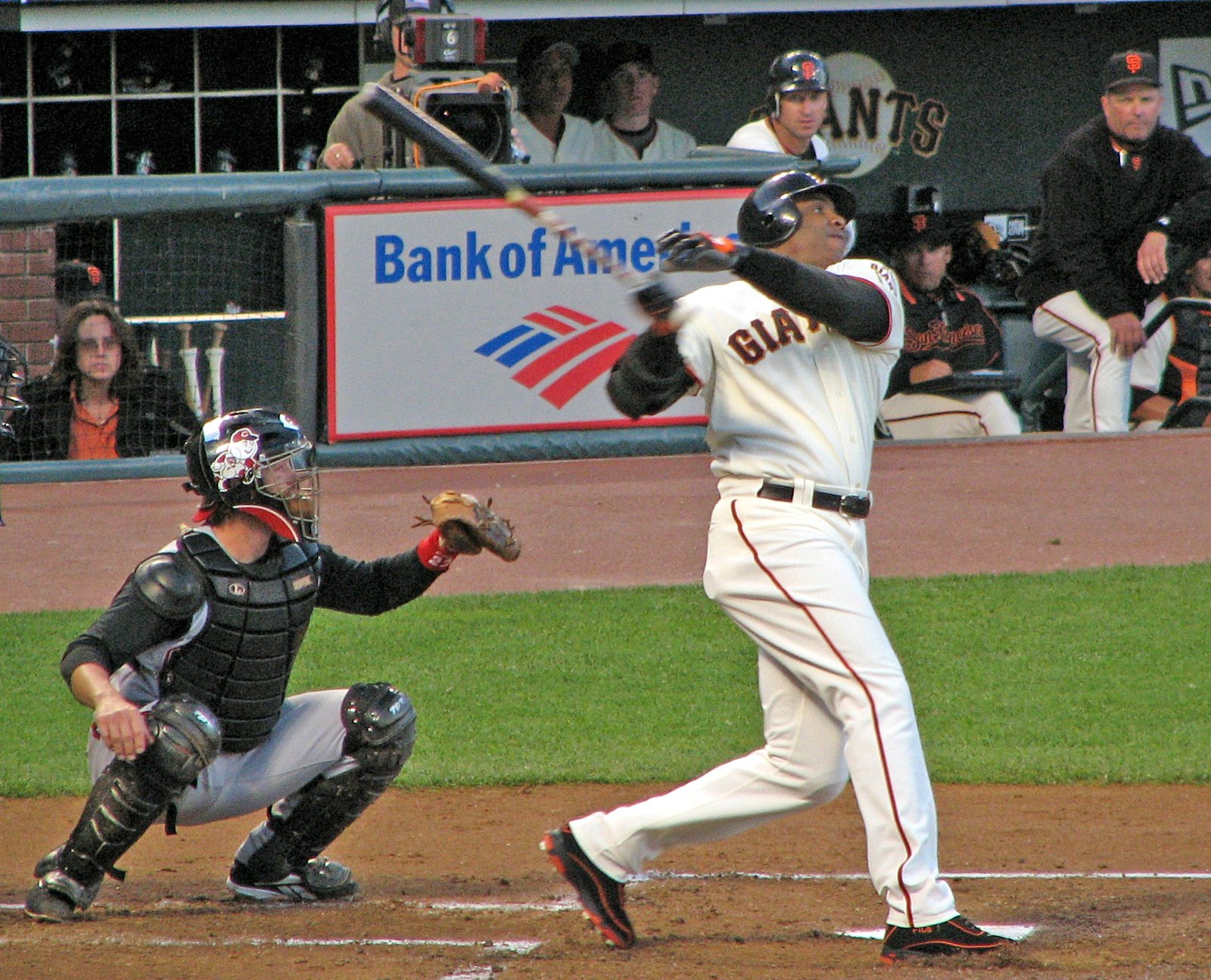
The cover shows Barry Bonds on August 25, 2006. The chapter includes photographs of his 2001 season and 73rd home run. Cover: Kevin Rushforth / Wikimedia Commons · CC BY-SA 2.0. The original photographs have not been altered; site cards may crop them to fit. Captions identify archival images and their source dates where established.
Explore more researched sporting moments in The Sporting Page’s History department.