ATLANTA | Colorado’s season opener came down to two decisive plays inside the final 37 seconds.
Julian Lewis completed a 20-yard touchdown pass to Charlie Williams with 37 seconds remaining, finishing an eight-play, 75-yard drive that moved the Buffaloes ahead 14-13. Georgia Tech responded on its next snap with Alberto Mendoza’s 42-yard completion to Dalen Penson, advanced to the Colorado 27 and sent Aidan Birr out for a 45-yard attempt. Boo Carter came off the edge and blocked the kick as time expired.
The finish changed the result, but it should not change how the full performance is evaluated. Colorado rushed for 183 yards, held Georgia Tech to 51 on the ground, possessed the ball for 34:09 and did not commit a turnover. The Buffaloes also passed for only 124 yards, failed to score after reaching the Georgia Tech 1 and allowed a 100-yard kickoff return.
Week 1 supplied real evidence of a workable on-field identity, along with clear warnings about how narrow the margin can become when the passing game and special teams are uneven.
The game before the finish
Carter created Colorado’s first major opportunity by recovering Jordan Allen’s fumble at the Georgia Tech 26. The Buffaloes reached the 1 but were stopped on fourth down, an early example of a possession that produced control without points.
Colorado broke through early in the second quarter after taking over at the Georgia Tech 35. Micah Welch carried on four consecutive plays and finished the drive with a 5-yard touchdown. The lead lasted only 14 seconds because Rahkeem Smith returned the ensuing kickoff 100 yards. Birr later added a 22-yard field goal, sending Georgia Tech into halftime ahead 10-7.
Neither offense scored in the third quarter. Colorado then put together a 17-play, 61-yard possession that consumed 9:07, but Georgia Tech blocked a 38-yard field-goal attempt. The Yellow Jackets followed with a 13-play drive and Birr’s 29-yard kick, extending the lead to 13-7 with 1:40 remaining.
Lewis answered with his best possession of the night. He completed four of six passes for 60 yards on the winning drive. Joseph Williams moved the chains twice, DeKalon Taylor added a 16-yard run and Charlie Williams finished the series from 20 yards out.
The repeatable part of Colorado’s performance
The run game gave Colorado a stable foundation. Damian Henderson II led the Buffaloes with 65 yards on 12 attempts, Welch added 58 and a touchdown on 13 carries, and JaQuail Smith supplied 42 on 10. Together, the three backs produced 165 yards on 35 carries.
That work helped Colorado run 76 plays to Georgia Tech’s 54 and maintain possession for more than eight additional minutes. The Buffaloes finished with 21 first downs, converted seven of 17 third downs and two of three fourth downs, and protected the ball despite two team fumbles.
The defensive front provided the strongest reason for optimism. Georgia Tech averaged only 1.7 yards on 30 rushing attempts and did not score an offensive touchdown. Lamont Lester Jr. recorded all three Colorado sacks, totaling 3.5 tackles for loss and two quarterback hurries. Randon Fontenette led the Buffaloes with eight tackles, while Gideon Lampron and Liona Lefau added seven each.
Colorado did allow Mendoza to complete 17 of 23 passes for 237 yards. The 42-yard connection to Penson on Georgia Tech’s final possession exposed the risk of surrendering one explosive play after taking the lead, but the defense repeatedly tightened near its own goal line and forced field goals instead of touchdowns.
The passing game remains the central question
Lewis entered the final possession 10 of 21 for 64 yards. He finished 14 of 27 for 124 yards, one touchdown and no interceptions. His final drive showed composure and command under pressure, while the preceding possessions showed how much improvement is still required.
Colorado averaged 4.6 yards per pass attempt and did not complete a pass longer than 20 yards. DeAndre Moore Jr. led the team with nine targets and 37 receiving yards. Danny Scudero caught four of five targets, but those receptions produced only 12 yards.
Those numbers should not be treated as proof that one player caused the problem. Target accuracy, protection, route spacing and receiver separation all influence a passing result, and the television view does not reveal every assignment. The fair conclusion is narrower: Colorado did not threaten Georgia Tech consistently through the air until its final possession.
The Buffaloes also need more points from their best drives. They scored on two of four red-zone chances, failed on fourth down at the Georgia Tech 1 and came away empty after holding the ball for more than nine minutes in the fourth quarter. Against a stronger scoring offense, similar possessions could decide the game long before the final snap.
Special teams reached both extremes
Colorado’s special teams produced the night’s most damaging mistake and its decisive play. Smith’s 100-yard kickoff return erased the Buffaloes’ first lead immediately, while Georgia Tech’s fourth-quarter field-goal block denied Colorado a chance to tie the game.
Damon Greaves gave the unit useful punting work, averaging 40.8 yards on six attempts with two placed inside the 20 and a long of 59. Carter then rescued the overall result with the final block. The ending deserves full credit, but it should not hide the coverage breakdown that made the game more difficult.
What Week 1 actually established
Colorado leaves Atlanta at 1-0 with a credible foundation built on possession and rushing depth, backed by disruptive defensive line play. The win did not establish a complete offense, and it did not prove the special-teams problems are solved.
That makes Week 1 useful rather than definitive. The Buffaloes showed they can win a low-scoring game when their passing attack is limited. Their next task is to create more separation before the result depends on one final block.
Season-long trackerEight roles
The Buffaloes Eight
Tap any card for the full evaluation. Filters make the board easy to scan by unit.
 Week 1 Clutch Card
Charlie Williams
2 catches | 28 yards | Game-winning 20-yard touchdown
Williams converted both targets and supplied the defining offensive play. He stays outside the fixed eight for now because the season tracker is built around stable weekly roles, but Week 1 belongs on his record as a separate Clutch Card.
 Defense
A+
Defense
A+
Lamont Lester Jr.
5 tackles | 3 sacks | 3.5 TFL | 2 hurries
Colorado produced three sacks, and Lester owned every one of them.
This was the clearest dominant performance on the roster. Lester repeatedly disrupted Georgia Tech before the play could develop, and his three sacks accounted for all 22 yards Colorado took away on sacks. An A+ is reserved for a game that changes the opponent’s plan; this one did.
 Defense / Special
A
Defense / Special
A
Boo Carter
2 tackles | Fumble recovery | Blocked field goal
Two high-leverage plays turned Carter’s modest tackle line into a winning performance.
Carter recovered Colorado’s only takeaway early, then came off the edge to block the 45-yard attempt as time expired. The grade stops at A because the impact was concentrated in two moments rather than constant across the full defensive workload, but no Colorado player made more consequential plays.
 Offense
B+
Offense
B+
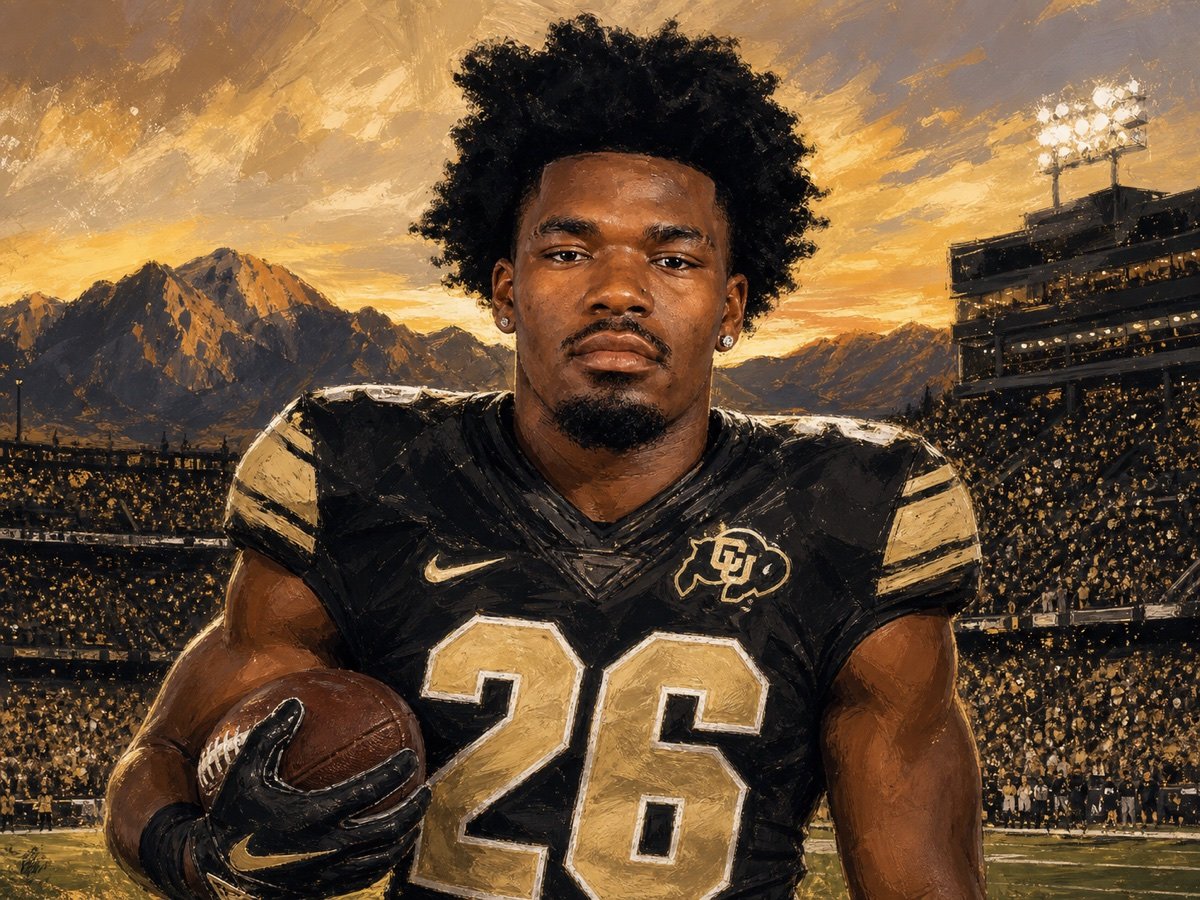
Damian Henderson II
12 carries | 65 yards | 5.4 per carry
Henderson led Colorado in rushing and gave the offense dependable early-down production.
All 65 of Henderson’s rushing yards were positive yardage, with no lost yards on his 12 attempts. He did not break a touchdown run, but his consistency helped Colorado stay on the field and build a 34:09 possession advantage.
 Offense
B+
Offense
B+
Micah Welch
13 carries | 58 yards | 1 touchdown
Welch handled the finishing work on Colorado’s first scoring drive and remained steady late.
Colorado gave Welch the ball four consecutive times after taking over at the Georgia Tech 35, and he finished the series with a 5-yard touchdown. His 4.5-yard average was productive without being explosive, which fits a strong B+ rather than an A-range grade.
 Defense
B
Defense
B
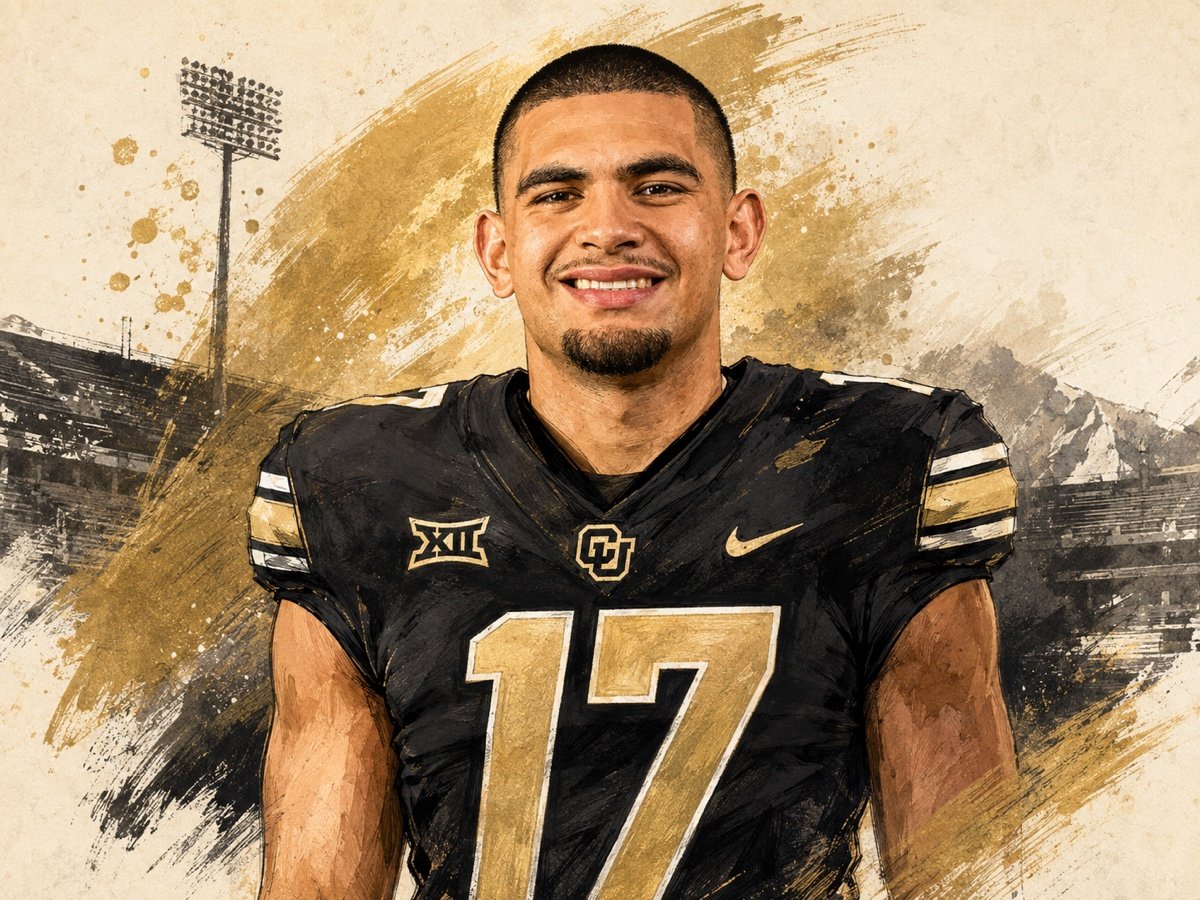
Liona Lefau
7 tackles | 5 assisted stops
Lefau was a steady interior presence in a run defense that allowed only 1.7 yards per carry.
Lefau finished tied for second on Colorado with seven tackles. He did not record a sack, takeaway or tackle for loss, so the grade reflects solid fit-and-finish work inside an excellent team result rather than an individual takeover.
 Offense
C+
Offense
C+
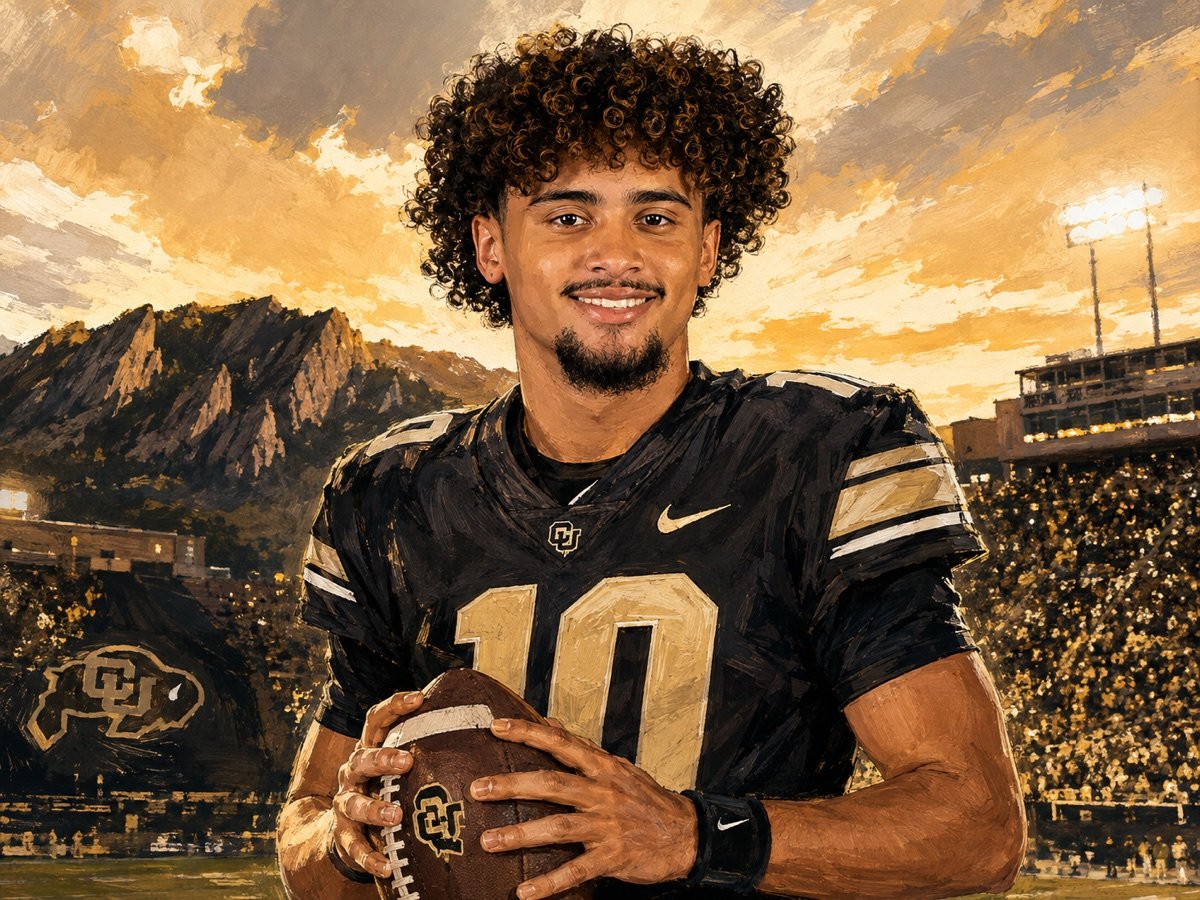
Julian Lewis
14 of 27 | 124 yards | 1 TD | 0 INT
The winning drive raised the grade, but it did not erase three quarters of limited passing production.
Lewis entered the final possession 10 of 21 for 64 yards. He then completed four of six attempts for 60 yards, including the 20-yard winner to Charlie Williams, and protected the football all night. The poise was real; the 4.6 yards per attempt across the full game keeps the overall grade mixed.
 Offense
C
Offense
C
DeAndre Moore Jr.
4 catches | 37 yards | 9 targets
Moore led the team in targets and receiving yards, but the volume did not stretch the defense.
Moore’s 15-yard catch was Colorado’s longest completion before the winning drive. Nine targets produced four receptions and 37 yards. Without route-level film, it would be unfair to assign every incompletion to the receiver, so this grade reflects the result of his opportunities rather than presumed blame.
 Offense
C
Offense
C
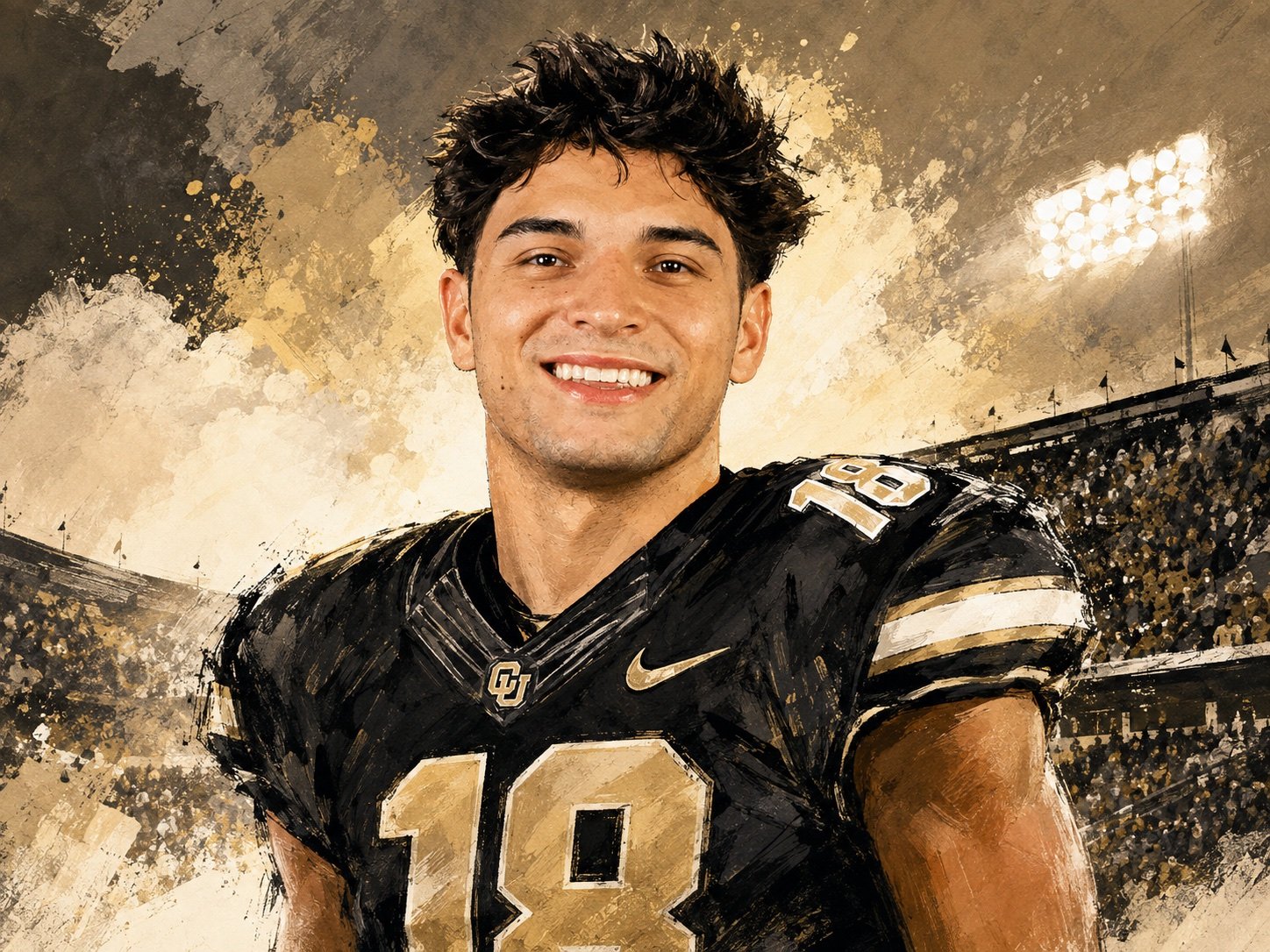
Danny Scudero
4 catches | 12 yards | 5 targets
Scudero caught four of five targets, but his touches stayed close to the line and created little value.
The official gamebook credits Scudero with four catches for 12 yards and 24 yards after the catch, indicating that much of his work began near or behind the line. The efficiency of his catches keeps the grade out of the D range, while the lack of useful yardage keeps it at C.
Beyond the eightWeek 1
On the radar
Both receptions came on the winning drive, including a third-and-11 conversion.
The third member of the backfield rotation helped Colorado sustain its longest possessions.
Two punts landed inside the 20, providing stable field position on a low-scoring night.
Colorado’s tackle leader delivered steady production behind the disruptive front.
Next reportWeek 2
Four checkpoints against Weber State
The next grade board will measure whether the Week 1 strengths hold and whether the narrowest weaknesses begin to move.
- 01
Does the passing game create efficient production before the final possession?
- 02
Do red-zone trips finish with points rather than empty drives?
- 03
Can kickoff coverage eliminate the explosive mistake?
- 04
Does the defensive front repeat its control of the running game?
Player illustrations: The Sporting Page / Editorial illustration.