
History · MLB
What Carlton Fisk’s 1975 Home Run Actually Won
Boston’s Game 6 winner forced one more night of baseball. Cincinnati still won the 1975 World Series.
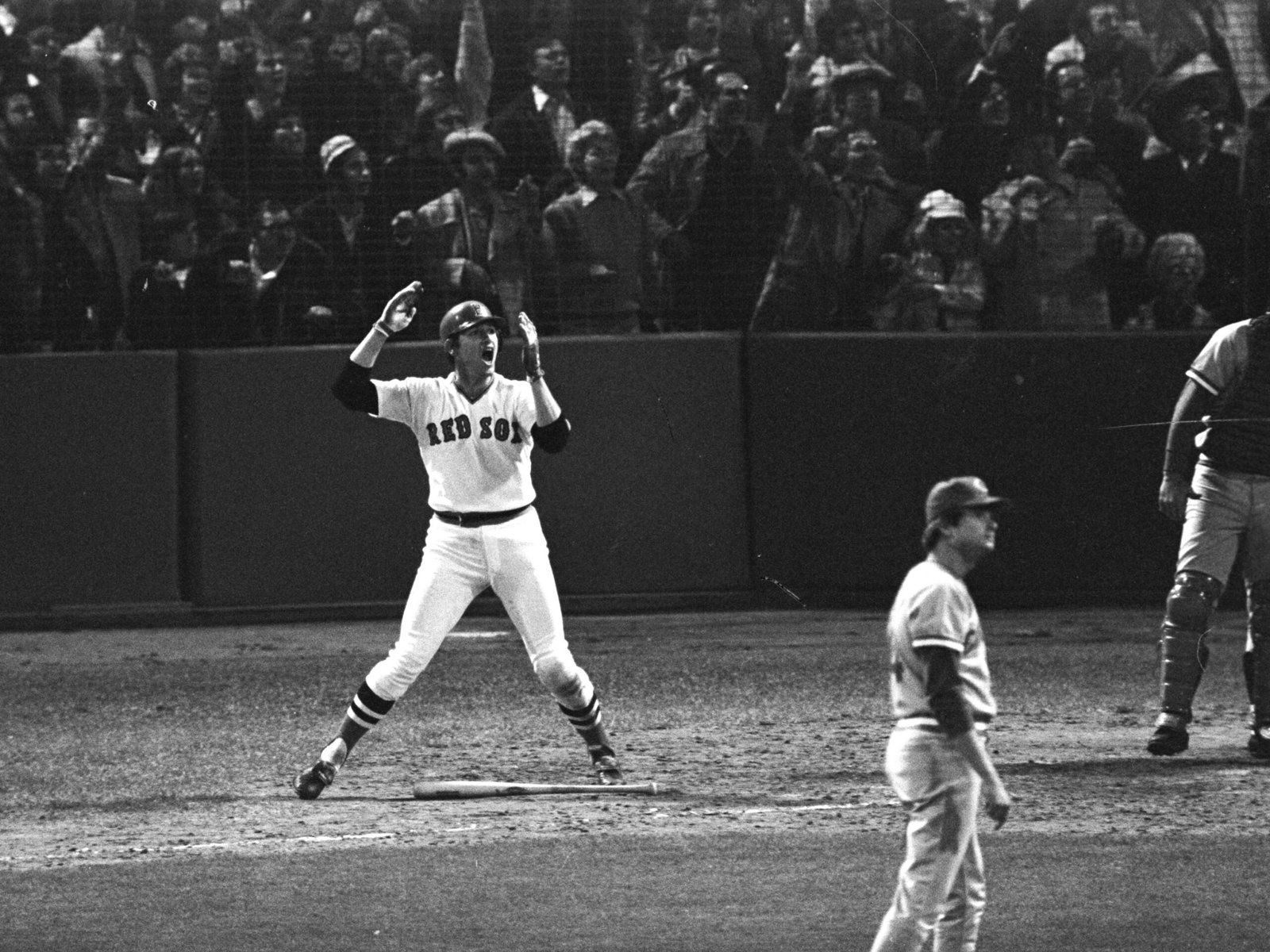
Carlton Fisk’s home run won Boston another night of baseball. With one swing in the 12th inning of the 1975 World Series’ sixth game, he ended a 7–6 Red Sox victory and forced a deciding Game 7. The championship still belonged to neither team.
That distinction matters when the October 21 anniversary brings the familiar image back: Fisk near the first-base line, waving his arms as the ball approaches Fenway Park’s left-field foul pole. It is an image of a team escaping elimination. Cincinnati won the World Series the following night.
What Boston Had to Save
The Reds arrived at Game 6 leading the Series three games to two. Rain had extended the wait in Boston, and the game that finally began on October 21 offered the Red Sox no room for another loss. Cincinnati could win the championship at Fenway; Boston had to win twice.
Fisk’s opportunity depended on other players keeping that possibility alive. With the Reds ahead 6–3 and two outs in the eighth, Bernie Carbo hit a pinch-hit, three-run homer to tie the score. Cincinnati had been four outs from the title. Carbo erased that lead without ending the game.
In the 11th, Dwight Evans caught Joe Morgan’s drive to right field and completed a double play. The distinction between a spectacular catch and an overlooked prelude is a product of what happened afterward. Without it, the Red Sox might never have reached Fisk’s at-bat with the score still level.
Fisk led off the bottom of the 12th against Pat Darcy. His home run struck the left-field foul pole, making it fair and producing the one run Boston needed. The result tied the Series at three wins apiece.
The Image and the Championship
There is a small calendar wrinkle within the anniversary. Game 6 is officially dated October 21, 1975, but it lasted past midnight. The winning swing came in the early hours of October 22. The game date and the local calendar date at its finish describe different points in the same event.
The televised reaction helped give the hit a life beyond the score. NBC director Harry Coyle described Fisk’s response as “the greatest individual replay we’ve had in World Series history,” according to the Hall of Fame. The arms and the anxious look made the uncertainty visible even after viewers already knew where the ball would land.
The remaining game supplied a different ending. On October 22, Morgan’s two-out single in the ninth drove in Ken Griffey for a 4–3 Cincinnati lead. Will McEnaney retired Boston in the bottom half, and the Reds had the title.
Fisk’s celebration remains a lasting part of the Series because its stakes were enormous even without a championship attached. Boston had survived. Cincinnati still had to earn the fourth win. Remembering both outcomes preserves what made the home run matter. For another October play whose meaning rests on a different result, Bobby Richardson’s 1962 catch preserved a championship-clinching win.
Sources and Notes
- Bill Francis, “Bat in the Night,” National Baseball Hall of Fame, for the home run, calendar timing and Coyle quotation.
- SABR’s Greatest Games selection, for the sequence of Carbo, Evans and Fisk.
- Craig Muder, “Morgan’s Hit Wins World Series for Reds,” National Baseball Hall of Fame, for the deciding game.
- Retrosheet’s Game 6 scoring record and the October 22, 1975 University Daily’s contemporary AP report, for the result and elimination stakes.