
MLB · Pitching Data
The Time Between Pitches: What Statcast’s Pitch Tempo Actually Measures
The release-to-release median uses selected pitches, and its clock differs from MLB’s timer. Two clearly labeled arithmetic examples show how to read it.
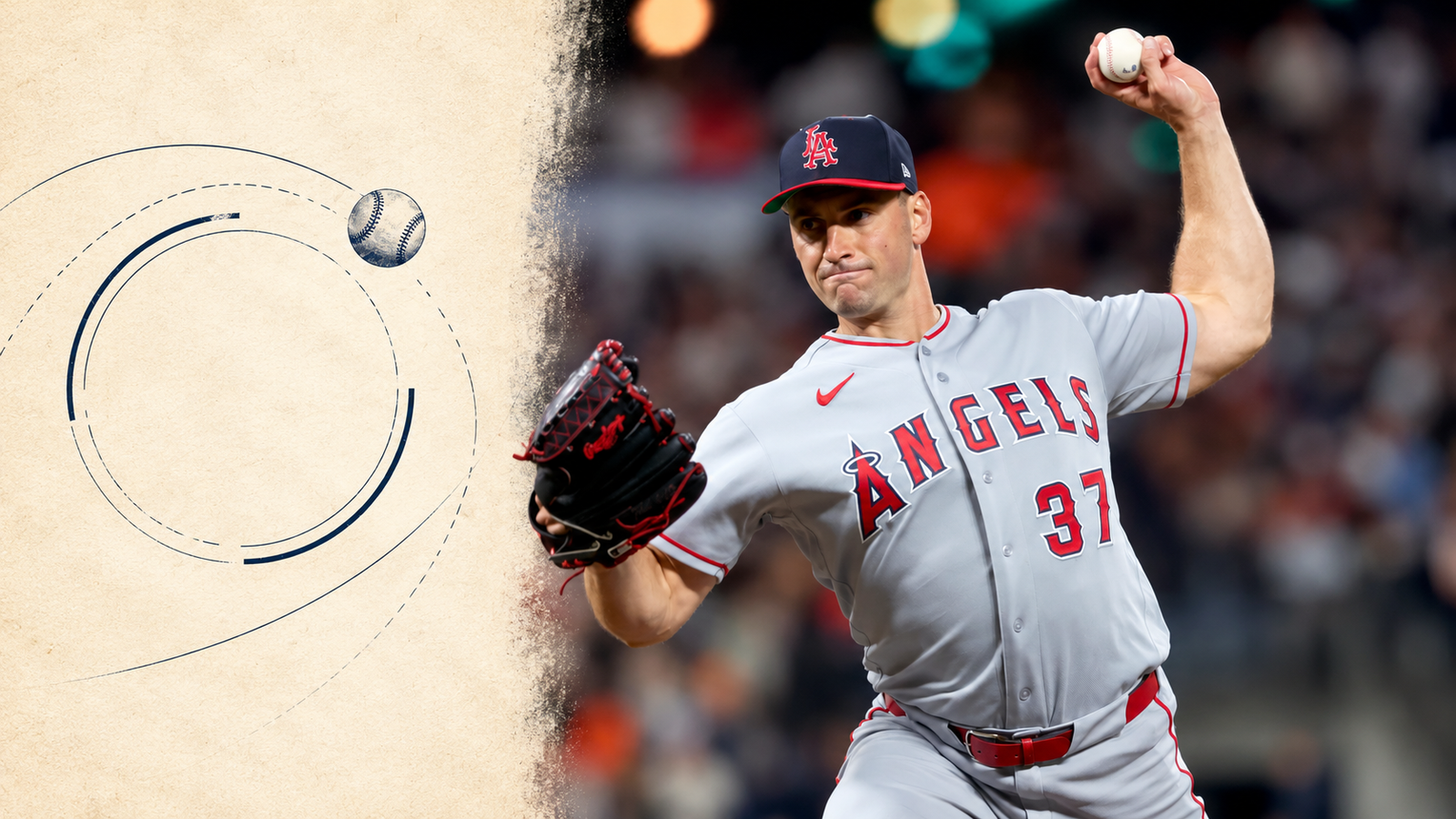
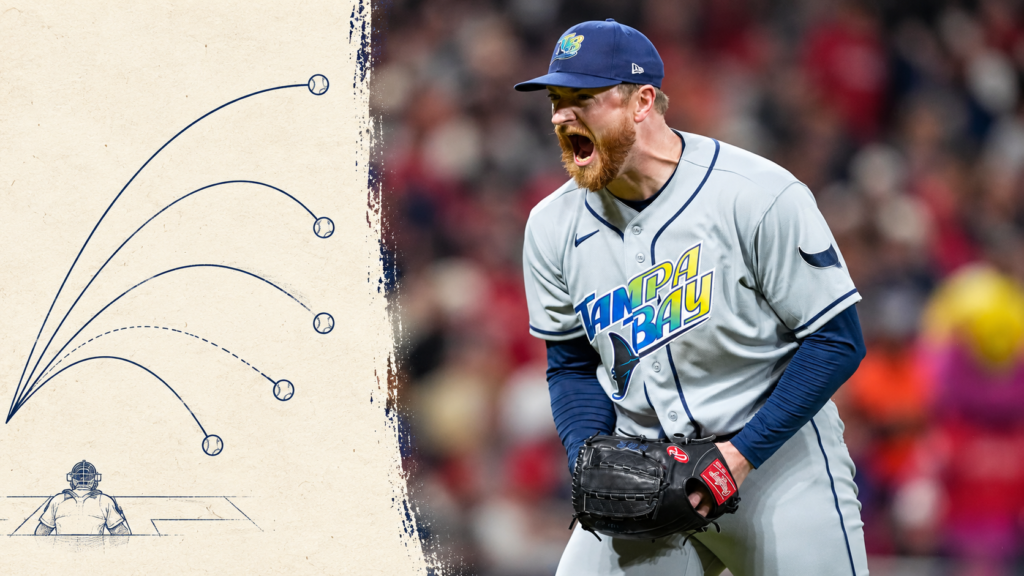
Statcast’s pitch tempo measures the median interval from one pitch release to the next. The on-field pitch timer starts later and stops earlier. A 20-second tempo therefore does not, by itself, document a pitch-clock violation.
What Goes Into Pitch Tempo?
The Baseball Savant leaderboard includes pitches following a called ball or called strike to the same batter. Bases-empty and runners-on samples appear separately.
A pitch after a foul, or the first pitch to the next hitter, falls outside that selection. Dividing total game time by pitches would answer a different question: it would include gaps this metric excludes.
Pitch Tempo and the Pitch Timer
| Measure | Start | Finish |
|---|---|---|
| Statcast pitch tempo | Previous pitch released | Next pitch released |
| MLB pitch timer | Pitcher receives return throw | Pitcher begins delivery |
MLB’s current rule allows 15 seconds empty, 18 with runners; pitchers must begin delivery before expiry or receive an automatic ball.
Savant allows roughly six seconds for delivery, flight and the return throw. Subtracting that allowance produces a timer equivalent, an estimate rather than a ruling on an individual delivery.
For a hypothetical example, 20 seconds minus six yields a 14-second timer equivalent. This is arithmetic illustrating the definition, rather than a measured outing. The estimated conversion cannot establish which pitch triggered a violation.
Why the Median Matters
The median is the middle observation after the eligible intervals are sorted. Consider five hypothetical intervals: 18, 19, 20, 21 and 40 seconds. The median is 20 seconds; the arithmetic mean is 23.6 seconds. One long interval affects the mean much more than it affects the middle observation.
A published median consequently cannot reveal every pause. Two pitchers can share the same median while having different shortest and longest intervals. The middle value also says nothing about whether the longest interval came early or late in the outing.
How to Read the Leaderboard
Choose the same season, competition, qualifying-pitch threshold and base-state column. Savant updates the metric weekly, so the displayed sample can lag a newly completed start.
A postseason game should not silently enter a regular-season comparison. If a pitcher’s median changes, establish which appearances are included before describing a change in pace. A smaller sample or different base-state mix can make the comparison answer a different question.
The MLB pitch-tempo glossary gives the definition. Neither a fast median nor a slow one establishes fatigue, confidence or an intention to disrupt a hitter; those explanations require evidence beyond the timing statistic.