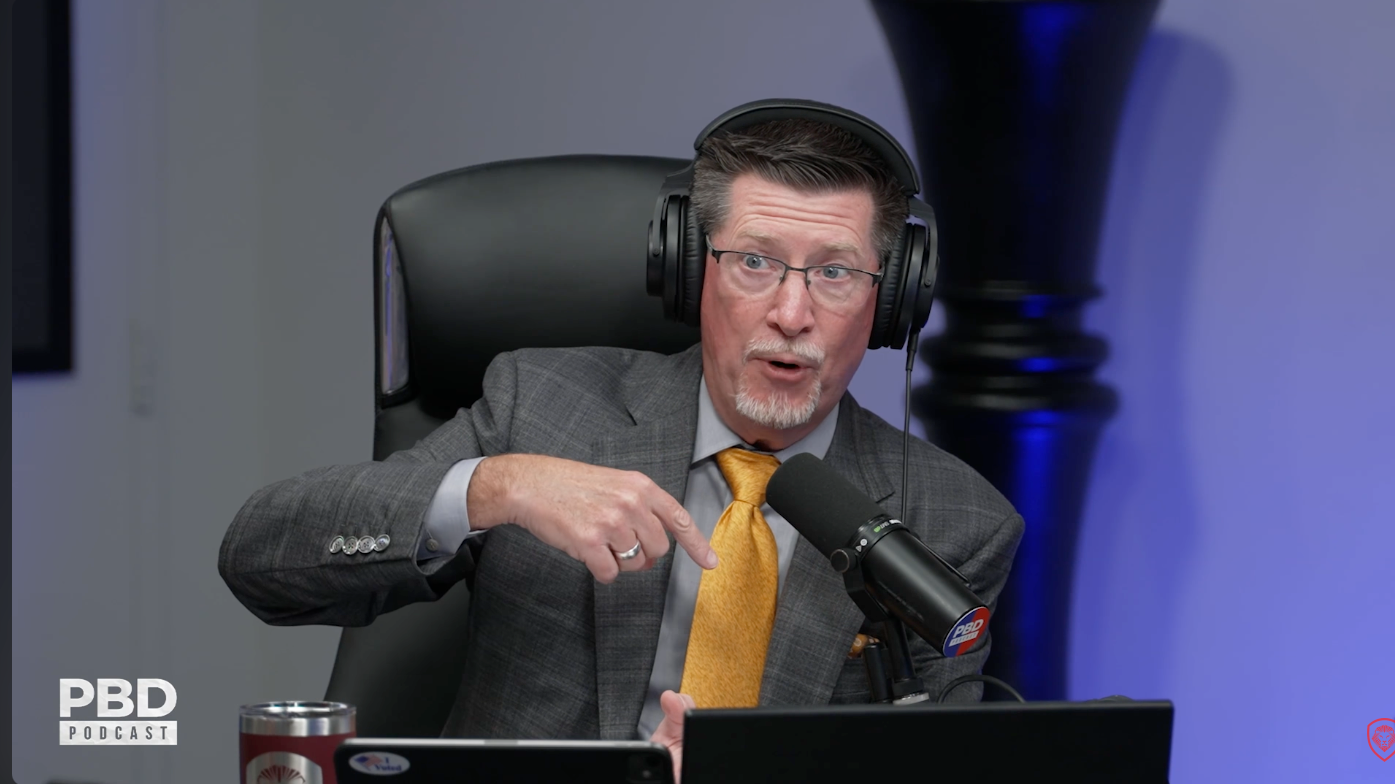
“You need to reearn everyone’s business over and over and over again. And Nike screwed up. They thought they’re going to have the customers forever,” Patrick Bet-David said while criticizing Nike’s approach to customer loyalty.
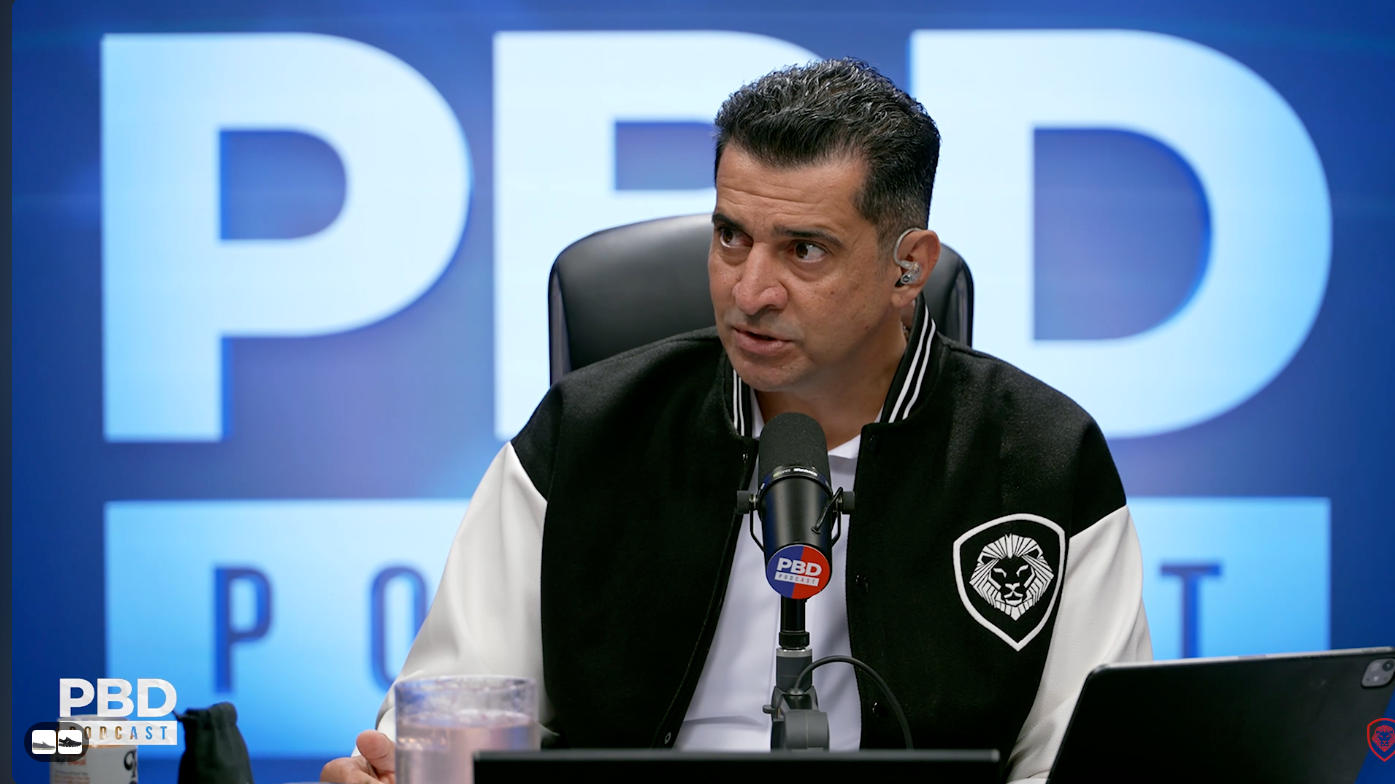
In a PBD Podcast clip published by Valuetainment on October 5, Bet-David and Tom Ellsworth questioned Nike’s retail strategy and product development following Kylian Mbappé’s move from Nike to On.
Bet-David contrasted Nike’s market value at the end of 2021 with its current valuation. CompaniesMarketCap’s data lists approximately $263.6 billion at the end of 2021 and $50.4 billion in October 2026. Market capitalization measures the value of outstanding shares; revenue measures sales over a reporting period.
The retail strategy Ellsworth questioned
Asked what had happened to Nike, Ellsworth described declining mall traffic as the logic behind a move toward direct sales. He presented an imagined boardroom discussion about how heavily Nike should depend on retailers such as Foot Locker.
“Well, they had some strategic decisions to make therefore about distribution, but they fumbled it,” Ellsworth said.
“I don’t think they looked at data hard enough. I think they’re more emotional about it based what I’ve seen,” he said.
What Nike’s figures show
Nike’s October 1 earnings release covers the quarter ended August 31, 2026, its fiscal 2027 first quarter.
| Revenue measure | Q1 FY2027 | Reported change |
|---|---|---|
| Nike, Inc. | $11.2 billion | Down 4% |
| Greater China | $1.18 billion | Down 22% |
| Nike Direct | $4.1 billion | Down 8% |
| Nike Brand wholesale | $6.8 billion | Down 1% |
Greater China revenue fell 26% excluding currency changes. Nike Direct includes the company’s own stores and digital business. Its quarterly filing reports a 13% currency-neutral decline in Nike Brand Digital sales.
The $46.4 billion revenue figure cited in the podcast belongs to fiscal 2026, which ended May 31. Annual revenue was flat as reported and down 2% excluding currency changes. Nike Brand wholesale revenue rose 6% to $27.5 billion, while Nike Direct fell 6% to $17.7 billion.
On’s product-development approach
Ellsworth also questioned Nike’s reliance on established footwear lines while competitors developed alternatives.
“What happens is Nike kind of has missed some of the innovation and stuff that was coming and they’ve been relying on Air Jordan, which isn’t a bad thing to rely on, by the way. It’s done well.”
He cited the early On prototype made with pieces of garden hose. In a 2022 interview with Inc.’s Bryan Elliott, On co-founder Olivier Bernhard described attaching hose pieces to a running shoe and taking his idea to Nike. The account says Nike declined it; Bernhard also acknowledged how crude the prototype looked.
On’s September 18 announcement says Thierry Henry had worked on its football entry since late 2025 and would become director of football. Mbappé will be a global ambassador and work directly with product teams on development and testing of football footwear and apparel.
Bet-David praised Henry’s involvement as a recruitment strategy.
“So, it’s a very good strategic move that they made. So, hey, if we want Mbappé, who do we get first? Sequencing.”
On says it is adapting LightSpray, its robotic process introduced in 2024 that creates a shoe upper from a continuous sprayed filament, for football.
“From the beginning, what drew me to On was the opportunity to build something entirely new together that will help shape tomorrow’s game,” Mbappé said in On’s announcement.
Brand loyalty and Nike’s turnaround plans
Ellsworth also criticized Nike’s political brand positioning, invoking Michael Jordan’s remark about Republicans buying sneakers. Bet-David argued that taking positions could permanently cost a brand customers.
“They got into the opinion business. Once they got into the opinion business, you permanently lose some of those people,” Bet-David said.
The political explanation was the panel’s assessment; Nike’s earnings release reports performance by geography and channel without assigning a revenue loss to the campaigns discussed.
Nike says its sports-focused strategy is making progress in performance products. Its new Pace operating program targets approximately $2.5 billion in cumulative savings through fiscal 2031, with approximately $1 billion in pre-tax charges. Those are company estimates, with savings stated before the charges and future reinvestment.
“We have more work to do in NIKE Sportswear, Jordan Brand and Greater China,” Nike chief executive Elliott Hill said in the October 1 release.