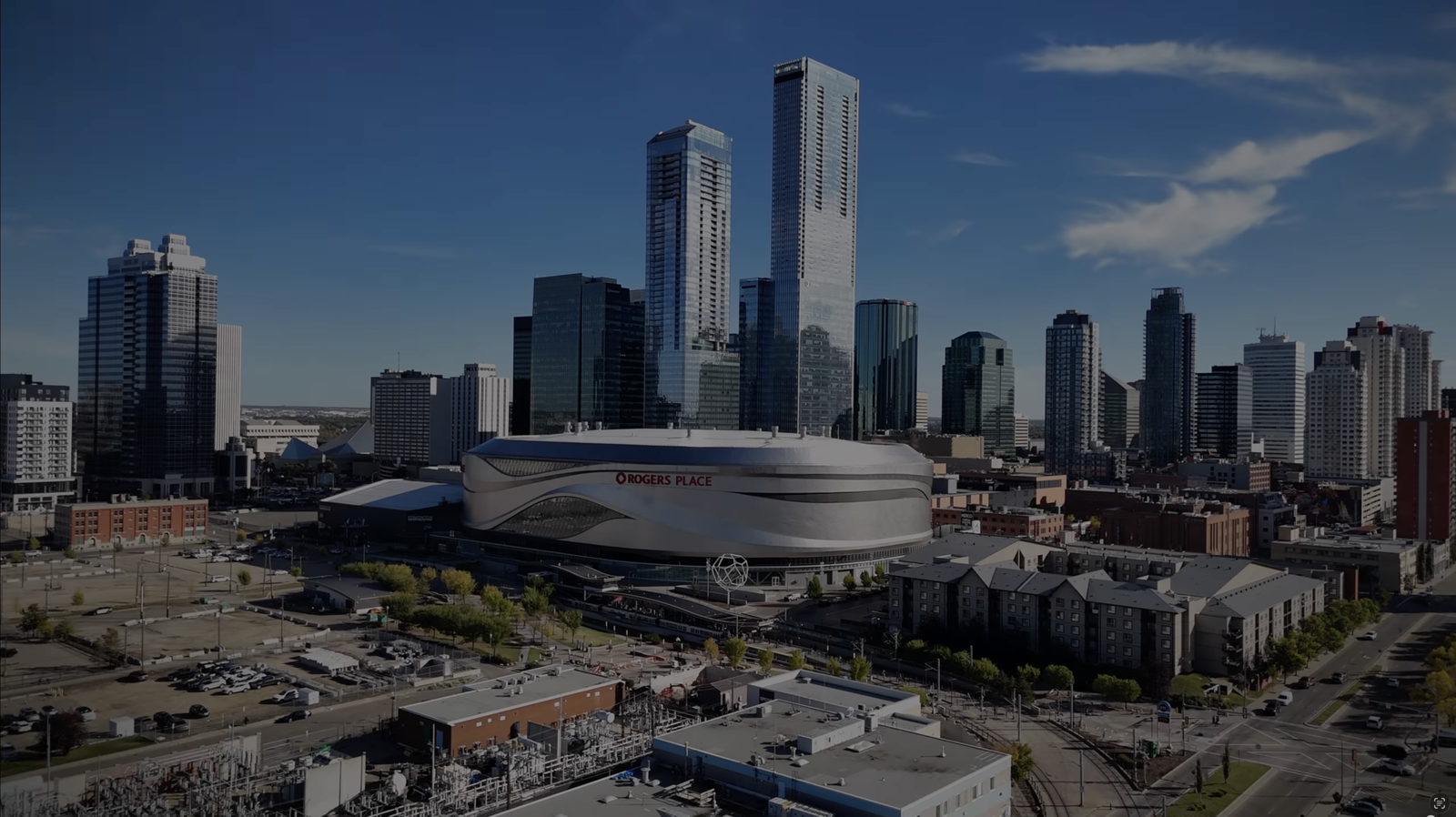
“I think the reasons I voted against the deal in 2013 are the reasons I would still be opposed to it today. That the agreement unfairly advantaged one party and left the other party, obviously the city, holding a lot of the liabilities,” former Edmonton councillor Linda Sloan McCulloch said.
Rogers Place’s 10th anniversary brought the arena’s financing and its effect on downtown businesses back into discussion in an October 1 CBC News Alberta report by Brennan Klak. The edited report includes interviews with Sloan McCulloch, former mayor Stephen Mandel, restaurant operators and Oilers Entertainment Group, alongside archival footage of the negotiations and construction.
Mandel, Edmonton’s mayor from 2004 to 2013, defended the decision to put the Oilers’ new home downtown.
“I felt that Edmonton desperately needed something for its downtown. Look at it downtown. Can you imagine Edmonton downtown without the arena?” he said.
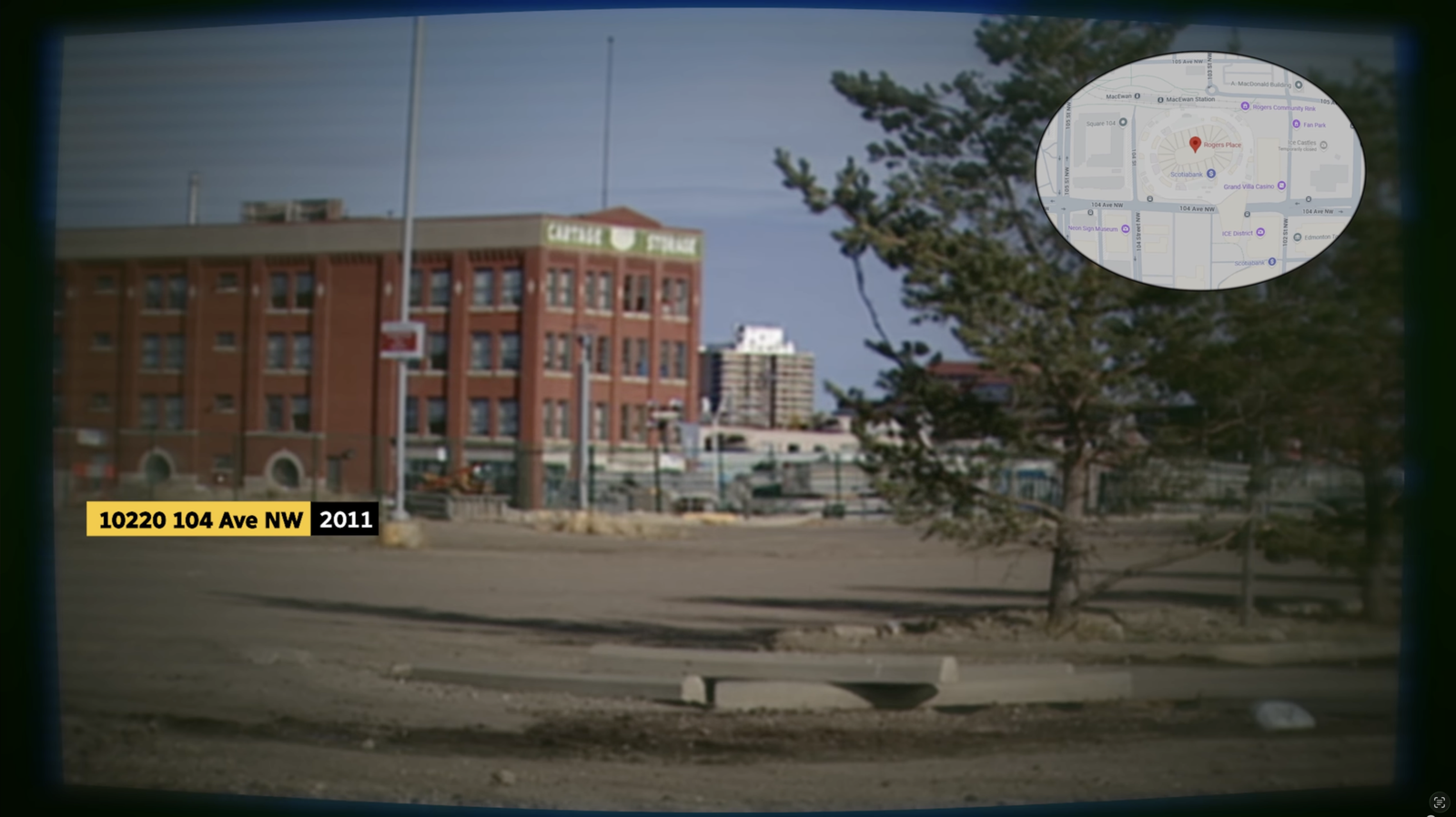
What the arena agreement funded
The City’s financial framework puts the arena itself at C$483.5 million. The C$613.7 million total project also included Ford Hall, the community rink, an LRT connection, a pedestrian corridor and land.
For the arena building, the framework assigns C$226 million to City funding, C$132.5 million to Katz Group funding and C$125 million to ticket surcharges. Most of the Katz contribution was structured as rent covering City borrowing costs over 35 years, with C$19.7 million in cash.
The City owns the arena and its land. Edmonton Arena Corporation operates the building, receives its operating revenue and pays operating and maintenance expenses.
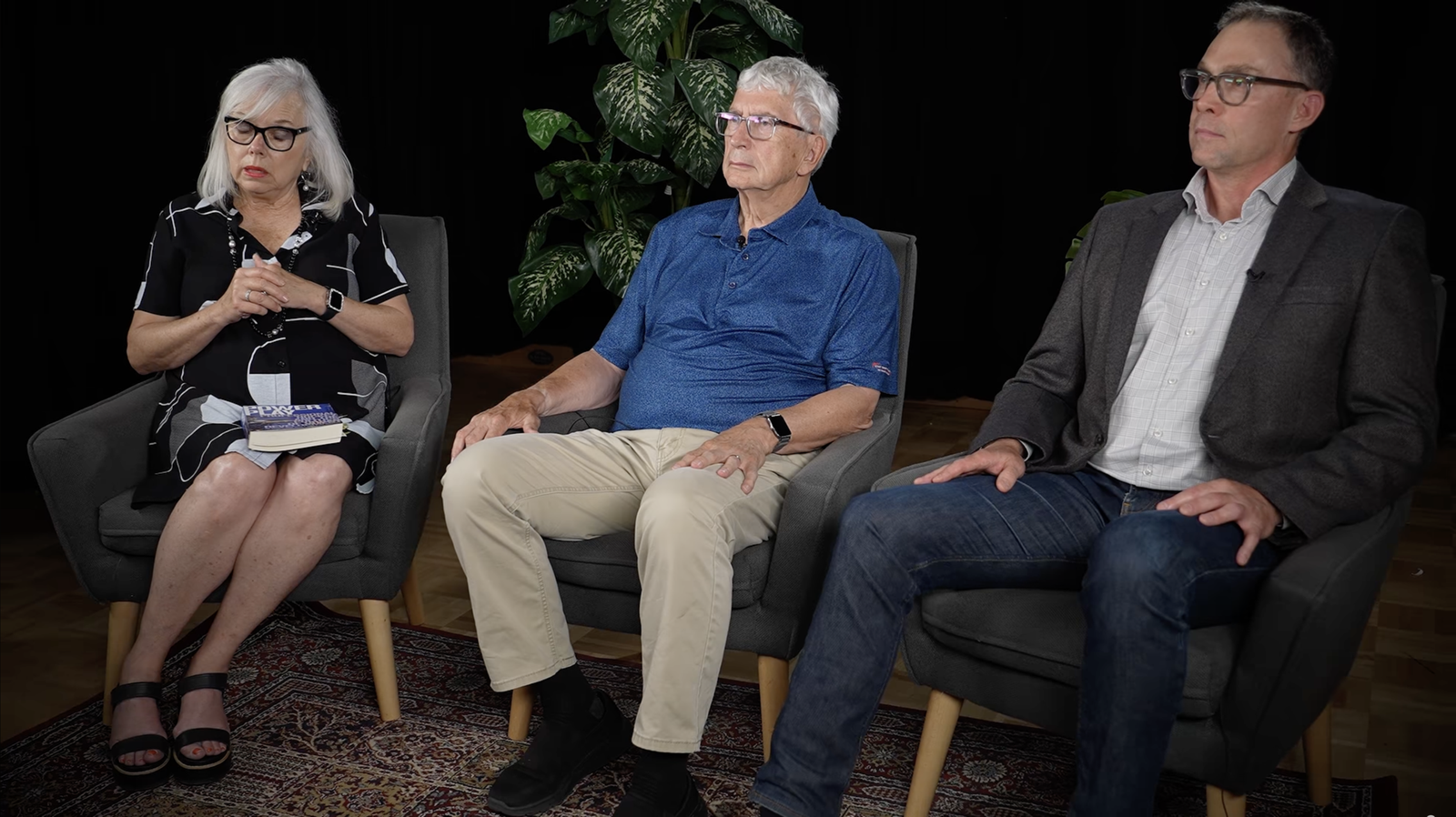
Sloan McCulloch voted against the 2013 agreement and later co-wrote Power Play: Professional Hockey and the Politics of Urban Development with Jay Scherer and David Mills. In CBC’s interview, she suggested the City could seek to reopen the agreement in light of its current pressures.
Mandel defended the terms available when the deal was negotiated.
“That time and place, I think we got as good a deal as we could get,” he said.
How game nights change restaurant business
Christian Mena, co-owner of Sabor, described the first two years after the arena opened.
“The first two years were crazy. It was just madness,” he said.
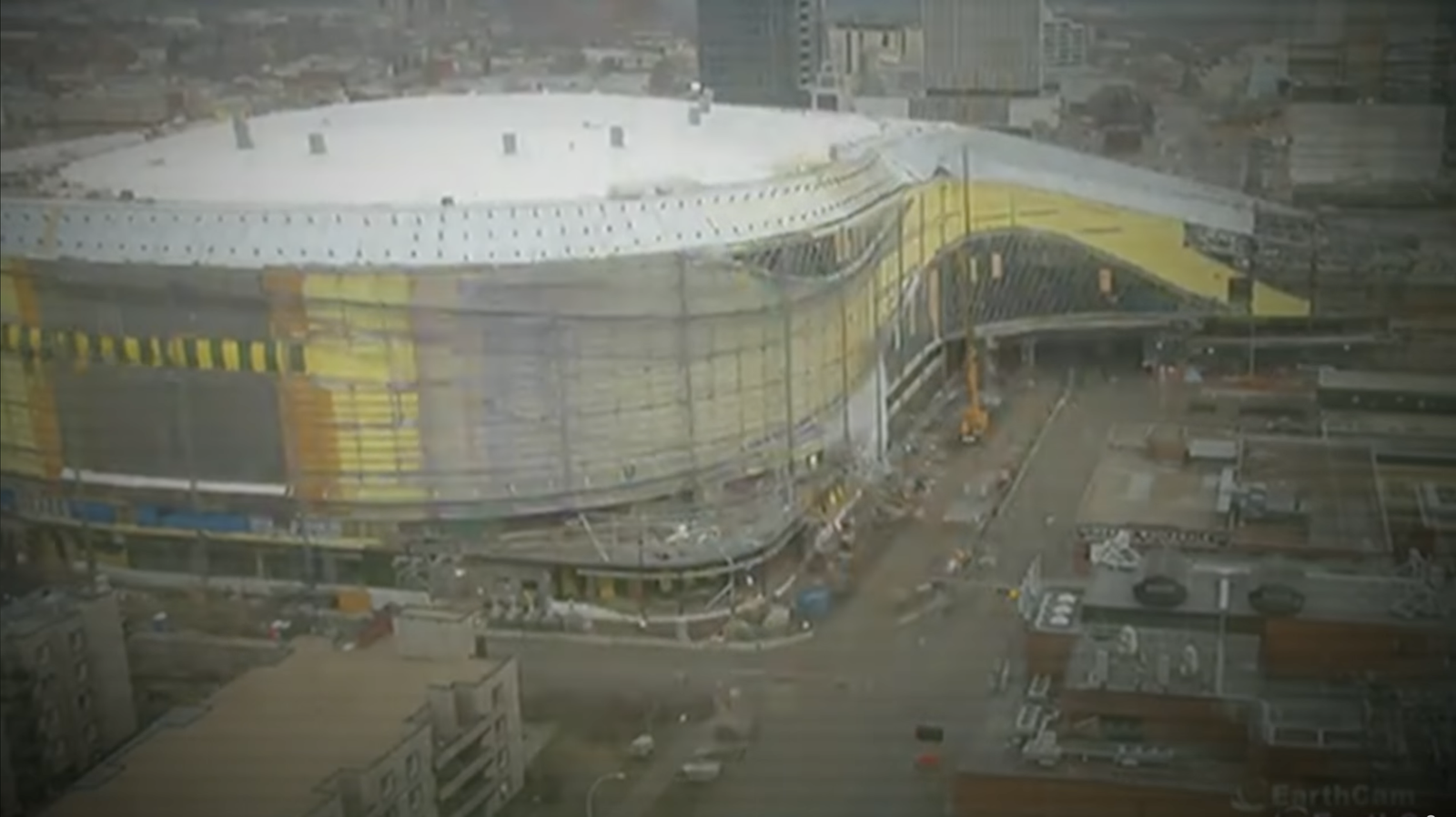
The restaurant, which opened in 2008, adjusted its service around diners heading to hockey games and concerts. CBC’s report describes that change in dining patterns before turning to the pandemic interruption and downtown’s subsequent recovery.
ATB’s June 2025 account of Moneris and Edmonton Chamber of Commerce data records restaurant spending on April 27, 2025, when Edmonton hosted Los Angeles in the playoffs, rising 89% near the arena and 24% citywide compared with non-game days.
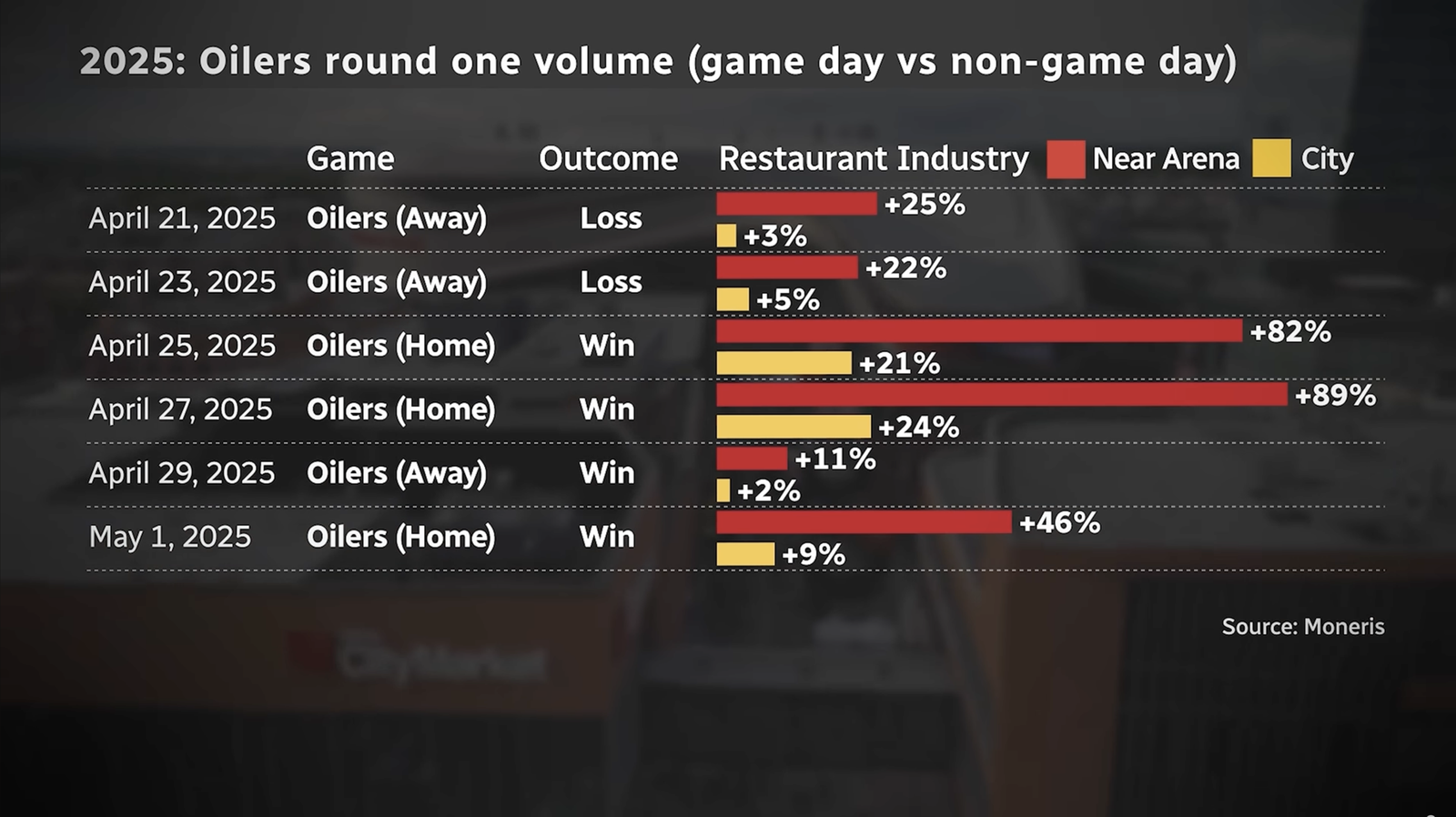
The graphic shows the larger increases during Edmonton’s home games: 82% near the arena and 21% citywide on April 25, 89% and 24% on April 27, and 46% and 9% on May 1. These are game-day spending comparisons. ATB notes that spending by local residents can shift from other purchases, so the figures do not measure entirely new money entering Edmonton’s economy.
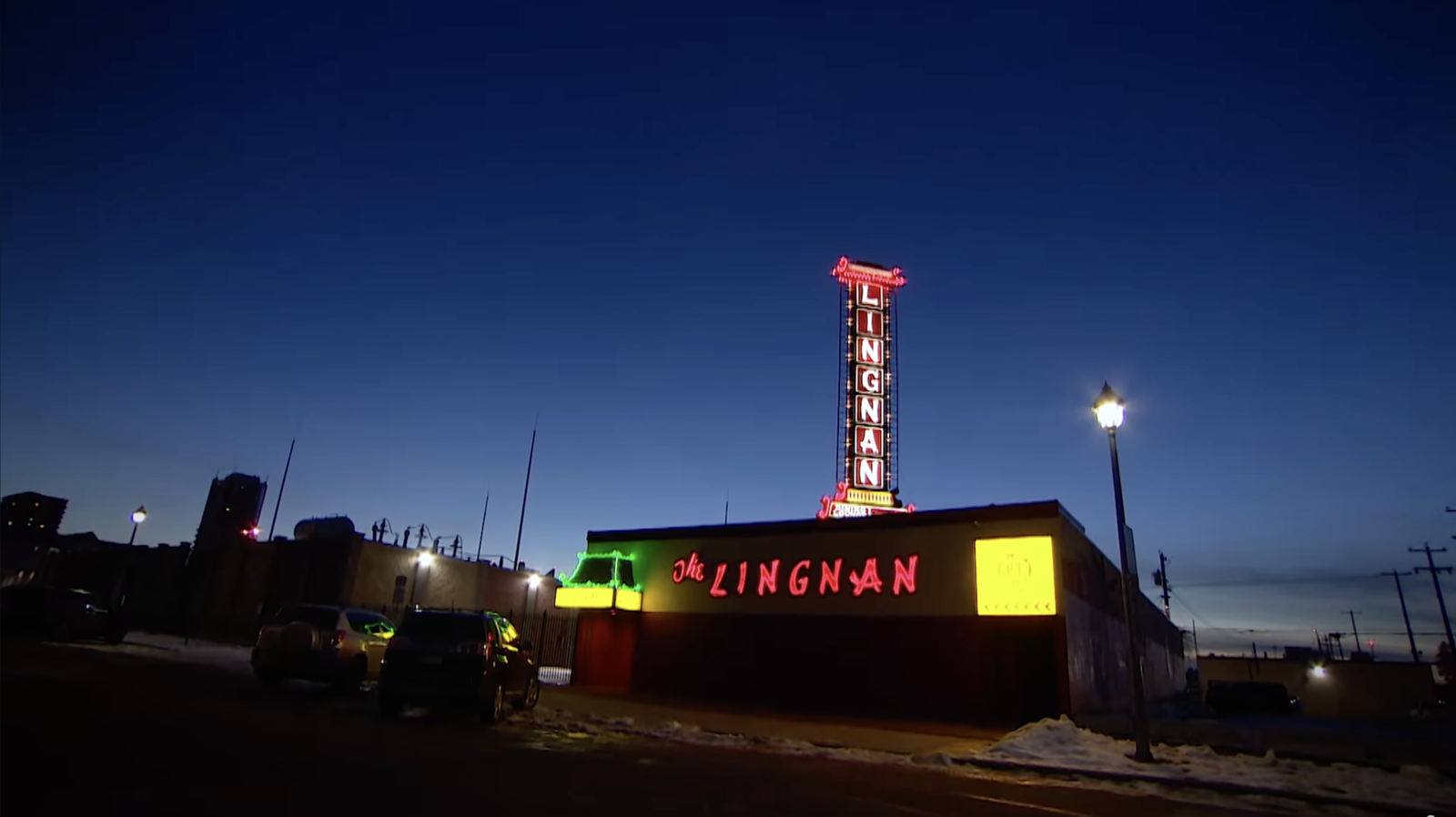
At the Lingnan, north of the arena, co-owner Miles Quon said some customers had yet to explore the surrounding businesses.
“I feel a little bit neglected sometimes,” Quon said, referring to customers going to Rogers Place.
“There’s lots of restaurants and small businesses here,” he said. “I wish they could explore past that.”
OEG’s response and the next development agreement
CBC asked Stew MacDonald, president and chief revenue officer of OEG Sports & Entertainment, about criticism that the group owns or operates too much of the area around the arena.
“I’m like, thank goodness someone stepped up and said, ‘I’m willing to partner with the city and put a lot of money on the table to make a commitment to growing downtown,’” MacDonald said.
When asked whether the arena agreement was fair to the City, MacDonald argued that the facility had been paid for by development that followed its construction.
“That’s been paid for fully by new development that’s come along after the arena was built that most people would argue probably wouldn’t be taking place given the state of downtown the previous 10 or 20 years,” he said.
The City’s 2025 annual report describes the downtown community revitalization levy as a continuing financing program, with a C$20.9 million reserve deficit at year-end and a projected surplus by the end of its extended term in 2044. That reserve covers downtown projects beyond the arena. Levy revenue comes from property-tax growth above a baseline and supports projects and debt servicing.
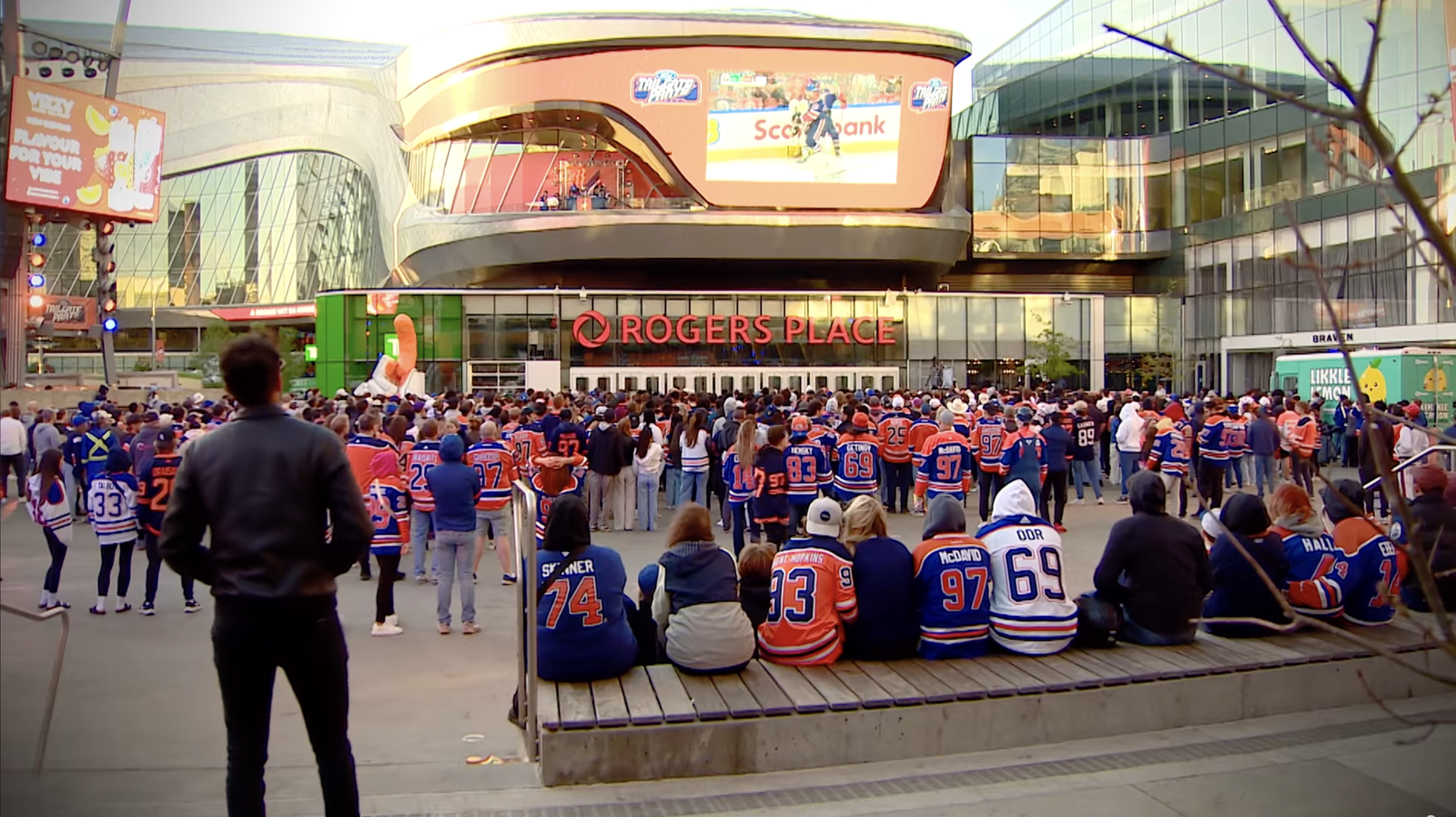
The City’s next agreement with OEG and Alberta covers C$408.2 million across an event park, public infrastructure enabling a 2,500-unit Village at ICE District community, and Coliseum demolition and Exhibition Lands work. The City says its ICE District funding will come from the downtown levy. The housing figure describes the community the infrastructure would enable.
Sloan McCulloch said the new public contribution repeated concerns she had raised about the original agreement.
“I think it was flawed at the beginning and it’s still as flawed, if not more so today,” she said.
MacDonald described the proposed development’s purpose in terms of visits and residents.
“It’s another reason to visit downtown Edmonton to drive traffic downtown, support the businesses that are downtown, hopefully encourage more people to live downtown or in the downtown area,” he said.