Julius Erving's Leadership Was Structural, Not Disruptive
Kevin Loughery explains why Julius Erving was easier to coach than Michael Jordan, highlighting Dr. J’s cooperative leadership in the ABA and NBA.
2/27/2026
Kevin Loughery’s February 2026 appearance on Mad Dog Unleashed offered a layered evaluation of Julius Erving that extended beyond production.¹ “Doc was easier to coach than Michael Jordan, and I love Michael, I love both of them,” Loughery said.¹ The distinction was not about talent. It was about temperament.
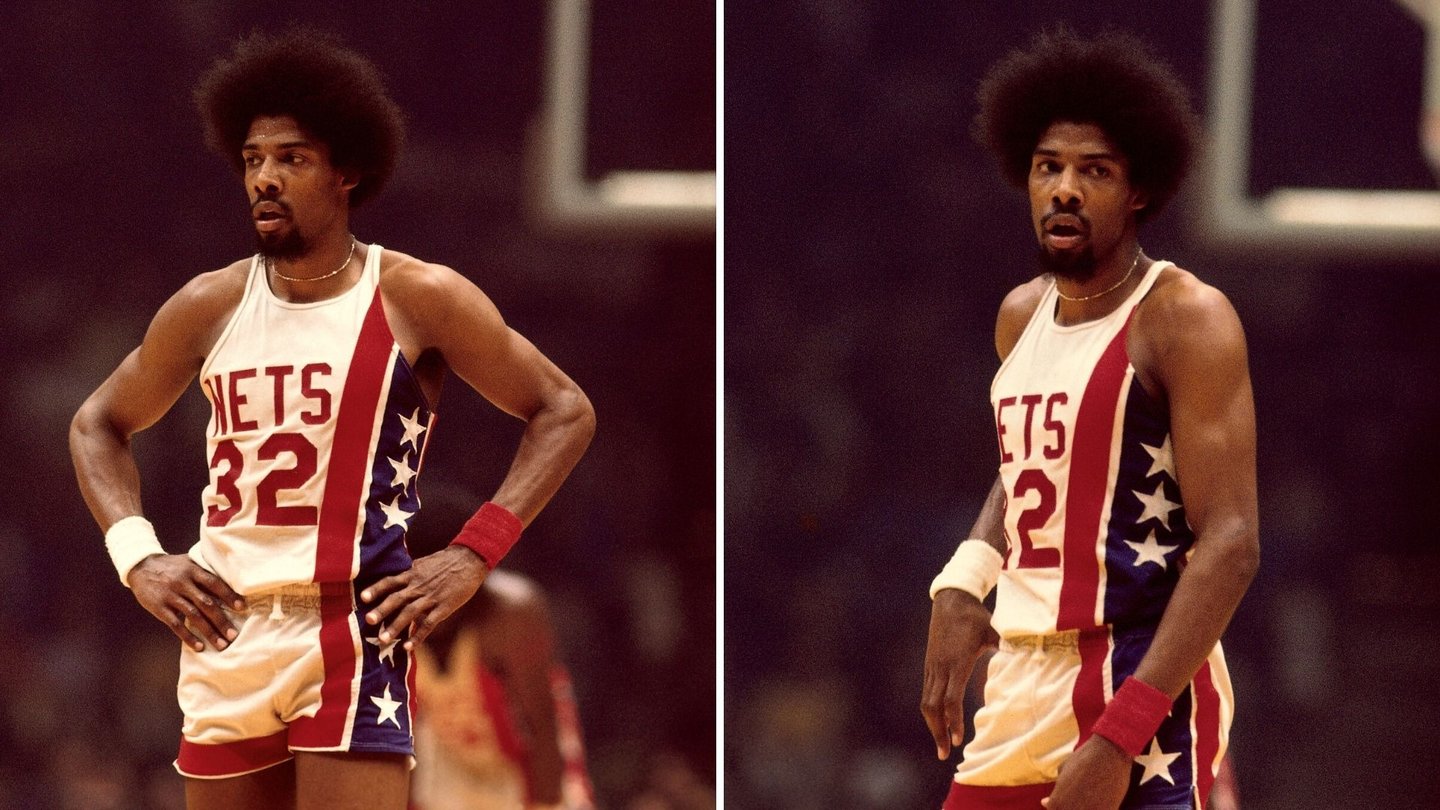
Loughery coached Erving with the New York Nets from 1973 through 1976, a period that produced two ABA championships.² “The most enjoyable three years I had in basketball was coaching Dr. J,” he said.¹ That enjoyment reflected more than winning. It reflected alignment.
In 1975–76, Erving averaged 29.3 points per game, ranked second in the ABA in scoring, and led the Nets to a 55–29 record before defeating the Denver Nuggets in the ABA Finals.² He was named ABA Most Valuable Player in both 1974 and 1976.³ The Nets ranked first in offensive rating and fourth in defensive rating that final ABA season.⁴ The system was elite. Erving thrived within it.
Loughery described a coaching dynamic built on deliberate accountability. “I get to practice the next day after we get beat again, I said, ‘Doc, I am gonna get on your ass in practice today. I have to do it. Guys are starting to get complacent…’ because I know if I get on his back, everyone will pop up. You couldn’t do that with Michael Jordan. That’s the way Doc blended in.”¹
The strategy was intentional. Publicly challenging the team’s star reinforced standards across the roster. Erving accepted it. His willingness to be corrected in front of teammates was not weakness; it was structural leadership. He understood that visible accountability at the top stabilized the rest of the hierarchy.
Loughery later added, “I don’t think we saw the real Dr. J in the NBA as much as we did in the ABA.”¹ The remark speaks to context. The ABA of the mid-1970s operated at a faster pace and encouraged greater offensive freedom than the NBA.⁵ Erving’s improvisational style flourished in that environment.
When Erving joined the Philadelphia 76ers in 1976–77 under head coach Gene Shue, the structure changed.⁶ The 76ers finished 50–32 and reached the NBA Finals in Erving’s first season.⁶ His scoring average declined from his ABA peak to 21.6 points per game, though his efficiency and impact remained strong.⁷ The NBA game was more deliberate. Fewer possessions reduced transition opportunities.⁵
Erving adapted without destabilizing the system. His leadership emphasized cohesion over assertion. In Loughery’s accounting, that cooperative discipline made him uniquely coachable while preserving championship performance.
Sources
1. Kevin Loughery interview, Mad Dog Unleashed, SiriusXM, February 2026.
2. New York Nets season records, 1973–74 through 1975–76, Basketball-Reference.com.
3. ABA Most Valuable Player Award listings, Basketball-Reference.com.
4. 1975–76 ABA team advanced statistics, Basketball-Reference.com.
5. League pace statistics, ABA vs. NBA mid-1970s, Basketball-Reference.com.
6. 1976–77 Philadelphia 76ers season page, Basketball-Reference.com.
7. Julius Erving 1976–77 NBA statistics, Basketball-Reference.com.
JULIUS ERVING’S LEADERSHIP WAS STRUCTURAL, NOT DISRUPTIVE